






























minor
01
사소한, 중요하지 않은
having little importance, effect, or seriousness
문법 정보
형태적 구성
단순어
성질형
최상급
most minor
비교급
more minor
등급화 가능
분야
importance, severity, significance
예시들
The issue was minor compared to the other challenges they faced.
문제는 그들이 직면한 다른 도전에 비해 사소한 것이었다.
02
단조의, 단조의
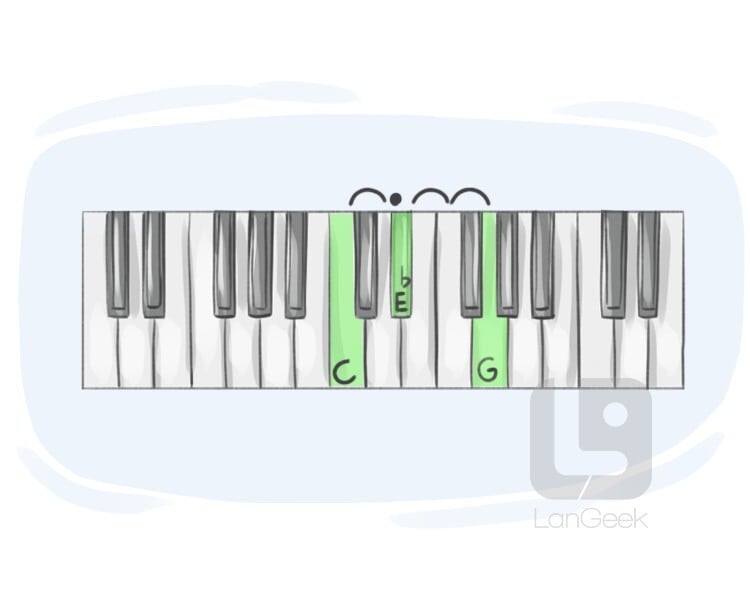
based on a scale in which the interval between the second and the third notes, the fifth and the sixth notes and the seventh and eighth notes is a half step
예시들
The piece was written in a minor key, giving it a melancholic tone.
이 곡은 단조로 쓰여져, 멜랑콜릭한 톤을 주고 있다.
03
작은, 중요하지 않은
smaller or less significant in degree or amount
예시들
The report highlighted several minor issues that needed attention but did not affect the overall outcome.
보고서는 전체 결과에는 영향을 미치지 않았지만 주의가 필요한 몇 가지 사소한 문제를 강조했다.
04
미성년자
(of a person) under the legal age of adulthood, typically under 18 or 21 depending on jurisdiction
예시들
The party was only open to minor guests, so no one over the age of 18 was allowed.
파티는 미성년자 손님에게만 개방되었기 때문에 18세 이상은 허용되지 않았습니다.
05
부전공, 보조의
indicating a secondary area of study in education, especially at the undergraduate level
예시들
He completed a minor course in philosophy alongside his major in computer science.
그는 컴퓨터 과학 전공과 함께 철학 부전공 과정을 완료했습니다.
06
사소한, 경미한
not serious or life-threatening
예시들
The patient only suffered a minor sprain and could walk with some rest.
환자는 경미한 염좌만 입었고 약간의 휴식 후 걸을 수 있었습니다.
07
어린, 주니어
indicating a younger person or the younger of two people with the same name
예시들
John Minor was often referred to as "Junior" to distinguish him from his father.
존 마이너는 그의 아버지와 구별하기 위해 종종 "주니어"라고 불렸다.
08
작은, 부차적인
referring to the term that serves as the subject in the second premise of a syllogism and is also included in the conclusion
예시들
In the syllogism "All humans are mortal; Socrates is a human; therefore, Socrates is mortal," "Socrates" is the minor term.
삼단논법 "모든 인간은 죽을 운명이다; 소크라테스는 인간이다; 그러므로 소크라테스는 죽을 운명이다"에서 "소크라테스"는 소항입니다.
Minor

문법 정보
유생성 상태
인간
형태적 구성
합성어
가산
singular
not gender specific
복수형
minors
예시들
The concert required all minors to be accompanied by an adult.
콘서트에서는 모든 미성년자가 성인과 동행해야 했습니다.
02
부전공, 마이너
the secondary subject or course that a student studies at a university or college
예시들
She chose to pursue a minor in Spanish to enhance her language skills.
그녀는 언어 능력을 향상시키기 위해 스페인어 부전공을 선택했습니다.
03
부전공, 보조 전공
a student pursuing a secondary area of academic focus, usually requiring fewer courses than a major
예시들
She worked hard to balance her responsibilities as an English minor while excelling in her primary studies.
그녀는 주 전공에서 뛰어난 성적을 내면서 영어 부전공으로서의 책임을 균형 있게 수행하기 위해 열심히 노력했습니다.
04
단조, 단음계
a musical interval, scale, key, or mode that typically sounds darker or more somber
예시들
The piece was composed in minor, creating a melancholic atmosphere.
이 곡은 단조로 작곡되어, 멜랑콜릭한 분위기를 조성했습니다.
to minor
01
부전공하다, 선택 과목을 듣다
to study a secondary subject or field in addition to the primary course of study at a school or university
문법 정보
형태적 구성
파생어
동작 동사
규칙
현재 시제
minor
3인칭 단수
minors
현재분사
minoring
단순 과거
minored
과거분사
minored
예시들
She decided to minor in economics while majoring in business.
그녀는 경영학을 전공하면서 경제학을 부전공하기로 결정했습니다.


