






























to discharge
01
解放する, 釈放する
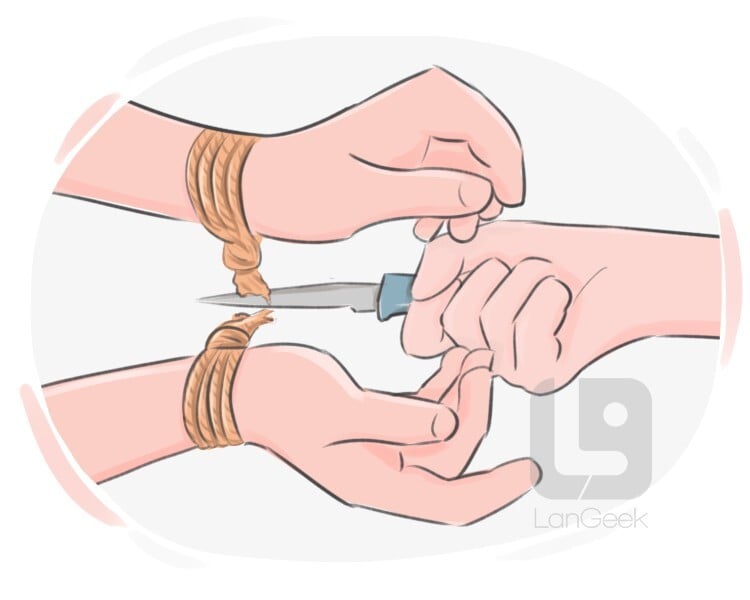
to free or release someone from legal or official confinement
Transitive: to discharge sb
例
The judge decided to discharge the defendant due to insufficient evidence, clearing them of all charges.
裁判官は証拠不十分のため被告を釈放することを決め、すべての容疑から解放した。
02
発射する, 放電する
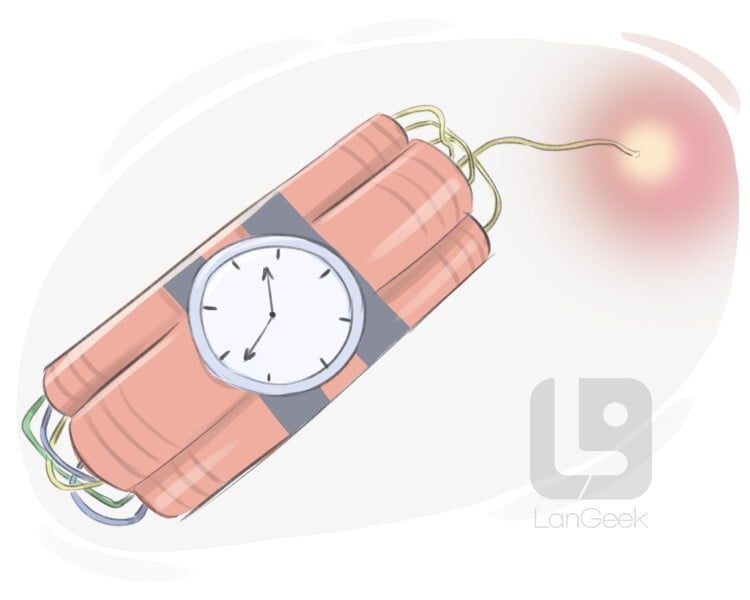
(of a firearm) to release a projectile or burst of energy when triggered
Intransitive
例
The rifle discharged with a loud bang, echoing through the forest.
ライフルが大きな音で発射され、森に響き渡った。
03
除隊させる, 解任する
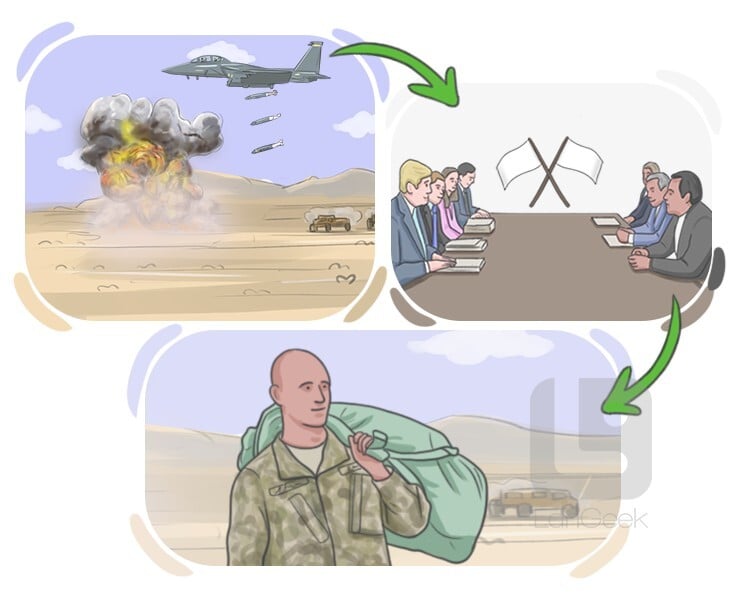
to make someone leave the armed forces or police and relieving them from their duties
Transitive: to discharge a member of armed forces
例
After completing their tour of duty, the soldier was honorably discharged from the military.
任務を完了した後、その兵士は名誉をもって軍隊から除隊した。
04
退院させる, 解放する
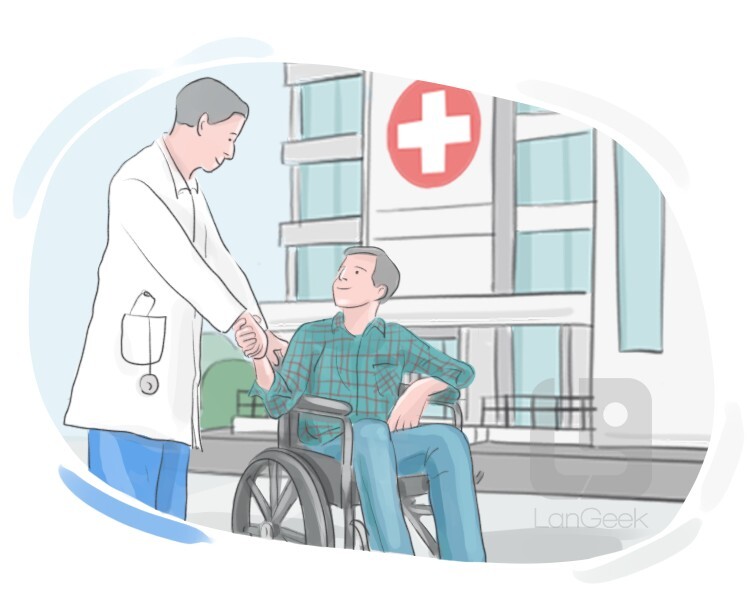
to allow a patient to leave the hospital because they have recovered and no longer need to receive inpatient care
Transitive: to discharge a patient
例
The doctor discharged the patient from the hospital after a successful surgery and confirmed recovery.
医者は成功した手術と確認された回復の後、患者を病院から退院させた。
05
果たす, 遂行する
to carry out or complete all necessary tasks or obligations associated with a duty or responsibility
Transitive: to discharge a task or obligation
文法情報
形態的構成
派生語
動作動詞
規則的
現在時制
discharge
三人称単数
discharges
現在分詞
discharging
単純過去
discharged
過去分詞
discharged
例
The diligent employee discharged her responsibilities with precision and efficiency.
勤勉な従業員は、正確かつ効率的に自分の責任を果たした。
06
放出する, 排出する
to give off or release a substance like gas or liquid
Transitive: to discharge a substance
例
The factory was fined for discharging pollutants into the river, causing environmental damage.
工場は川に汚染物質を排出したため、環境に損害を与えたとして罰金を科された。
07
放電する, 中和する
to remove or neutralize the electric charge from an object
Transitive: to discharge an electric charge
例
The lightning rod on the building's rooftop is designed to discharge any buildup of static electricity
建物の屋上の避雷針は、静電気の蓄積を放電するように設計されています。
08
解放する, 免除する
to free or release someone from a contractual or legal obligation
Transitive: to discharge sb from a contractual or legal obligation
例
The court ordered the landlord to discharge the tenant from the lease agreement due to breach of contract.
裁判所は、契約違反により家主が賃貸借契約から賃借人を解放するよう命じた。
09
発射する, 撃つ
to release a projectile from a firearm
Transitive: to discharge a firearm
例
The soldier carefully aimed before discharging his rifle, hitting the target with precision.
兵士はライフルを発射する前に慎重に照準を合わせ、正確に標的に命中させた。
10
荷を下ろす, 乗客を降ろす
to drop or unload goods or passengers from a vessel onto land or another mode of transportation
Transitive: to discharge goods or passengers
例
As the vessel reached the harbor, the crew prepared to discharge the cargo.
船が港に着くと、乗組員は荷物を降ろす準備をした。
11
膿を出す, 排膿する
(of a wound or body part) to slowly release an infectious liquid, called pus
Transitive: to discharge pus
例
The infected cut on his arm started to discharge pus, causing him considerable discomfort.
彼の腕の感染した傷は膿を排出し始め、かなりの不快感を引き起こしました。
Discharge
01
放電, 解放
the sudden release of stored energy, such as electricity, heat, or radiation
文法情報
有生性の状態
抽象的
形態的構成
複合語
可算
singular
not gender specific
複数形
discharges
例
The engineer studied the pattern of the electric discharge in the plasma chamber.
エンジニアは、プラズマチャンバー内の電気 放電 のパターンを研究した。
02
解放, 放出
the act of releasing emotions or tension
例
Therapy helped him achieve a safe discharge of anger.
セラピーは彼が怒りの安全な放出を達成するのを助けました。
03
分泌, 排出物
a bodily process in which fluids or substances are released from the body
例
The nurse examined the wound for any unusual discharge.
看護師は、異常な分泌物がないか傷を調べた。
04
排出, 放流
a material or substance that is emitted, expelled, or released
例
The factory was fined for toxic discharge into the river.
工場は川への有毒な排出で罰金を科された。
05
発砲, 放電
the action of firing a weapon
例
The accidental discharge of the rifle startled everyone.
ライフルの偶発的な発砲が皆を驚かせた。
06
解雇, 除隊
the official ending of someone's employment or service, allowing them to leave a duty or position
例
The soldier received an honorable discharge after ten years of service.
その兵士は10年の勤務の後、名誉ある除隊を受けました。
07
免除, 解放
a formal written statement releasing someone from a duty, debt, or obligation
例
The lawyer prepared a discharge to clear his client of liability.
弁護士は、依頼人を責任から解放するために免除書を準備しました。
08
排出, 流出
a continuous or sudden flow of liquid or other fluid from a source
例
The pipe burst, causing a heavy discharge of water.
パイプが破裂し、水の大量な排出を引き起こした。
LanGeek
モバイルアプリをダウンロード

語彙ツリー
discharge
charge

