






























to whistle
01
口笛を吹く
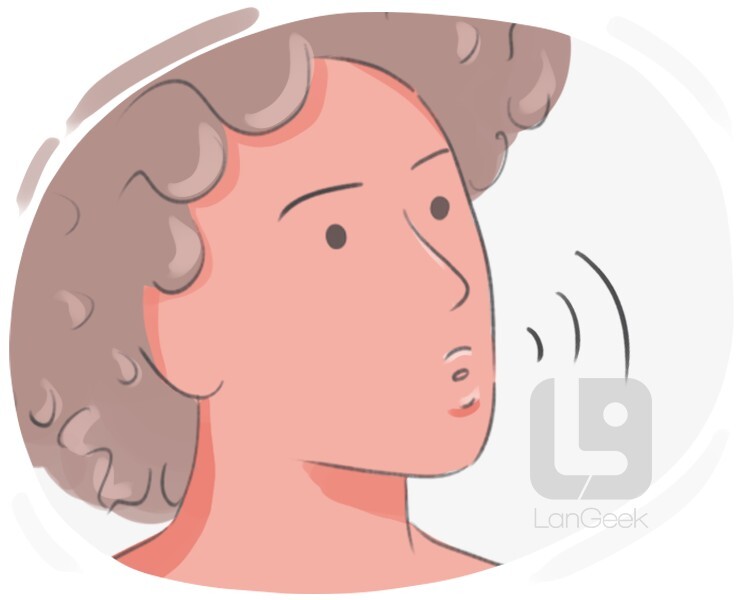
to make a high-pitched sound by forcing air out through one's partly closed lips
Intransitive
文法情報
形態的構成
単純語
動作動詞
規則的
現在時制
whistle
三人称単数
whistles
現在分詞
whistling
単純過去
whistled
過去分詞
whistled
例
The boy learned how to whistle by watching his grandfather.
少年は祖父を見て口笛を吹く方法を学びました。
02
口笛を吹く, 笛を鳴らす
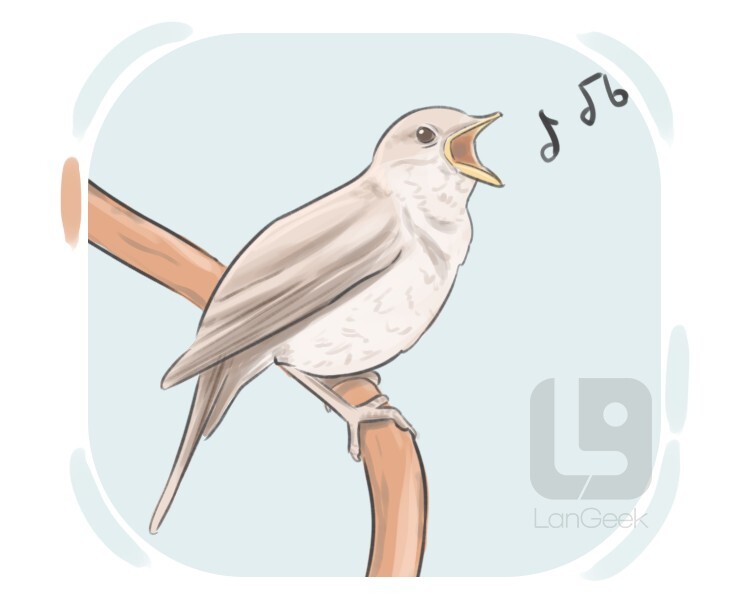
to produce a sharp, high-pitched sound
Intransitive
例
The kettle began to whistle as the water reached boiling point.
やかんは水が沸点に達すると鳴り始めました。
03
口笛を吹く, 笛を鳴らす
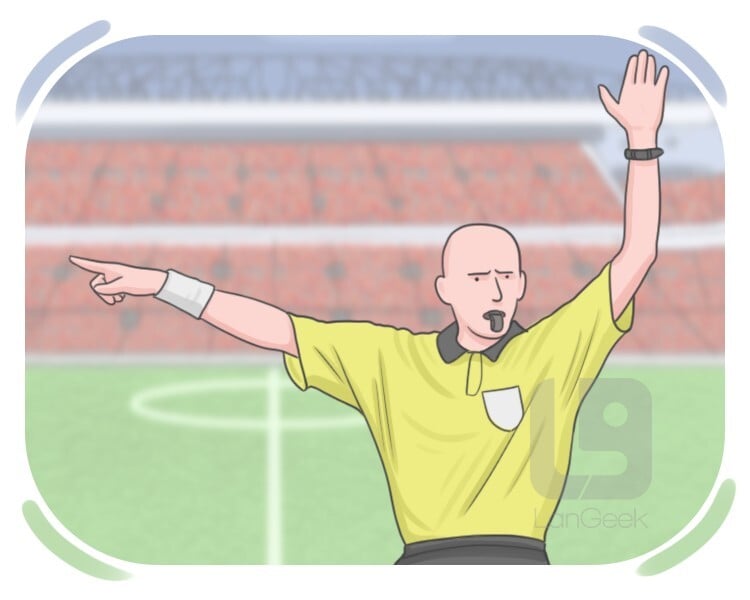
to blow a whistle as a signal to alert or command attention
Intransitive: to whistle for sb
例
He whistled for the waiter to bring the check after finishing dinner.
彼は夕食を終えた後、ウェイターに請求書を持ってくるように口笛を吹いた。
04
口笛を吹く
to create a melody or song by producing a high-pitched sound through whistling
Transitive: to whistle a melody or tune
例
He began to whistle a cheerful tune while walking down the street.
彼は道を歩きながら、陽気な曲を口笛で吹き始めた。
05
口笛を吹く, ヒューヒュー鳴る
to create a sharp, high-pitched sound by moving quickly through a narrow opening or air
例
The wind whistled through the cracks in the window, making the house feel cold.
風が窓の隙間を通り抜けて口笛を吹き、家を寒く感じさせた。
Whistle
01
ホイッスル, リコーダー
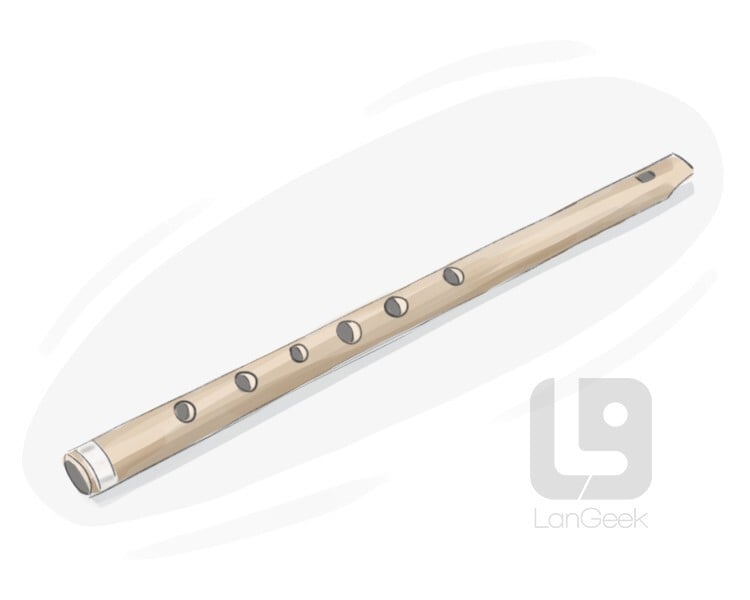
a small, simple fipple flute or device that produces a high-pitched tone when blown
文法情報
有生性の状態
無生物
形態的構成
単純語
可算
singular
not gender specific
複数形
whistles
例
The child plays a tune on a metal whistle.
子供が金属製のホイッスルでメロディーを演奏する。
02
ホイッスル, 口笛
the action of producing a sound to signal, summon, or attract attention
例
The lifeguard's whistle alerts swimmers to danger.
ライフガードのホイッスルは、泳者に危険を知らせます。
03
笛, 警笛
a device mounted on locomotives and some railcars that emits a loud, high-pitched sound to signal warnings or communicate with personnel and other trains
例
The engineer sounded the whistle to alert workers on the tracks of the approaching train.
エンジニアは、近づいてくる列車を線路上の作業員に知らせるために警笛を鳴らした。
04
ホイッスル, 笛
a small, handheld device used to produce a high-pitched sound when blown into, often used for communication, signaling, or as a toy for play and fun
例
The referee blew the whistle to stop the game after a foul was committed.
審判は反則の後、ゲームを止めるためにホイッスルを吹きました。
05
口笛, 笛の音
a high-pitched sound created by rapid movement of air through a narrow opening
例
The wind makes a whistle through the chimney.
風が煙突を通して口笛のような音を立てる。
LanGeek
モバイルアプリをダウンロード

語彙ツリー
whistling
whistle

