






























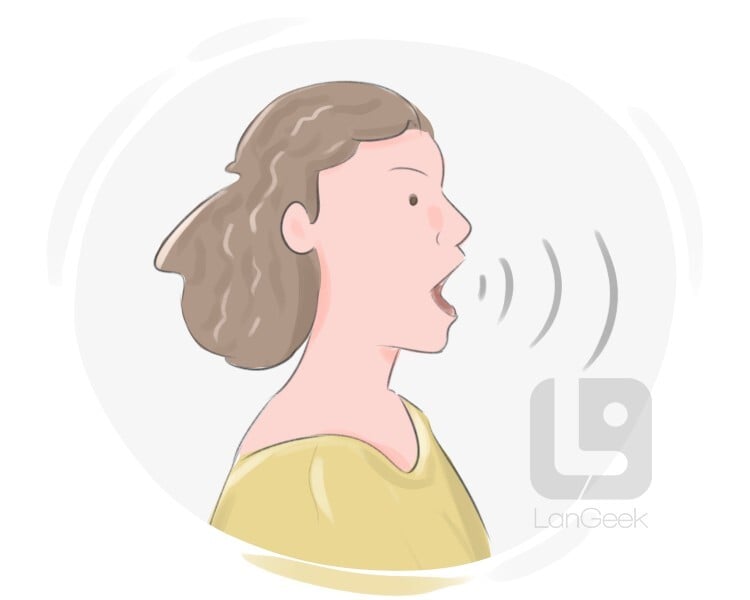
to vocalize
01
声に出す, ボーカライズする
to produce sounds or words with one's voice
Transitive: to vocalize words or sounds
文法情報
形態的構成
派生語
動作動詞
規則的
現在時制
vocalize
三人称単数
vocalizes
現在分詞
vocalizing
単純過去
vocalized
過去分詞
vocalized
例
In the recording studio, the artist took multiple attempts to vocalize the lyrics with the perfect emotional intensity.
レコーディングスタジオで、アーティストは完璧な感情の強さで歌詞を発声するために複数の試みを行いました。
02
母音化する, 半母音に変換する
to convert a consonant sound into a semivowel or vowel sound
Transitive: to vocalize a consonant
例
In the word "little," the /l/ sound at the end is vocalized into a semivowel, sounding more like "lih-tuhl" when pronounced.
「little」という単語では、最後の/l/音は半母音に声帯化され、発音すると「lih-tuhl」のように聞こえます。
03
表現する, 言葉にする
to express or communicate thoughts, feelings, or ideas verbally
Transitive: to vocalize thoughts or feelings
例
During the meeting, each team member was encouraged to vocalize their opinions on the project's direction.
会議中、各チームメンバーはプロジェクトの方向性についての意見を表明するよう奨励されました。
例
The choir vocalized beautifully during the rehearsal, harmonizing their voices to create a rich, melodic blend.
合唱団はリハーサル中に美しく声を出し、彼らの声を調和させて豊かで旋律的なブレンドを作り出しました。
05
ボーカライズする, 母音を使って歌う
to sing a series of notes, either in a scale or a melody, using the same vowel sound throughout
Transitive: to vocalize a musical scale or passage
例
The vocal coach instructed the students to vocalize the major scale using the "ah" vowel sound.
ボーカルコーチは、生徒たちに「アー」という母音を使ってメジャースケールを発声するように指示しました。
Vocalize
01
ボカリーズ, 声楽練習
a piece of music that is meant to be sung with no words, in which the singer chooses to sing only one vowel
Dialect American
AmericanvocaliseBritish
British文法情報
有生性の状態
無生物
形態的構成
複合語
可算
singular
not gender specific
複数形
vocalizes
LanGeek
モバイルアプリをダウンロード

語彙ツリー
subvocalize
vocalizer
vocalizing
vocalize
vocal
voice

