Keresés
Válassza ki a szótár nyelvét

Mask
nyelvtani információk
élőségi állapot
élettelen
többes számú alak
masks
Példák
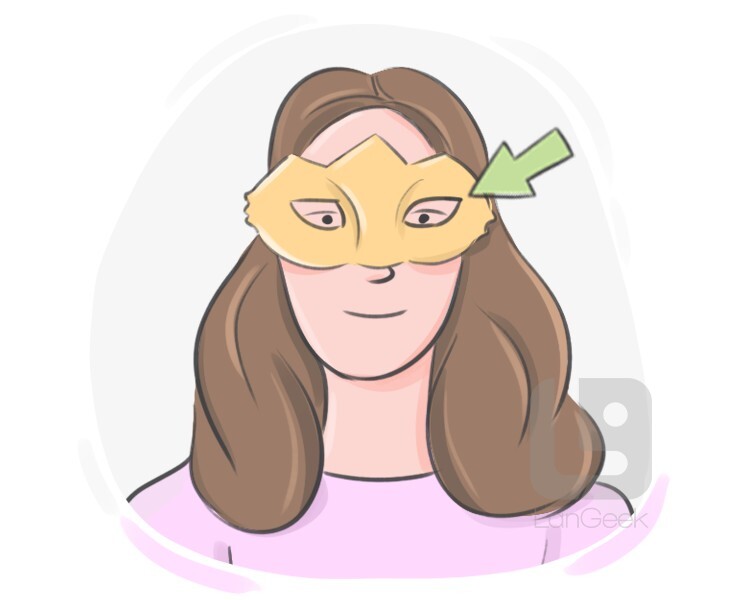
The thief put on a mask to avoid recognition.
02
an action, behavior, or strategy intended to hide, disguise, or obscure something
Példák
The apology was a mask to cover the real intentions.
to mask
01
maszkol, eltakar
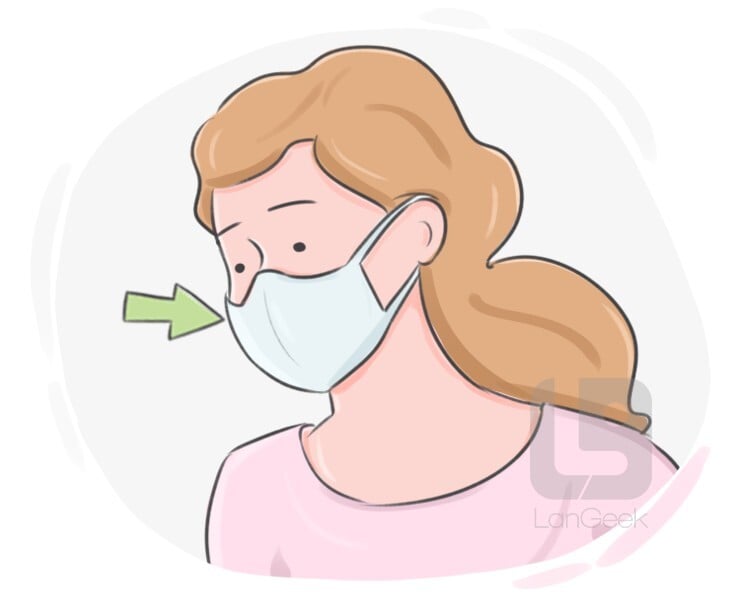
to use a covering, such as a physical mask or other means, to hide or protect one's face
Transitive: to mask one's face
nyelvtani információk
cselekvést jelentő ige
szabályos
jelen idő
mask
egyes szám 3. személy
masks
egyszerű múlt
masked
befejezett melléknévi igenév
masked
Példák
The criminal attempted to mask his face with a ski mask during the robbery.
A bűnöző megpróbálta elmaszkírozni az arcát símaszkkal a rablás során.
02
maszkíroz, elrejt
to hide or conceal something, like emotions or intentions, from others
Transitive: to mask emotions or intentions
Példák
The politician masked his true motives behind a façade of concern.
A politikus elrejtette valódi indítékait az aggodalom látszata mögé.
03
maszkíroz, eltakar
to cover or protect a specific part of a photographic surface to stop light from affecting it during exposure
Transitive: to mask part of a photograph
Példák
To create a special effect, she masked parts of the photo during the development process.
Egy különleges hatás eléréséhez maszkolta a fénykép részeit a fejlesztési folyamat során.
04
maszkíroz, befed
to cover food, especially meat, with a flavorful sauce to enhance its taste
Transitive: to mask food with a sauce
Példák
She used a honey glaze to mask the ham for a sweet and savory flavor.
Mézzel készült mázat használt, hogy elrejtse a sonkát egy édes és ízletes íz érdekében.
05
maszkíroz, eltakar
to make something unclear, hidden, or difficult to perceive
Transitive: to mask sth
Példák
The perfume masked the unpleasant odor of the room.
A parfüm elnyomta a szoba kellemetlen szagát.