

Rechercher
Sélectionnez la langue du dictionnaire





























to imply
01
impliquer
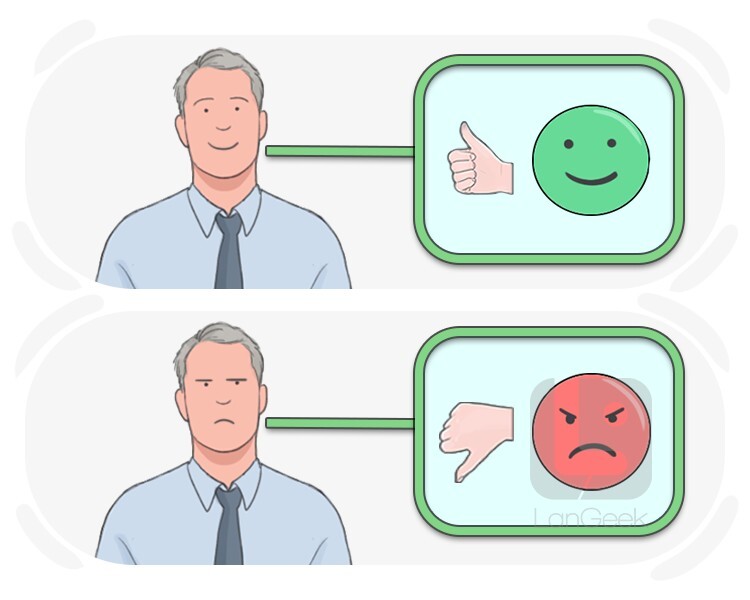
to suggest without explicitly stating
Transitive: to imply an idea or attitude | to imply that
informations grammaticales
composition morphologique
simple
verbe d’action
régulier
présent
imply
3e personne du singulier
implies
participe présent
implying
passé simple
implied
participe passé
implied
Exemples
The politician's statement seemed to imply that there was more to the story than what was being revealed.
La déclaration du politicien semblait sous-entendre qu'il y avait plus dans l'histoire que ce qui était révélé.
02
impliquer
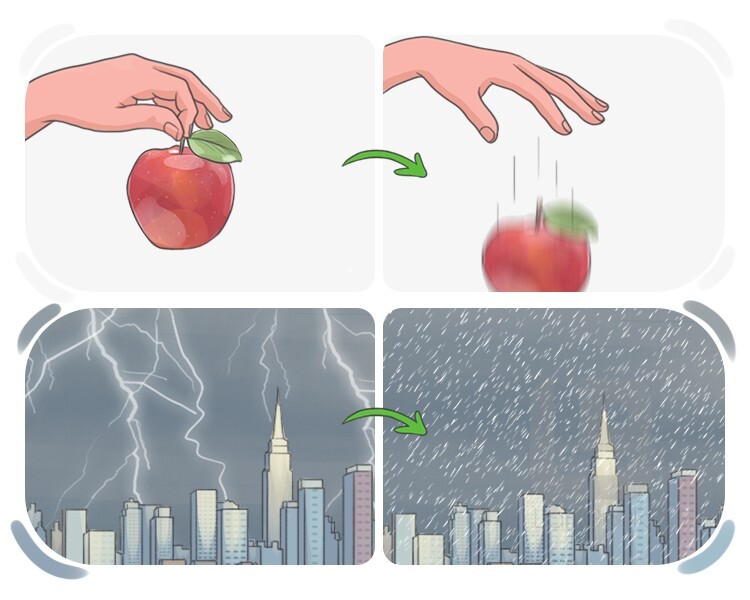
to suggest that one thing is the logical consequence of the other
Transitive: to imply an underlying cause | to imply that
Exemples
The dark clouds imply that it might rain later today.
Impliquer signifie que les nuages sombres suggèrent qu'il pourrait pleuvoir plus tard aujourd'hui.
03
impliquer, signifier
to make something essential or required for an idea, action, or outcome to be successful or effective
Transitive: to imply a consequence or result
Exemples
Smoking cigarettes implies an increased risk of lung cancer.
Fumer des cigarettes implique un risque accru de cancer du poumon.
LanGeek


