

অনুসন্ধান করুন
অভিধানের ভাষা নির্বাচন করুন





























to imply
01
ইঙ্গিত করা, বোঝানো
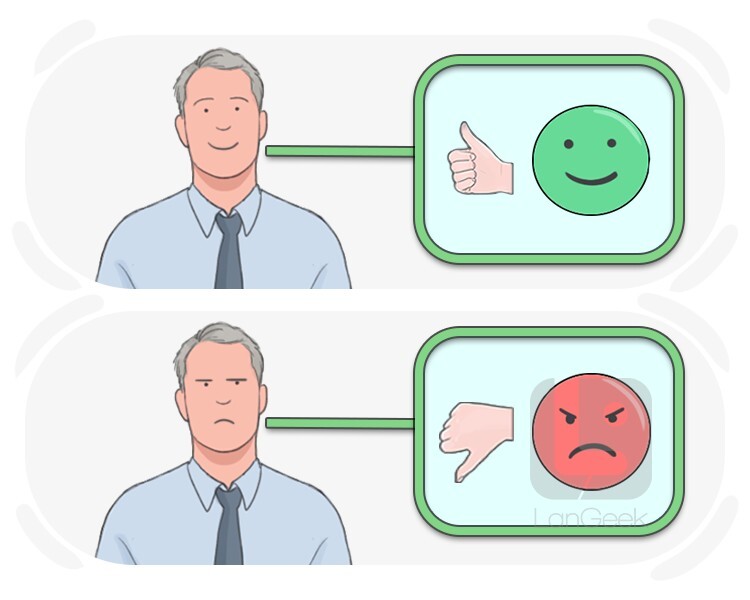
to suggest without explicitly stating
Transitive: to imply an idea or attitude | to imply that
ব্যাকরণগত তথ্য
রূপগত গঠন
সরল
কর্মসূচক ক্রিয়া
নিয়মিত
বর্তমান কাল
imply
৩য় পুরুষ একবচন
implies
বর্তমান কৃদন্ত
implying
সরল অতীত
implied
অতীত কৃদন্ত
implied
উদাহরণ
The politician's statement seemed to imply that there was more to the story than what was being revealed.
রাজনীতিবিদের বক্তব্য মনে হচ্ছিল যে গল্পে যা প্রকাশ করা হচ্ছিল তার চেয়ে বেশি কিছু আছে তাইঙ্গিত দিচ্ছে।
02
ইঙ্গিত করা, বোঝানো
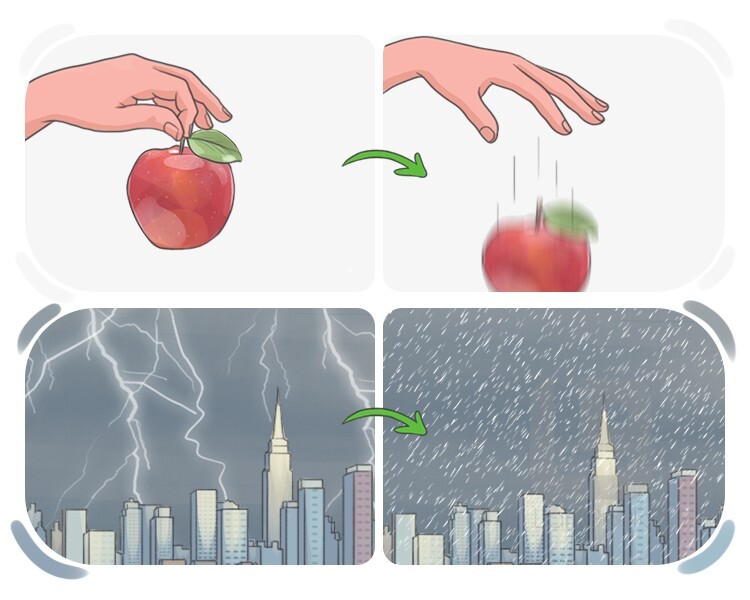
to suggest that one thing is the logical consequence of the other
Transitive: to imply an underlying cause | to imply that
উদাহরণ
The dark clouds imply that it might rain later today.
ইঙ্গিত করা মানে কালো মেঘগুলি পরামর্শ দেয় যে আজ পরে বৃষ্টি হতে পারে।
03
বোঝানো, অর্থ প্রকাশ করা
to make something essential or required for an idea, action, or outcome to be successful or effective
Transitive: to imply a consequence or result
উদাহরণ
Smoking cigarettes implies an increased risk of lung cancer.
সিগারেট খাওয়া ফুসফুসের ক্যান্সারের ঝুঁকি বাড়ায় বোঝায়।
LanGeek


