

Hledat





























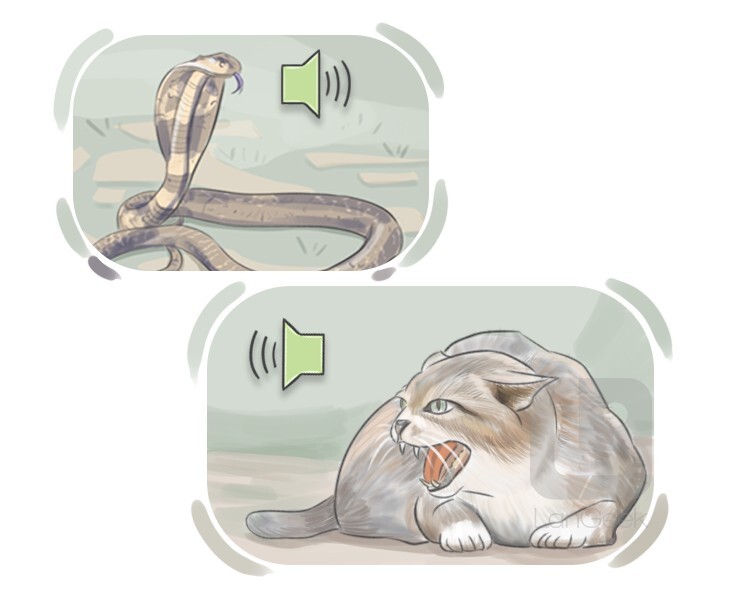
to hiss
01
sýčet, prskat
to make a sharp, prolonged sound, usually produced by forcing air through the mouth
Intransitive
gramatické informace
morfologické složení
jednoduché
dějové sloveso
pravidelné
přítomný čas
hiss
3. osoba jednotného čísla
hisses
příčestí přítomné
hissing
minulý čas prostý
hissed
příčestí minulé
hissed
Příklady
The cat hissed at the approaching stranger, warning them to stay away.
Kočka sykla na přibližujícího se cizince, varovala ho, aby zůstal daleko.
02
sýčet, pískat
to produce a sharp, sibilant sound to express disapproval, contempt, or mockery
Intransitive
Příklady
The crowd began to hiss when the referee made a questionable call.
Dav začal pískat, když rozhodčí udělal sporné rozhodnutí.
03
sykět, vypískat
to show disapproval or contempt for someone by making a hissing sound directed at them
Transitive: to hiss sb
Příklady
The audience began to hiss the actor off the stage after a poor performance.
Publikum začalo herce pískat z jeviště po špatném výkonu.
04
sykět, pískat
to move while producing a sharp, sibilant sound
Intransitive
Příklady
The train hissed by, its brakes releasing air with a sharp sound.
Vlak zasupěl kolem, jeho brzdy uvolňovaly vzduch s ostrým zvukem.
Hiss
01
syčení, pískot
a cry or noise made to express displeasure or contempt
gramatické informace
stav životnosti
abstraktní
morfologické složení
složené
počitatelné
singular
not gender specific
tvar množného čísla
hisses
02
syčení, pískání
a fricative sound (especially as an expression of disapproval)
LanGeek
Stáhněte si naši mobilní aplikaci

Lexikální Strom
hisser
hissing
hiss

