

Search
Select the dictionary language





























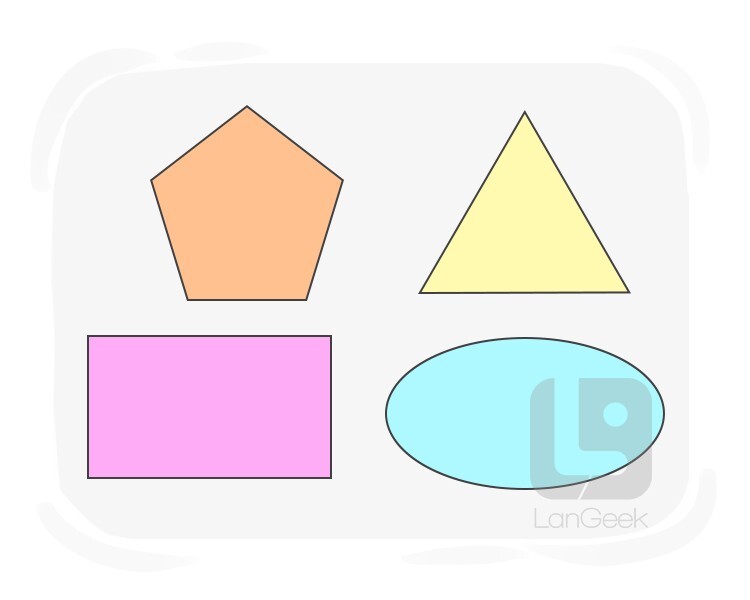
the shape of someone or something, especially the outline
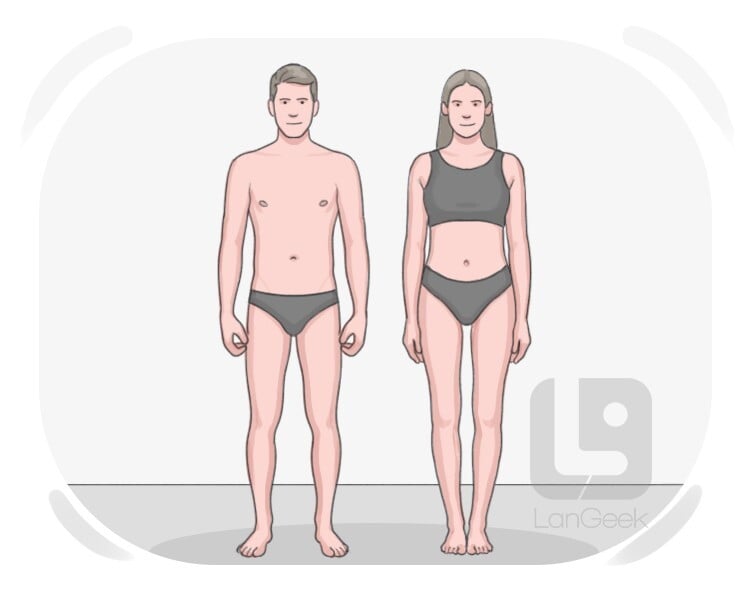
the physical structure of the human body
a printed piece of paper with spaces on it to answer questions or record information

a class of things sharing a defining feature
the spoken or written shape of a word used for identification or description
What is "form"?
Form refers to the structure or shape of a word, phrase, sentence, or discourse in language. It involves the arrangement of elements and the rules governing how they combine to convey meaning. In linguistics, form can include aspects such as grammatical structure, word order, and punctuation. Understanding form is essential for effective communication, as it influences clarity, coherence, and the overall impact of the message. Different forms can be used to express various functions, such as making statements, asking questions, or giving commands, highlighting the importance of form in language use and comprehension.
a specific pronunciation, spelling, or inflection of a word within a grammatical system
What is "form"?
Form refers to the specific way in which a particular word is pronounced, written, or inflected. It encompasses the different variations of a word based on grammatical rules, such as tense, number, or case. For example, the form of a verb can change depending on whether it is in the past, present, or future tense. Additionally, nouns may have different forms to indicate singular or plural usage. Understanding a word's form is essential for effective communication, as it helps ensure correct usage in both spoken and written language.
a shallow depression or resting spot made by a hare for concealment or protection
the manner in which something is presented, expressed, or structured
the overall structure or organization of a musical composition
What is "form"?
Form in music refers to the overall structure or organization of a piece. It outlines how different sections of the music are arranged and how they relate to each other. Form helps to provide a sense of order and coherence, guiding the listener through the different parts of the music and contributing to its overall structure and flow.
a subgroup within a species marked by minor, nonessential variations
a full-scale mannequin used for fitting or presenting clothing
a shaping container used to hold and harden poured concrete
a capacity to perform at a high or desirable level
a group of students within a British school who are organized together based on factors such as age or academic ability
What is a "form"?
A form is a group of students in a British school who are organized together based on factors such as age or academic ability. This term is often used to refer to a specific grade or year group within the school, where students follow a common curriculum and typically share the same teacher. The term can also describe smaller divisions within a year group, such as a "Form 1" or "Form 2," with each group receiving lessons together and participating in school activities as a unit.
a pattern or organization by which sensory information is recognized
to combine parts or bring them together to create something
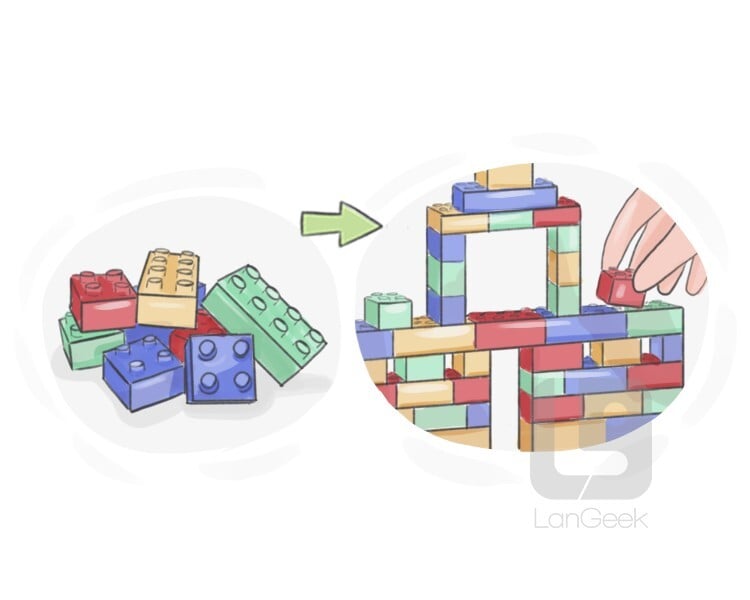
to develop or come into existence
to make something into a shape

to assume or take on a particular shape or structure
to act as one of the elements that constitutes a larger whole
to conceive or develop an idea, concept, or plan within one's mind
LanGeek
Download Our Mobile App

Lexical Tree

