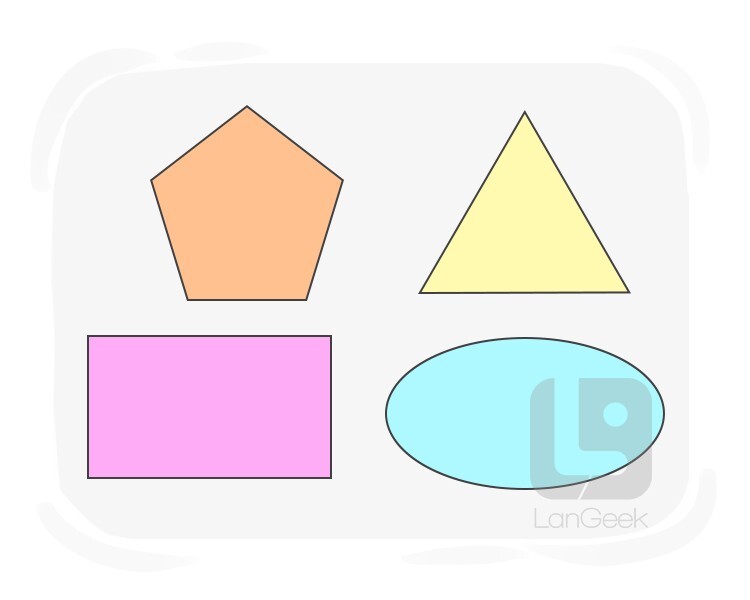
Form
01
形, シルエット
the shape of someone or something, especially the outline
例
The building 's form stood out against the skyline with its unique silhouette.
その建物の形は、ユニークなシルエットでスカイラインに映えていた。
02
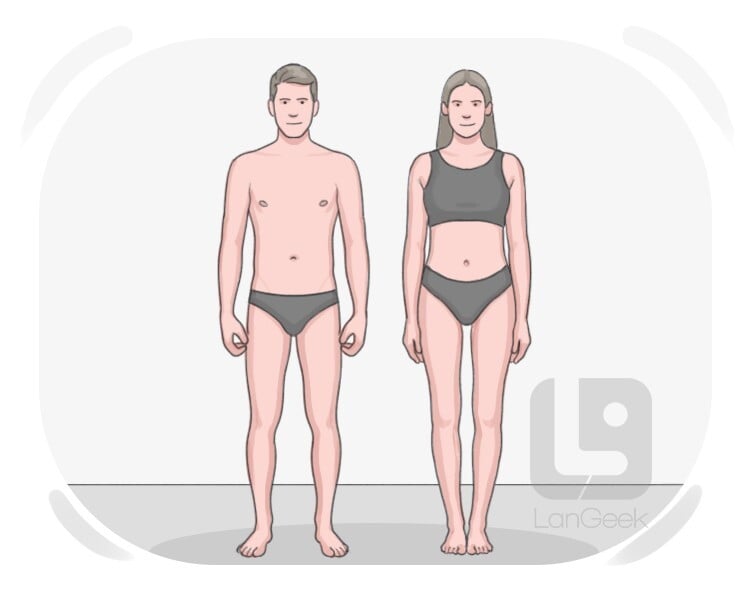
the physical structure of the human body
03
フォーム, 用紙
a printed piece of paper with spaces on it to answer questions or record information
例
She filled out the form with her personal details and signed at the bottom.
彼女は用紙に自分の個人情報を記入し、下部に署名しました。
04
a class of things sharing a defining feature
例
The sculptor admired the intricate form of the statue he had created.
05
the spoken or written shape of a word used for identification or description
06
a specific pronunciation, spelling, or inflection of a word within a grammatical system
07
a shallow depression or resting spot made by a hare for concealment or protection
08
形式, フォーマット
the manner in which something is presented, expressed, or structured
例
The data was presented in graphical form, with charts and diagrams used to illustrate the findings.
データはグラフィカルな形式で提示され、調査結果を説明するためにチャートや図が使用されました。
09
形式, 構造
the overall structure or organization of a musical composition
例
The sonata form consists of exposition, development, and recapitulation sections, providing a framework for classical compositions.
ソナタ形式は、提示部、展開部、再現部からなり、古典的な作曲のための枠組みを提供します。
10
a subgroup within a species marked by minor, nonessential variations
例
Achillea millefolium ( common yarrow ) has several forms: " californica, " " lanulosa, " and " occidentalis "
11
a full-scale mannequin used for fitting or presenting clothing
12
a shaping container used to hold and harden poured concrete
13
a capacity to perform at a high or desirable level
14
クラス, グループ
a group of students within a British school who are organized together based on factors such as age or academic ability
例
The students in form 10B participated in a science fair competition.
10B組の生徒たちは科学フェアの競技会に参加しました。
15
a pattern or organization by which sensory information is recognized
to form
01
形成する, 構成する
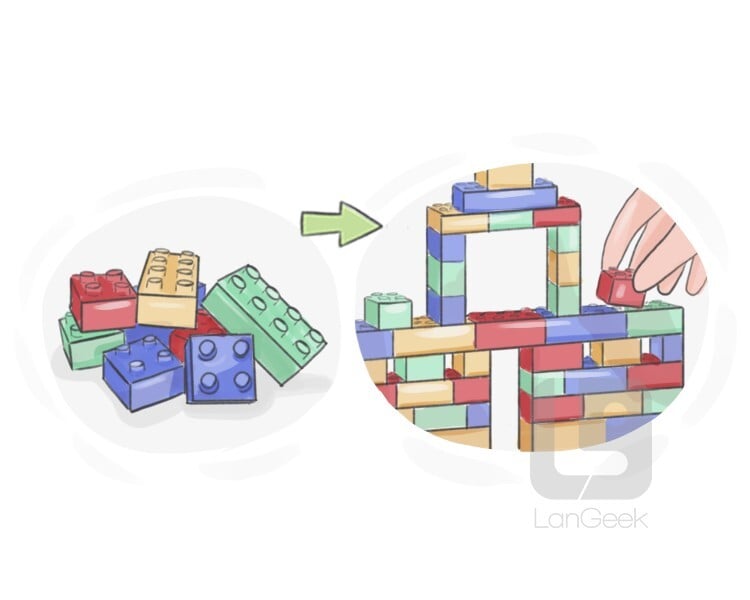
to combine parts or bring them together to create something
Transitive: to form sth
例
The ingredients form a cohesive mixture when blended together in the recipe.
材料は、レシピで一緒に混ぜると、まとまりのある混合物を形成します。
02
形成する, 形を成す
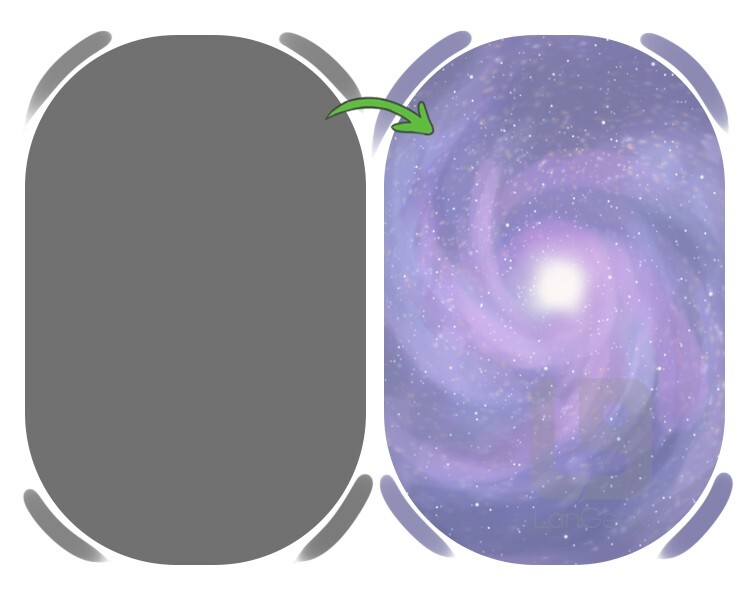
to develop or come into existence
Intransitive
例
As the temperature dropped, icicles started to form along the edges of the roof.
気温が下がるにつれて、屋根の端に沿ってつららが形成され始めた。
03
形作る, 成型する
to make something into a shape
Transitive: to form sth
例
Bakers use molds to form cookies into various shapes.
パン屋は型を使ってクッキーをさまざまな形に形成します。
04
形を成す, 形成される
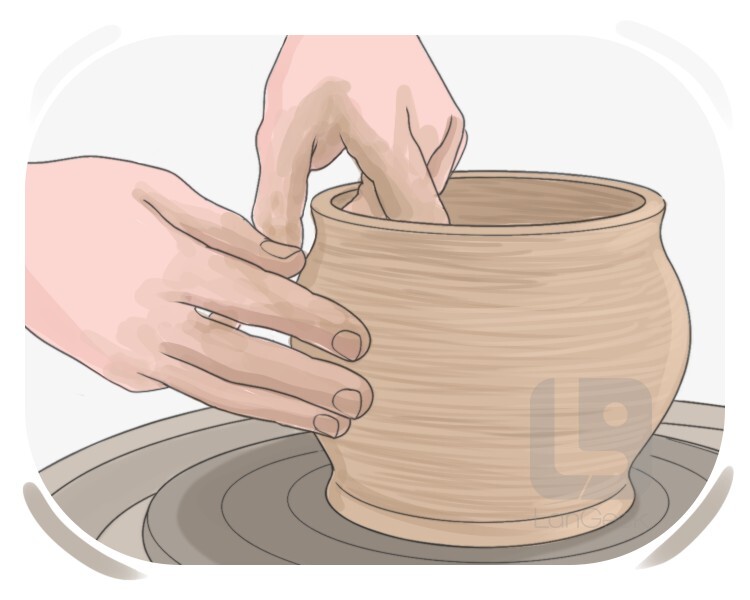
to assume or take on a particular shape or structure
Intransitive: to form into sth
例
Over time, the clay began to form into a smooth, rounded shape as the potter's hands worked the wheel.
時間が経つにつれて、陶工の手がろくろを回すうちに、粘土は滑らかで丸みを帯びた形に形作られ始めました。
05
形成する, 構成する
to act as one of the elements that constitutes a larger whole
Transitive: to form a whole
例
The chapters of a book form the structure of the narrative.
本の章は物語の構造を形成します。
06
形作る, 考案する
to conceive or develop an idea, concept, or plan within one's mind
Transitive: to form an idea or concept
例
The architect formed a vision for the new building, imagining its design, functionality, and aesthetic appeal.
建築家は新しい建物のデザイン、機能性、美的魅力を想像しながら、ビジョンを形成しました。
語彙ツリー
formal
formalistic
formal
form