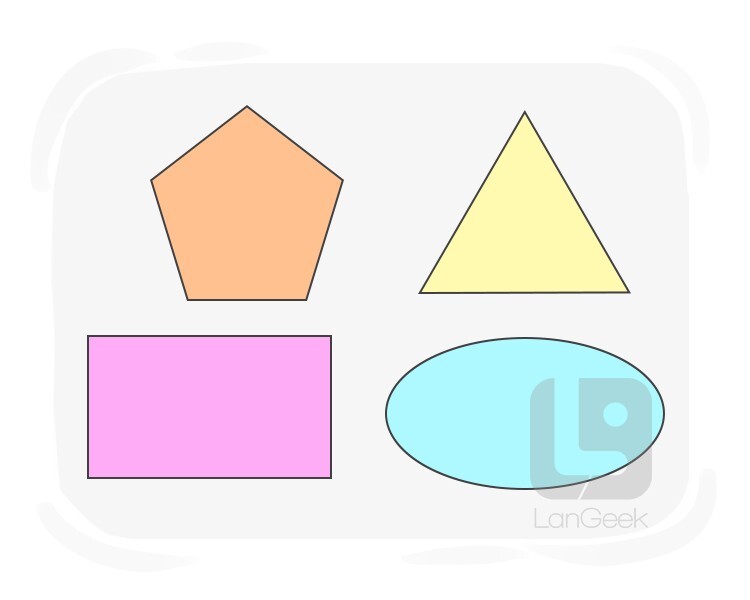
Form
01
形, シルエット
the shape of someone or something, especially the outline
例
The building 's form stood out against the skyline with its unique silhouette.
その建物の形は、ユニークなシルエットでスカイラインに映えていた。
The artist focused on capturing the human form in her latest painting.
そのアーティストは最新の絵画で人間の形を捉えることに集中しました。
02
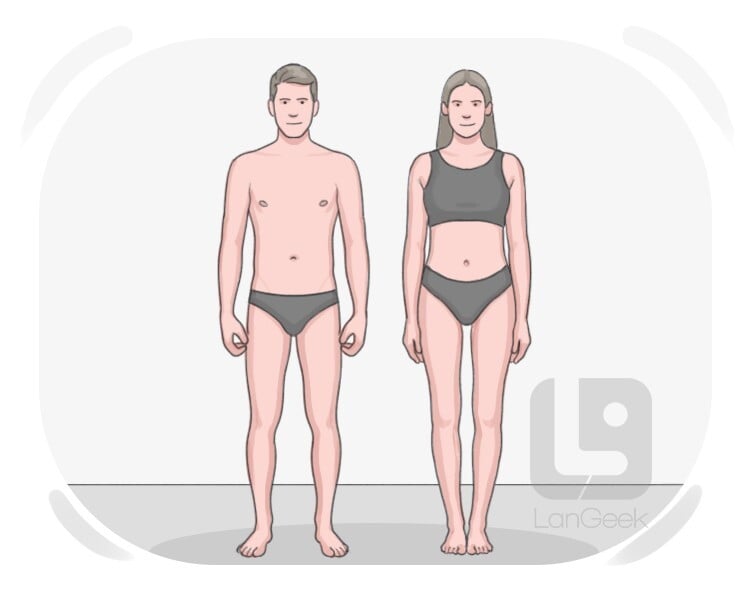
体, 肉体
alternative names for the body of a human being
03
フォーム, 用紙
a printed piece of paper with spaces on it to answer questions or record information
例
She filled out the form with her personal details and signed at the bottom.
彼女は用紙に自分の個人情報を記入し、下部に署名しました。
The doctor handed him a medical history form to complete before the appointment.
医者は彼に診察前に記入するための用紙を手渡した。
04
フォーム, 体調
the state of being healthy and in one's physical prime
05
形, 外観
the appearance of someone or something
例
The sculptor admired the intricate form of the statue he had created.
彫刻家は自分が作った像の複雑な形を賞賛した。
The athlete 's muscular form was impressive as he crossed the finish line.
その選手の筋肉質な姿は、フィニッシュラインを越えるときに印象的だった。
06
形, 構成
the shape of a word, phrase, sentence or discourse
07
形, 語尾
(grammar) a way in which a particular word is pronounced, written or inflected
08
巣, 形
a shallow hole or nest made by a hare for shelter or protection
09
形式, フォーマット
the manner in which something is presented, expressed, or structured
例
The data was presented in graphical form, with charts and diagrams used to illustrate the findings.
データはグラフィカルな形式で提示され、調査結果を説明するためにチャートや図が使用されました。
The essay was written in persuasive form, with the author arguing for a particular point of view.
そのエッセイは説得力のある形で書かれており、著者は特定の視点を主張していました。
10
形式, 構造
the overall structure or organization of a musical composition
例
The sonata form consists of exposition, development, and recapitulation sections, providing a framework for classical compositions.
ソナタ形式は、提示部、展開部、再現部からなり、古典的な作曲のための枠組みを提供します。
Pop songs often follow a verse-chorus form, with repeated sections that create familiarity and catchiness.
ポップソングはしばしば形式としてヴァースとコーラスを繰り返し、親しみやすくキャッチーな曲を作り出します。
11
形態, 品種
a collection of organisms within a species that have small differences from other similar groups
例
Achillea millefolium ( common yarrow ) has several forms: " californica, " " lanulosa, " and " occidentalis "
Achillea millefolium(セイヨウノコギリソウ)にはいくつかの形態があります:"californica"、"lanulosa"、"occidentalis"。
Rosa canina ( dog rose ) has two forms: " alba " ( white-flowered ) and " rubra " ( pink-flowered )
Rosa canina(犬バラ)には2つの形態があります:"alba"(白花)と"rubra"(ピンクの花)です。
12
マネキン, 形
a life-size dummy used to display clothes
13
型, 型枠
a mold for setting concrete
14
フォーム, 状態
an ability to perform well
15
クラス, グループ
a group of students within a British school who are organized together based on factors such as age or academic ability
例
The students in form 10B participated in a science fair competition.
10B組の生徒たちは科学フェアの競技会に参加しました。
The form 8 students worked together on a group project for their history class.
クラス8の生徒たちは、歴史の授業でグループプロジェクトに一緒に取り組みました。
16
形, 構造
a perceptual structure
17
形, 種類
a type or variety of something, especially a particular way in which it appears or is experienced
例
The company offers a range of form factors for its products, including desktops, laptops, and tablets.
同社は、デスクトップ、ラップトップ、タブレットを含む製品のさまざまな形態を提供しています。
18
形, 構成
the spatial arrangement of something as distinct from its substance
to form
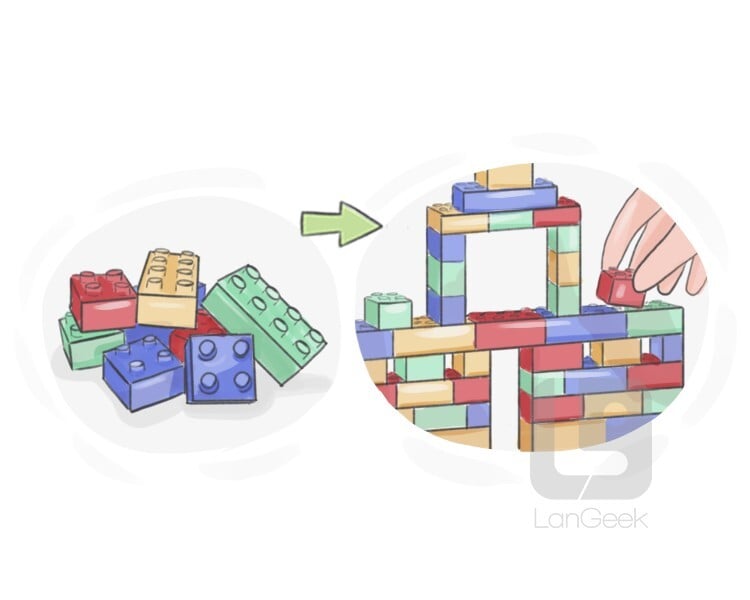
01
形成する, 構成する
to combine parts or bring them together to create something
Transitive: to form sth
例
The students collaborated to form a study group for the upcoming exams.
学生たちは、今後の試験に向けて勉強グループを作るために協力しました。
The committee worked together to form a new policy that addressed various concerns.
委員会は、さまざまな懸念に対処する新しい政策を形成するために協力しました。
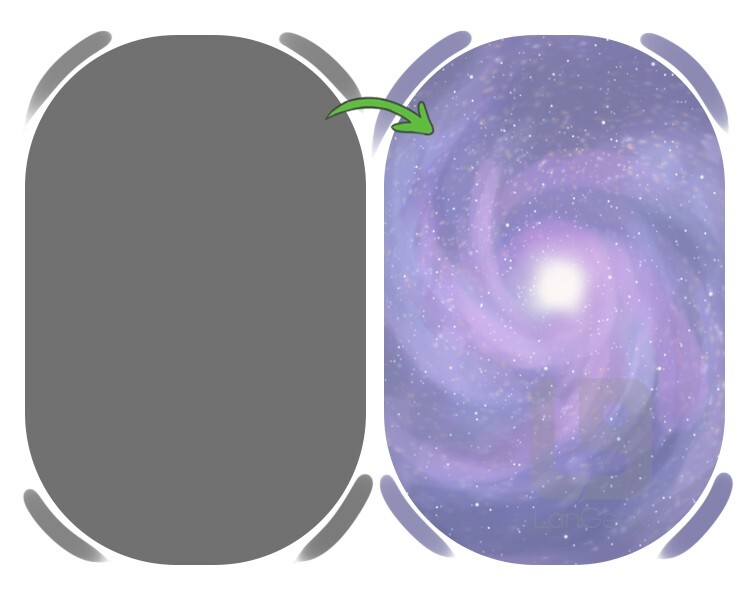
02
形成する, 形を成す
to develop or come into existence
Intransitive
例
As the temperature dropped, icicles started to form along the edges of the roof.
気温が下がるにつれて、屋根の端に沿ってつららが形成され始めた。
Over time, friendships form as people spend more time together and share experiences.
時間が経つにつれて、人々がより多くの時間を共に過ごし経験を共有すると、友情が形成される。
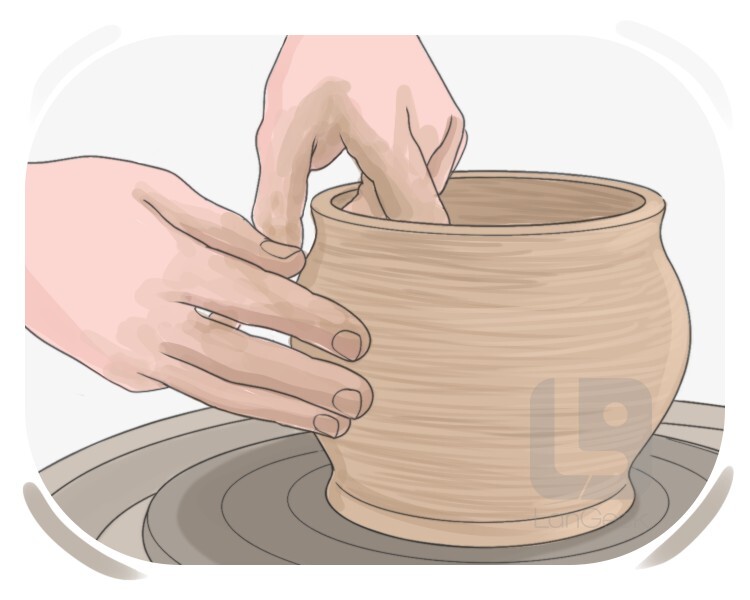
03
形作る, 成型する
to make something into a shape
Transitive: to form sth
例
Bakers use molds to form cookies into various shapes.
パン屋は型を使ってクッキーをさまざまな形に形成します。
The potter 's hands skillfully formed the wet clay on the spinning wheel.
陶芸家の手が回転するろくろの上で濡れた粘土を巧みに形作った。
04
形を成す, 形成される
to assume or take on a particular shape or structure
Intransitive: to form into sth
例
Over time, the clay began to form into a smooth, rounded shape as the potter's hands worked the wheel.
時間が経つにつれて、陶工の手がろくろを回すうちに、粘土は滑らかで丸みを帯びた形に形作られ始めました。
The caterpillar spun a cocoon around itself, where it would later form into a butterfly.
幼虫は自分の周りに繭を作り、後に蝶に変態する場所でした。
05
形成する, 構成する
to act as one of the elements that constitutes a larger whole
Transitive: to form a whole
例
The chapters of a book form the structure of the narrative.
本の章は物語の構造を形成します。
Individual cells form the basic building blocks of living organisms.
個々の細胞は、生物の基本的な構成要素を形成します。
06
形作る, 考案する
to conceive or develop an idea, concept, or plan within one's mind
Transitive: to form an idea or concept
例
The architect formed a vision for the new building, imagining its design, functionality, and aesthetic appeal.
建築家は新しい建物のデザイン、機能性、美的魅力を想像しながら、ビジョンを形成しました。
The scientist formed a hypothesis to explain the observed phenomenon.
科学者は観察された現象を説明するために仮説を立てた。
語彙ツリー
formal
formalistic
formal
form