

Искать





























to tick off
01
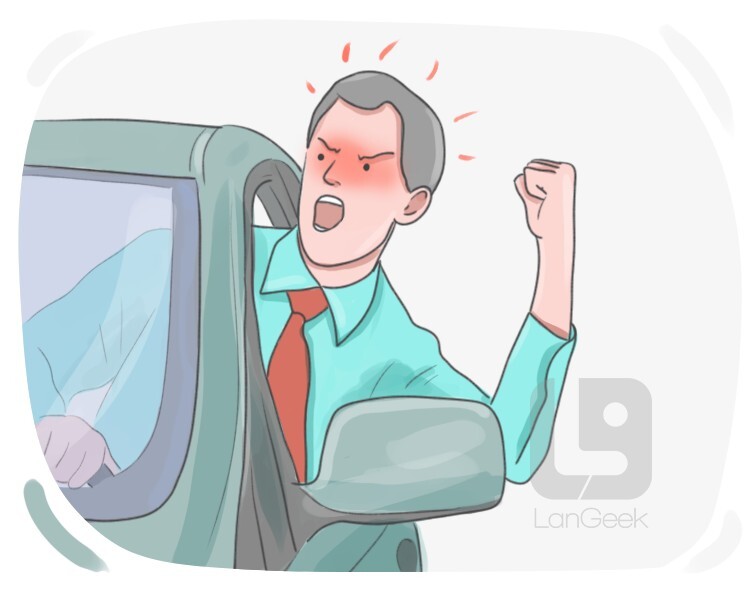
раздражать, злить
to anger or frustrate someone by one's actions or behaviors
Dialect American
AmericanTransitive: to tick off sb
неформальное
грамматическая информация
морфологический состав
фразовый
глагол действия
правильный
разделяемый
частица
off
основной глагол
tick
настоящее время
tick off
3-е лицо единственного числа
ticks off
причастие настоящего времени
ticking off
простое прошедшее время
ticked off
причастие прошедшего времени
ticked off
Примеры
His constant interruptions during the meeting really ticked off his colleagues.
Его постоянные перебивания во время встречи действительно вывели из себя его коллег.
02
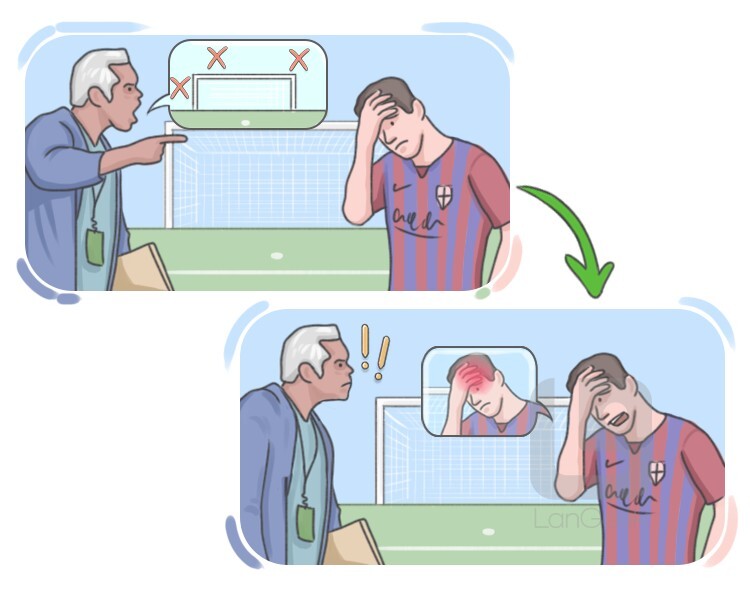
ругать, отчитывать
to tell someone they did something wrong and express one's anger or disapproval about it
Dialect British
BritishTransitive: to tick off a person or their actions
Примеры
The teacher ticked off the student for not finishing the assignment.
Учитель отчитал ученика за то, что он не выполнил задание.
03
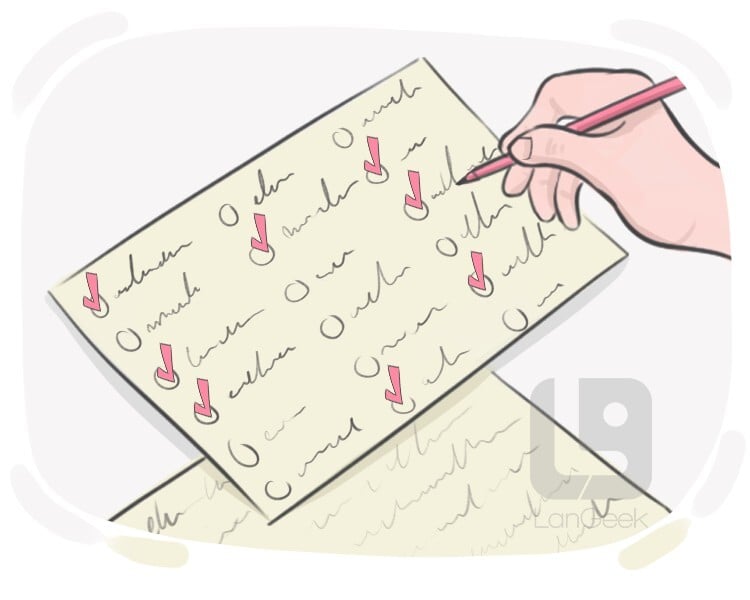
отмечать, поставить галочку
to put a check mark on or near an item on a list, often to indicate completion or acknowledgment
DialectBritish
BritishTransitive: to tick off an item on a list
Примеры
As you finish each task, tick it off on the to-do list.
Когда вы завершаете каждую задачу, отмечайте её в списке дел.
LanGeek


