

Szukaj





























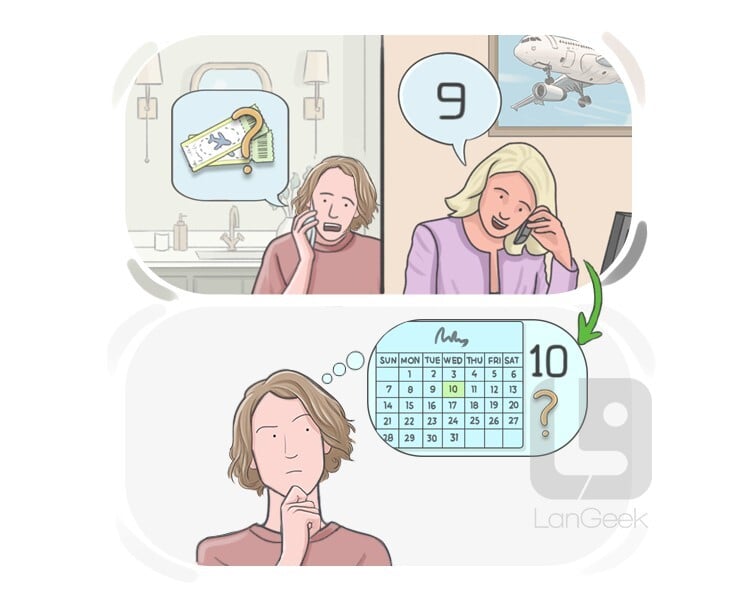
to confuse
01
mylić, pomylić
to misunderstand or mistake a thing as something else or a person for someone else
Transitive: to confuse sth
informacje gramatyczne
budowa morfologiczna
pochodny
czasownik czynnościowy
regularny
czas teraźniejszy
confuse
3. osoba liczby pojedynczej
confuses
imiesłów czynny
confusing
czas przeszły prosty
confused
imiesłów bierny
confused
Przykłady
She confused her coworker's instructions with those of her manager, leading to a mix-up in the project requirements.
Ona pomyliła instrukcje swojego współpracownika z instrukcjami swojego menedżera, co doprowadziło do zamieszania w wymaganiach projektu.
02
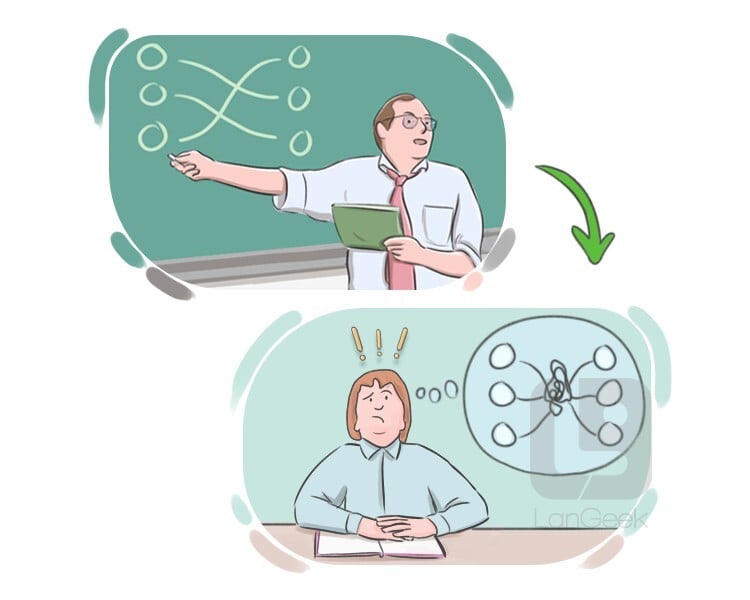
mylić, dezorientować
to make someone uncertain or unclear about something, causing them unable to understand it
Transitive: to confuse sb
Przykłady
The complicated instructions confused the students during the experiment.
Skomplikowane instrukcje zmyliły uczniów podczas eksperymentu.
03
mieszać, komplikować
to make something harder to understand by adding complexity
Transitive: to confuse an issue or process
Przykłady
The new instructions only confused the process, making it harder to follow.
Nowe instrukcje tylko zmyliły proces, utrudniając jego śledzenie.
04
mieszać, plątać
to combine or arrange things in a disorganized or chaotic manner
Transitive: to confuse sth
Przykłady
He confused the puzzle pieces, making it impossible to put it together.
Pomylił elementy układanki, uniemożliwiając jej złożenie.
05
wprawiać w zakłopotanie, dezorientować
to cause someone to feel embarrassed, awkward, or self-conscious
Transitive: to confuse sb
Przykłady
The unexpected compliment confused her, making her blush.
Niespodziewany komplement zmieszał ją, powodując, że się zaczerwieniła.
LanGeek
Pobierz naszą aplikację mobilną

Drzewo Leksykalne
confusable
confused
confusing
confuse

