






























to be
01
である, 存在する
used when naming, or giving description or information about people, things, or situations
Linking Verb: to be [adj] | to be sb/sth | to be to do sth
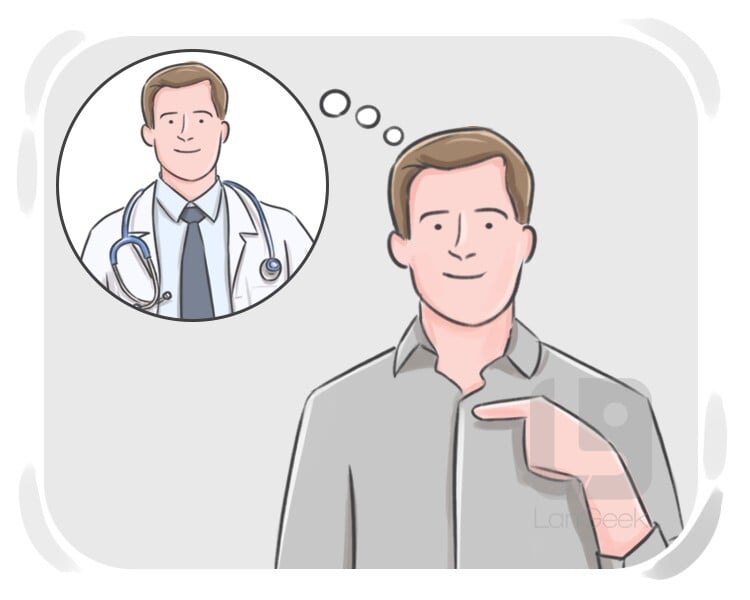
文法情報
形態的構成
単純語
状態動詞
不規則
現在時制
be
三人称単数
is
現在分詞
being
単純過去
was
過去分詞
been
例
Today is her birthday.
今日は彼女の誕生日です。
1.1
である, から成る
used for saying what something is made of
Linking Verb: to be particular constituent parts or material
例
The cake is three layers of deliciousness.
そのケーキはおいしさの三層です。
1.2
である
to express equality between things
Linking Verb: to be sth
例
Two plus two is four.
二足す二は四です。
1.3
かかる, である
used for talking about the cost of something
Linking Verb: to be a particular price

例
'What's the price of the coffee machine?' 'It's $80.'
'コーヒーマシンの価格はいくらですか?' '80ドルです。'
1.4
である, 属する
used for indicating who owns something or who it is meant for
Linking Verb: to be for sb | to be someone's
例
The car in the driveway is Mary's; the other one is mine.
車道の車はメアリーのものです。もう1台は私のものです。
1.5
である, 表す
used for indicating how great the importance of something is to someone
Linking Verb: to be sth | to be [adj]
例
Family was everything to me.
家族は私にとってすべてでした.
02
である
to have an existence
Linking Verb: to be sb/sth

例
Is there a solution to this complex problem?
この複雑な問題に対する解決策はありますか?
03
行われる, 起こる
to happen or take place
Intransitive: to be somewhere | to be point in time
例
The graduation ceremony will be in the auditorium.
卒業式は講堂で行われます。
04
である, する
used for talking about time
Linking Verb: to be a specific time | to be [adj]
例
It's five minutes past nine.
9時5分です。
05
である, する
used for talking about the weather
Linking Verb: to be [adj]
例
It is sunny and warm at the beach today.
今日はビーチで晴れていて暖かい です。
06
行ったことがある
used in the perfect tenses to mean to go or visit
Intransitive: to be somewhere
例
Have you ever been to Paris?
パリに行ったことがありますか?
6.1
いる, 行く
used in the perfect tenses to mean to come or visit
Dialect British
BritishIntransitive
例
The plumber has been to repair the leaky faucet.
配管工が漏れている蛇口を修理するために来ました。
07
である, 言う
used to express what someone has said
例
She was all, "I can't believe you didn't tell me about the party!"
彼女は「パーティーのこと教えてくれなかったなんて信じられない!」って感じだった。
08
いる
(auxiliary) used with the present participle form of a verb in forming progressive tenses
例
She is working on a new project.
彼女は新しいプロジェクトに取り組んでいます.
8.1
である
(auxiliary) used with the past participle form of a verb when forming the passive voice
例
The book was read by thousands of people.
その本は何千人もの人々に読まれました。


