






























to extract
01
抽出する, 取り除く
to take something out from something else, particularly when it is not easy to do
Transitive: to extract sth
文法情報
形態的構成
派生語
動作動詞
規則的
現在時制
extract
三人称単数
extracts
現在分詞
extracting
単純過去
extracted
過去分詞
extracted
例
The dentist had to extract a damaged tooth to relieve the patient's pain.
歯科医は患者の痛みを和らげるために損傷した歯を抜く必要がありました。
02
抽出する, 分離する
to obtain or isolate a specific substance or component by distillation or other methods of separation
Transitive: to extract a substance or component from a source
例
The distiller used a specialized apparatus to extract the pure essential oil from the flowers.
蒸留器は、花から純粋な精油を抽出するために特殊な装置を使用しました。
03
抽出する, 推論する
to obtain or deduce a specific concept by analyzing available data or knowledge
Transitive: to extract information
例
The researcher analyzed the data collected from the experiments to extract insights about the relationship between variables.
研究者は、変数間の関係についての洞察を抽出するために、実験から収集したデータを分析しました。
04
抽出する, 引き出す
to use pressure, manipulation, or other means to obtain what is desired
Transitive: to extract sth from sb
例
The ruthless gangster had a reputation for extracting protection money from local businesses.
冷酷なギャングスターは、地元の企業から保護料を搾り取ることで評判だった。
05
抽出する, 選ぶ
to choose and take a specific portion of a text or other media that is deemed noteworthy, relevant, or representative
Transitive: to extract a portion of text or media
例
The professor asked the students to extract a key passage from the novel and analyze its literary devices in their essays.
教授は学生たちに小説から重要な一節を抽出し、その文学的技法をエッセイで分析するよう求めた。
06
抽出する, 根を計算する
(in mathematics) to find the value of a root, such as a square root or cube root, of a given number
Transitive: to extract a mathematical root
例
To solve the equation x^2 = 25, we must extract the square root of both sides to find the value of x.
方程式 x^2 = 25 を解くためには、x の値を見つけるために両辺の平方根を抽出しなければなりません。
07
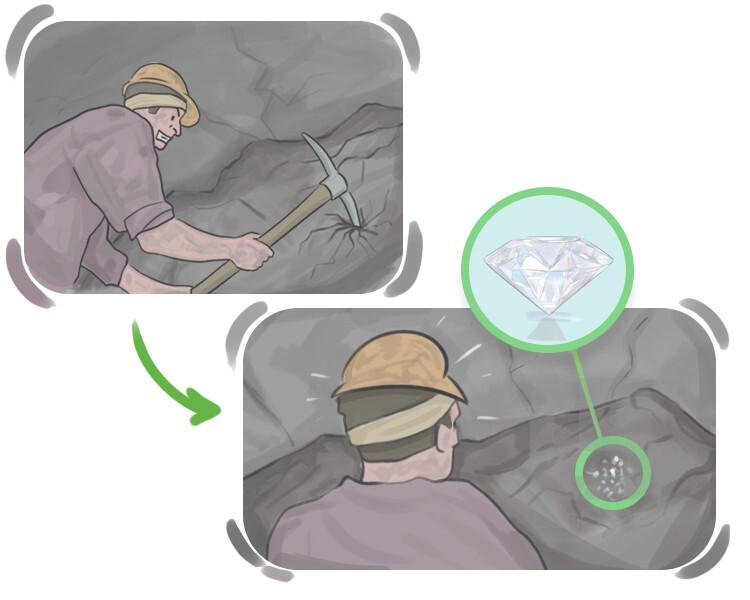
抽出する, 分離する
to obtain or isolate a metal from its naturally occurring source
Transitive: to extract a metal from an ore
例
The mining company uses a smelting process to extract copper from the ore found in the underground mines.
鉱山会社は、地下鉱山で見つかった鉱石から銅を抽出するために溶解プロセスを使用します。
Extract
01
エキス, 抽出物
a concentrated substance derived from a natural source, used to add flavor or fragrance to food, beverages, or other products
文法情報
有生性の状態
無生物
形態的構成
複合語
可算
singular
not gender specific
複数形
extracts
例
Vanilla extract is a popular ingredient in many dessert recipes.
バニラエキスは多くのデザートレシピで人気のある材料です。
02
抜粋, 引用
a short portion or segment taken from a larger work, such as a book, speech, or document
例
The book includes an extract from the author's early writings.
その本には著者の初期の著作からの抜粋が含まれています。
LanGeek
モバイルアプリをダウンロード

語彙ツリー
extraction
extractor
extract

