extract
ext
ˈÉȘkst
ikst
ract
rĂŠkt
rākt
/ÉȘkˈstrĂŠkt/

A(z) „extract” jelentĂ©se Ă©s meghatĂĄrozĂĄsa angolul

to extract
01

kivon, eltĂĄvolĂ­t

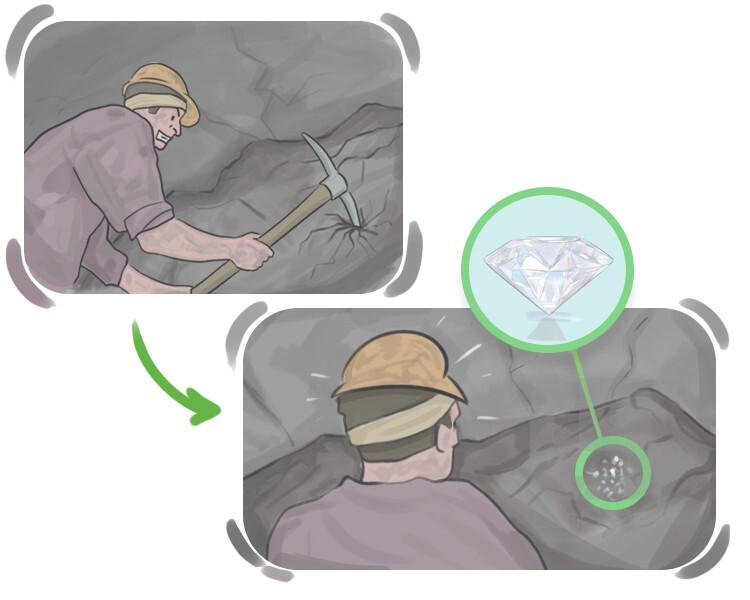
to take something out from something else, particularly when it is not easy to do
Transitive: to extract sth
to extract definition and meaning
Példåk
The archaeologists carefully excavated the site to extract ancient artifacts.
Az archeológusok gondosan feltárták a helyszínt, hogy kivonják az Ƒsi leleteket.
02

kivon, elvĂĄlaszt

to obtain or isolate a specific substance or component by distillation or other methods of separation
Transitive: to extract a substance or component from a source
Példåk
The chemist employed a solvent extraction technique to extract the active compound from the plant material.
A kĂ©mikus oldĂłszeres kivonĂĄsi technikĂĄt alkalmazott az aktĂ­v vegyĂŒlet kinyerĂ©sĂ©re a növĂ©nyi anyagbĂłl.
03

kinyer, következtet

to obtain or deduce a specific concept by analyzing available data or knowledge
Transitive: to extract information
Példåk
The detective examined the crime scene and extracted crucial evidence that led to the identification of the suspect.
A nyomozĂł megvizsgĂĄlta a bƱnĂŒgyi helyszĂ­nt Ă©s kinyert döntƑ bizonyĂ­tĂ©kokat, amelyek a gyanĂșsĂ­tott azonosĂ­tĂĄsĂĄhoz vezettek.
04

kivon, kicsikar

to use pressure, manipulation, or other means to obtain what is desired
Transitive: to extract sth from sb
Példåk
The hacker employed sophisticated techniques to extract sensitive financial information from unsuspecting individuals.
A hacker kifinomult technikĂĄkat alkalmazott, hogy Ă©rzĂ©keny pĂ©nzĂŒgyi informĂĄciĂłkat kivonjon gyanĂștlan egyĂ©nekbƑl.
05

kivon, kivĂĄlaszt

to choose and take a specific portion of a text or other media that is deemed noteworthy, relevant, or representative
Transitive: to extract a portion of text or media
Példåk
The film critic highlighted a powerful dialogue exchange and extracted it for quotation in their review.
A filmkritikus kiemelt egy erƑteljes pĂĄrbeszĂ©dcsere-t Ă©s kivette azt, hogy idĂ©zze a vĂ©lemĂ©nyĂ©ben.
06

kivon, kiszåmítja a gyököt

(in mathematics) to find the value of a root, such as a square root or cube root, of a given number
Transitive: to extract a mathematical root
Példåk
The mathematician extracted the cube root of 64 to find that it equals 4.
A matematikus kivonta a 64 köbgyökĂ©t, Ă©s azt talĂĄlta, hogy az 4-gyel egyenlƑ.
07

kivon, elvĂĄlaszt

to obtain or isolate a metal from its naturally occurring source
Transitive: to extract a metal from an ore
Példåk
The metallurgist developed a new technique to extract aluminum from bauxite ore with greater efficiency.
A metallurgus Ășj technikĂĄt fejlesztett ki az alumĂ­nium kinyerĂ©sĂ©re a bauxit Ă©rcbƑl nagyobb hatĂ©konysĂĄggal.
01

kivonat, koncentrĂĄtum

a concentrated substance derived from a natural source, used to add flavor or fragrance to food, beverages, or other products
Példåk
The perfume contains rose extract to give it a floral scent.
A parfĂŒm rĂłzsa kivonatot tartalmaz, hogy virĂĄgos illatot adjon neki.
02

kivonat, részlet

a short portion or segment taken from a larger work, such as a book, speech, or document
Példåk
She read an extract from the speech during the ceremony.
Egy rĂ©szletet olvasott fel a beszĂ©dbƑl a ceremĂłnia alatt.
LanGeek
Alkalmazås Letöltése
langeek application

Download Mobile App

App Store