

অনুসন্ধান করুন
অভিধানের ভাষা নির্বাচন করুন





























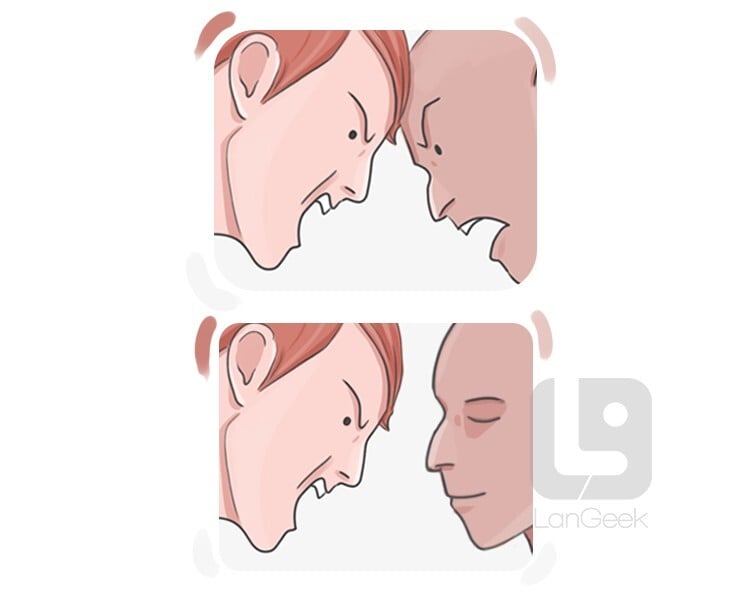
to behave
01
আচরণ করা, কাজ করা
to act in a particular way
ব্যাকরণগত তথ্য
রূপগত গঠন
সরল
কর্মসূচক ক্রিয়া
নিয়মিত
বর্তমান কাল
behave
৩য় পুরুষ একবচন
behaves
বর্তমান কৃদন্ত
behaving
সরল অতীত
behaved
অতীত কৃদন্ত
behaved
উদাহরণ
Despite the challenging situation, he continued to behave calmly.
চ্যালেঞ্জিং পরিস্থিতি সত্ত্বেও, তিনি শান্তভাবে আচরণ করতে থাকেন।
02
আচরণ করা, ব্যবহার করা
to act in a manner that is considered appropriate, well-mannered, or adhering to social norms and rules
উদাহরণ
During the wedding ceremony, the children were instructed to behave themselves.
বিয়ের অনুষ্ঠানের সময়, শিশুদের ভালো আচরণ করার নির্দেশ দেওয়া হয়েছিল।
2.1
আচরণ করা, ভালো আচরণ করা
to request someone to act appropriately or according to expected standards, often used politely
উদাহরণ
"Please behave while we're at the restaurant," his mother gently reminded him.
« দয়া করে রেস্তোরাঁয় থাকাকালীন ভালো আচরণ করো », তার মা তাকে মৃদুভাবে স্মরণ করিয়ে দিলেন।
03
আচরণ করা, প্রতিক্রিয়া করা
(chemistry) to react in a particular way because of the laws
Transitive
উদাহরণ
The compound behaves differently when exposed to high temperatures, following the laws of thermodynamics.
যৌগটি উচ্চ তাপমাত্রার সংস্পর্শে এলে তাপগতিবিদ্যার নিয়ম অনুসরণ করে ভিন্নভাবে আচরণ করে।
LanGeek
আমাদের মোবাইল অ্যাপ ডাউনলোড করুন

শব্দতাত্ত্বিক গাছ
behavior
misbehave
behave

