play out
play
pleÉĒ
plei
out
aƊt
awt
/plˈeÉĒ ËˆaƊt/

āχāĻ‚āϰ⧇āϜāĻŋāϤ⧇ "play out"āĻāϰ āϏāĻ‚āĻœā§āĻžāĻž āĻ“ āĻ…āĻ°ā§āĻĨ

to play out
[phrase form: play]
01

āϘāϟāϤ⧇ āĻĨāĻžāĻ•āĻž, āĻŦāĻŋāĻ•āĻžāĻļ āϞāĻžāĻ­ āĻ•āϰāĻž

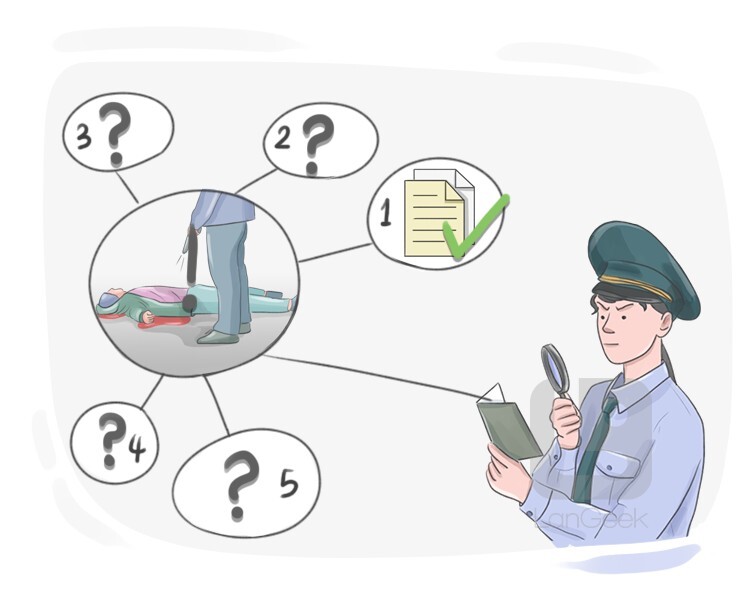
to unfold in a particular way
to play out definition and meaning
āωāĻĻāĻžāĻšāϰāĻŖ
The game played out differently than the coach had predicted.
āϖ⧇āϞāĻžāϟāĻŋ āϕ⧋āϚ āϝāĻž āĻ­āĻŦāĻŋāĻˇā§āϝāĻĻā§āĻŦāĻžāĻŖā§€ āĻ•āϰ⧇āĻ›āĻŋāϞ⧇āύ āϤāĻžāϰ āĻšā§‡āϝāĻŧ⧇ āφāϞāĻžāĻĻāĻžāĻ­āĻžāĻŦ⧇ āϖ⧇āϞ⧇āϛ⧇āĨ¤
02

āĻļ⧇āώ āĻšāϝāĻŧ⧇ āϝāĻžāĻ“āϝāĻŧāĻž, āĻļāĻ•ā§āϤāĻŋ āĻšāĻžāϰāĻžāύ⧋

to gradually lose energy or resources until nothing remains or effectiveness is lost
āωāĻĻāĻžāĻšāϰāĻŖ
In the final stretch of the marathon, many runners play out and find it hard to finish.
āĻŽā§āϝāĻžāϰāĻžāĻĨāύ⧇āϰ āĻļ⧇āώ āĻĒāĻ°ā§āϝāĻžāϝāĻŧ⧇, āĻ…āύ⧇āĻ• āĻĻ⧌āĻĄāĻŧāĻŦāĻŋāĻĻ āĻ•ā§āϞāĻžāĻ¨ā§āϤ āĻšāϝāĻŧ⧇ āĻĒāĻĄāĻŧ⧇ āĻāĻŦāĻ‚ āĻļ⧇āώ āĻ•āϰāĻž āĻ•āĻ āĻŋāύ āĻŽāύ⧇ āĻ•āϰ⧇āĨ¤
03

āĻļ⧇āώ āĻšāĻ“āϝāĻŧāĻž, āϏāĻŽāĻžāĻĒā§āϤāĻŋ āϞāĻžāĻ­ āĻ•āϰāĻž

to come to an end
āωāĻĻāĻžāĻšāϰāĻŖ
The intense game played out with a last-minute goal, securing victory for the underdog team.
āϤ⧀āĻŦā§āϰ āϖ⧇āϞāĻž āĻļ⧇āώ āĻšāϝāĻŧ⧇āĻ›āĻŋāϞ āĻļ⧇āώ āĻŽāĻŋāύāĻŋāĻŸā§‡āϰ āĻ—ā§‹āϞ āĻĻāĻŋāϝāĻŧ⧇, āφāĻ¨ā§āĻĄāĻžāϰāĻĄāĻ— āĻĻāϞ⧇āϰ āϜāĻ¨ā§āϝ āϜāϝāĻŧ āύāĻŋāĻļā§āϚāĻŋāϤ āĻ•āϰ⧇āĨ¤
04

āĻļ⧇āώ āĻĒāĻ°ā§āϝāĻ¨ā§āϤ āϏāĻŽā§āĻĒāĻžāĻĻāύ āĻ•āϰāĻž, āĻļ⧇āώ āĻĒāĻ°ā§āϝāĻ¨ā§āϤ āϖ⧇āϞāĻž

to carry out something to completion
āωāĻĻāĻžāĻšāϰāĻŖ
No matter the odds, she was determined to play the game out to its conclusion.
āϏāĻŽā§āĻ­āĻžāĻŦāύāĻž āϝāĻžāχ āĻšā§‹āĻ• āύāĻž āϕ⧇āύ, āϏ⧇ āϖ⧇āϞāĻžāϟāĻŋ āϤāĻžāϰ āωāĻĒāϏāĻ‚āĻšāĻžāϰ āĻĒāĻ°ā§āϝāĻ¨ā§āϤ āϖ⧇āϞāϤ⧇ āĻĻ⧃āĻĸāĻŧāĻĒā§āϰāϤāĻŋāĻœā§āĻž āĻ›āĻŋāϞāĨ¤
05

āĻļ⧇āώ āĻ•āϰāĻž, āĻŦā§āϝāĻŦāĻšāĻžāϰ āĻ•āϰāĻž

to use energy or resources completely
āωāĻĻāĻžāĻšāϰāĻŖ
Excessive logging played out the forest's resources within a decade.
āĻ…āĻ¤ā§āϝāϧāĻŋāĻ• āĻ•āĻžāĻ  āĻ•āĻžāϟāĻž āĻāĻ• āĻĻāĻļāϕ⧇āϰ āĻŽāĻ§ā§āϝ⧇ āĻŦāύ⧇āϰ āϏāĻŽā§āĻĒāĻĻ āĻĢ⧁āϰāĻŋāϝāĻŧ⧇ āĻĻāĻŋāϝāĻŧ⧇āϛ⧇āĨ¤
06

āĻĒā§āϰāĻ•āĻžāĻļ āĻ•āϰāĻž, āϧ⧀āϰ⧇ āϧ⧀āϰ⧇ āĻŽā§āĻ•ā§āϤāĻŋ āĻĻ⧇āĻ“āϝāĻŧāĻž

to release something over a period of time, often in a controlled manner
āωāĻĻāĻžāĻšāϰāĻŖ
The marketing team preferred to play out hints about the upcoming campaign to maintain suspense among the audience.
āĻŽāĻžāĻ°ā§āϕ⧇āϟāĻŋāĻ‚ āĻĻāϞāϟāĻŋ āφāĻ—āϤ āĻĒā§āϰāϚāĻžāϰāĻŖāĻž āϏāĻŽā§āĻĒāĻ°ā§āϕ⧇ āχāĻ™ā§āĻ—āĻŋāϤāϗ⧁āϞāĻŋ āϧ⧀āϰ⧇ āϧ⧀āϰ⧇ āĻĒā§āϰāĻ•āĻžāĻļ āĻ•āϰāϤ⧇ āĻĒāĻ›āĻ¨ā§āĻĻ āĻ•āϰ⧇āĻ›āĻŋāϞ āϝāĻžāϤ⧇ āĻļā§āϰ⧋āϤāĻžāĻĻ⧇āϰ āĻŽāĻ§ā§āϝ⧇ āϏāĻžāϏāĻĒ⧇āĻ¨ā§āϏ āĻŦāϜāĻžāϝāĻŧ āĻĨāĻžāϕ⧇āĨ¤
07

āĻĒā§āϰāĻ•āĻžāĻļ āĻ•āϰāĻž, āĻ…āĻ­āĻŋāύāϝāĻŧ āĻ•āϰāĻž

to express one's emotions, dreams, etc. by pretending that a specific situation is actually happening
āωāĻĻāĻžāĻšāϰāĻŖ
Children often play out their fantasies by pretending to be characters from their favorite stories.
āĻļāĻŋāĻļ⧁āϰāĻž āĻĒā§āϰāĻžāϝāĻŧāχ āϤāĻžāĻĻ⧇āϰ āĻĒā§āϰāĻŋāϝāĻŧ āĻ—āĻ˛ā§āĻĒ⧇āϰ āϚāϰāĻŋāĻ¤ā§āϰāϗ⧁āϞāĻŋ āĻšāĻ“āϝāĻŧāĻžāϰ āĻ­āĻžāύ āĻ•āϰ⧇ āϤāĻžāĻĻ⧇āϰ āĻ•āĻ˛ā§āĻĒāύāĻžāϗ⧁āϞāĻŋ āϖ⧇āϞ⧇āĨ¤
08

āĻļ⧇āώ āĻšāϝāĻŧ⧇ āϝāĻžāĻ“āϝāĻŧāĻž, āĻŦāĻŋāϰāĻ•ā§āϤāĻŋāĻ•āϰ āĻšāϝāĻŧ⧇ āĻ“āĻ āĻž

(of a thing) to get boring because one has used or seen it too often
āωāĻĻāĻžāĻšāϰāĻŖ
Once a trendy fashion style, it eventually played out and lost its popularity.
āĻāĻ•āϏāĻŽāϝāĻŧ⧇āϰ āĻāĻ•āϟāĻŋ āĻŸā§āϰ⧇āĻ¨ā§āĻĄāĻŋ āĻĢā§āϝāĻžāĻļāύ āĻ¸ā§āϟāĻžāχāϞ, āĻļ⧇āώ āĻĒāĻ°ā§āϝāĻ¨ā§āϤ āĻāϟāĻŋ āĻĒ⧁āϰāĻžāύ⧋ āĻšāϝāĻŧ⧇ āϗ⧇āϛ⧇ āĻāĻŦāĻ‚ āĻāϰ āϜāύāĻĒā§āϰāĻŋāϝāĻŧāϤāĻž āĻšāĻžāϰāĻŋāϝāĻŧ⧇āϛ⧇āĨ¤
LanGeek
āĻ…ā§āϝāĻžāĻĒ āĻĄāĻžāωāύāϞ⧋āĻĄ āĻ•āϰ⧁āύ