occupy
occ
ˈɑk
aak
u
jə
yē
py
ˌpaÉĒ
pai
/ˈɒkjƊpˌa‌ÉĒ/

āχāĻ‚āϰ⧇āϜāĻŋāϤ⧇ "occupy"āĻāϰ āϏāĻ‚āĻœā§āĻžāĻž āĻ“ āĻ…āĻ°ā§āĻĨ

01

āĻĻāĻ–āϞ āĻ•āϰāĻž, āĻŦāĻžāϏ āĻ•āϰāĻž

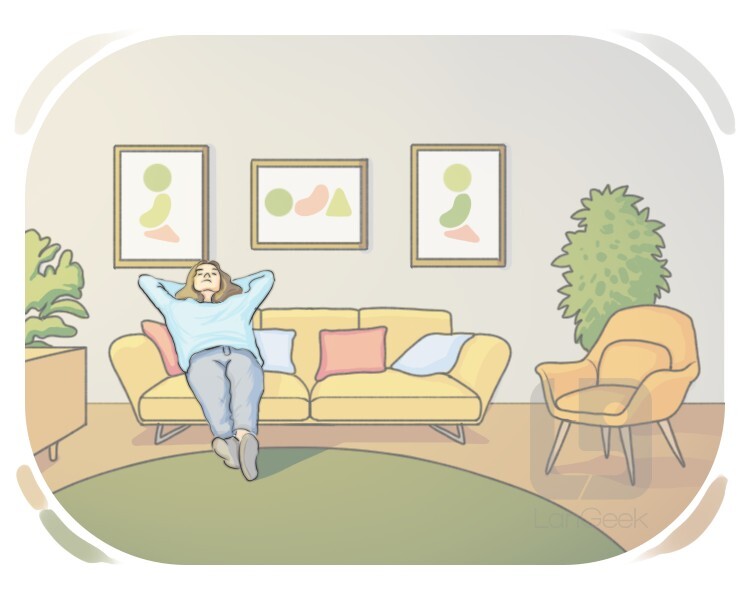
to live in a place that is either rented or owned
Transitive: to occupy a place of residence
to occupy definition and meaning
āωāĻĻāĻžāĻšāϰāĻŖ
After years of traveling, he finally chose to occupy a small apartment in the heart of the city.
āĻŦāĻ›āϰ āϧāϰ⧇ āĻ­ā§āϰāĻŽāϪ⧇āϰ āĻĒāϰ, āϤāĻŋāύāĻŋ āĻ…āĻŦāĻļ⧇āώ⧇ āĻļāĻšāϰ⧇āϰ āĻšā§ƒāĻĻāϝāĻŧ⧇ āĻāĻ•āϟāĻŋ āϛ⧋āϟ āĻ…ā§āϝāĻžāĻĒāĻžāĻ°ā§āϟāĻŽā§‡āĻ¨ā§āϟ āĻĻāĻ–āϞ āĻ•āϰāĻžāϰ āϏāĻŋāĻĻā§āϧāĻžāĻ¨ā§āϤ āύ⧇āύāĨ¤
02

āĻĻāĻ–āϞ āĻ•āϰāĻž

to engage in an activity or task that keeps one's time and attention
Transitive: to occupy oneself | to occupy oneself with sth | to occupy the mind
āωāĻĻāĻžāĻšāϰāĻŖ
To occupy his mind during the long commute, he started listening to educational podcasts and audiobooks.
āĻĻā§€āĻ°ā§āϘ āϝāĻžāĻ¤ā§āϰāĻžāϰ āϏāĻŽāϝāĻŧ āϤāĻžāϰ āĻŽāύāϕ⧇ āĻŦā§āϝāĻ¸ā§āϤ āϰāĻžāĻ–āϤ⧇, āϤāĻŋāύāĻŋ āĻļāĻŋāĻ•ā§āώāĻžāĻŽā§‚āϞāĻ• āĻĒāĻĄāĻ•āĻžāĻ¸ā§āϟ āĻāĻŦāĻ‚ āĻ…āĻĄāĻŋāĻ“āĻŦ⧁āĻ• āĻļā§‹āύāĻž āĻļ⧁āϰ⧁ āĻ•āϰ⧇āĻ›āĻŋāϞ⧇āύāĨ¤
03

āĻĻāĻ–āϞ āĻ•āϰāĻž, āĻĒā§‚āĻ°ā§āĻŖ āĻ•āϰāĻž

to take up, cover, or use the entire space or extent of something
Transitive: to occupy a space
āωāĻĻāĻžāĻšāϰāĻŖ
The expansive garden occupied the backyard, featuring a variety of flowers, shrubs, and a vegetable patch.
āĻŦāĻŋāĻ¸ā§āϤ⧃āϤ āĻŦāĻžāĻ—āĻžāύāϟāĻŋ āĻĒāĻŋāĻ›āύ⧇āϰ āωāĻ ā§‹āύ āĻĻāĻ–āϞ āĻ•āϰ⧇ āύāĻŋāϝāĻŧ⧇āĻ›āĻŋāϞ, āϝ⧇āĻ–āĻžāύ⧇ āĻŦāĻŋāĻ­āĻŋāĻ¨ā§āύ āϧāϰāύ⧇āϰ āĻĢ⧁āϞ, āϗ⧁āĻ˛ā§āĻŽ āĻāĻŦāĻ‚ āĻāĻ•āϟāĻŋ āϏāĻŦāϜāĻŋ āĻĒā§āϝāĻžāϚ āĻ›āĻŋāϞāĨ¤
04

āĻĻāĻ–āϞ āĻ•āϰāĻž, āφāĻ•ā§āϰāĻŽāĻŖ āĻ•āϰāĻž

to come to power and control in a place using military force
Transitive: to occupy a place
āωāĻĻāĻžāĻšāϰāĻŖ
During the war, enemy forces managed to occupy strategic regions.
āϝ⧁āĻĻā§āϧ⧇āϰ āϏāĻŽāϝāĻŧ, āĻļāĻ¤ā§āϰ⧁ āĻŦāĻžāĻšāĻŋāύ⧀ āĻ•ā§ŒāĻļāϞāĻ—āϤ āĻ…āĻžā§āϚāϞāϗ⧁āϞāĻŋ āĻĻāĻ–āϞ āĻ•āϰāϤ⧇ āϏāĻ•ā§āώāĻŽ āĻšāϝāĻŧ⧇āĻ›āĻŋāϞāĨ¤
05

āĻĻāĻ–āϞ āĻ•āϰāĻž, āφāĻ•āĻ°ā§āώāĻŖ āĻ•āϰāĻž

to take up all of a person's attention, effort, or time
Transitive: to occupy one's time or thoughts
āωāĻĻāĻžāĻšāϰāĻŖ
As a new parent, the responsibilities of caring for a newborn began to occupy most of their waking hours.
āĻāĻ•āϜāύ āύāϤ⧁āύ āĻ…āĻ­āĻŋāĻ­āĻžāĻŦāĻ• āĻšāĻŋāϏāĻžāĻŦ⧇, āĻāĻ•āϟāĻŋ āύāĻŦāϜāĻžāϤāϕ⧇āϰ āϝāĻ¤ā§āύ āύ⧇āĻ“āϝāĻŧāĻžāϰ āĻĻāĻžāϝāĻŧāĻŋāĻ¤ā§āĻŦ āϤāĻžāĻĻ⧇āϰ āϜāĻžāĻ—ā§āϰāϤ āϏāĻŽāϝāĻŧ⧇āϰ āĻŦ⧇āĻļāĻŋāϰāĻ­āĻžāĻ— āĻĻāĻ–āϞ āĻ•āϰāϤ⧇ āĻļ⧁āϰ⧁ āĻ•āϰ⧇āĨ¤
06

āĻĻāĻ–āϞ āĻ•āϰāĻž, āύ⧇āĻ“āϝāĻŧāĻž

(of an activity, event, task) to take up a certain amount of time
Transitive: to occupy a period of time
āωāĻĻāĻžāĻšāϰāĻŖ
The renovation of the house is expected to occupy the entire summer.
āĻŦāĻžāĻĄāĻŧāĻŋāϰ āϏāĻ‚āĻ¸ā§āĻ•āĻžāϰ āϏāĻŽā§āĻĒā§‚āĻ°ā§āĻŖ āĻ—ā§āϰ⧀āĻˇā§āĻŽ āĻ—ā§āϰāĻšāĻŖ āĻ•āϰāϤ⧇ āĻĒāĻžāϰ⧇ āĻŦāϞ⧇ āφāĻļāĻž āĻ•āϰāĻž āĻšāĻšā§āϛ⧇āĨ¤
07

āĻĻāĻ–āϞ āĻ•āϰāĻž, āĻ—ā§āϰāĻšāĻŖ āĻ•āϰāĻž

to take on a particular role, position, or responsibility
Transitive: to occupy a role or position
āωāĻĻāĻžāĻšāϰāĻŖ
The seasoned professor was invited to occupy the prestigious role of the keynote speaker at the academic conference.
āĻ…āĻ­āĻŋāĻœā§āĻž āĻ…āĻ§ā§āϝāĻžāĻĒāĻ•āϕ⧇ āĻāĻ•āĻžāĻĄā§‡āĻŽāĻŋāĻ• āϏāĻŽā§āĻŽā§‡āϞāύ⧇ āĻŽā§‚āϞ āĻŦāĻ•ā§āϤāĻžāϰ prestigious āĻ­ā§‚āĻŽāĻŋāĻ•āĻž āĻ—ā§āϰāĻšāĻŖ āĻ•āϰāĻžāϰ āϜāĻ¨ā§āϝ āφāĻŽāĻ¨ā§āĻ¤ā§āϰāĻŖ āϜāĻžāύāĻžāύ⧋ āĻšāϝāĻŧ⧇āĻ›āĻŋāϞāĨ¤

āĻļāĻŦā§āĻĻāϤāĻžāĻ¤ā§āĻ¤ā§āĻŦāĻŋāĻ• āĻ—āĻžāĻ›

occupied
occupier
preoccupy
occupy
App
LanGeek
āĻ…ā§āϝāĻžāĻĒ āĻĄāĻžāωāύāϞ⧋āĻĄ āĻ•āϰ⧁āύ