

Szukaj





























Wound
01
rana, uraz
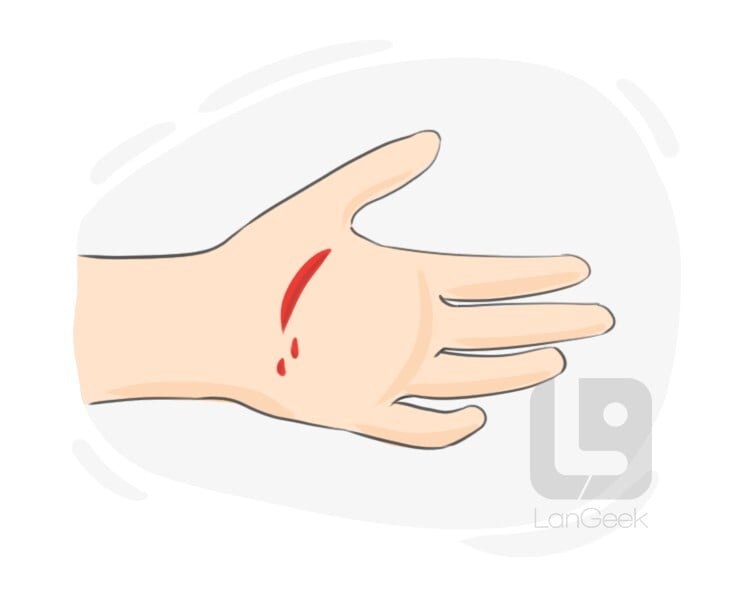
an injury inflicted on the body especially one that seriously damages the skin or the flesh
informacje gramatyczne
status żywotności
nieżywotny
budowa morfologiczna
prosty
policzalny
singular
not gender specific
forma liczby mnogiej
wounds
Przykłady
The soldier had a deep wound on his leg from the battle.
Żołnierz miał głęboką ranę na nodze od bitwy.
1.1
rana, uraz
hurt feelings or damage to one's pride
Przykłady
His harsh words left a deep wound that took years to heal.
Jego ostre słowa pozostawiły głęboką ranę, której gojenie zajęło lata.
02
rana, uraz
the act of causing an injury to someone
Przykłady
He inflicted a wound with a sword during the duel.
Zadał ranę mieczem podczas pojedynku.
to wound
01
zranić, spowodować ranę
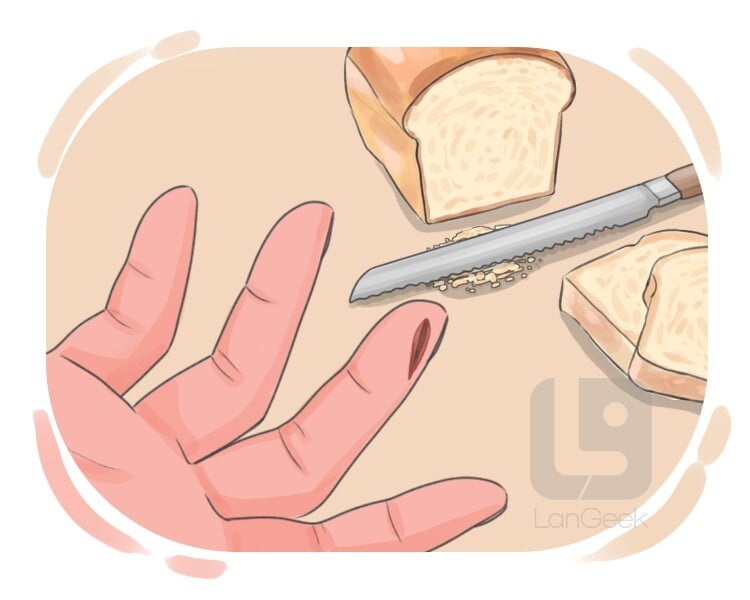
to cause physical harm or injury to someone
Transitive: to wound sb/sth
informacje gramatyczne
budowa morfologiczna
prosty
czasownik czynnościowy
regularny
czas teraźniejszy
wound
3. osoba liczby pojedynczej
wounds
imiesłów czynny
wounding
czas przeszły prosty
wounded
imiesłów bierny
wounded
Przykłady
Carelessness with sharp objects can easily wound a person.
Niedbalstwo z ostrymi przedmiotami może łatwo zranić osobę.
02
zranić, urazić
to cause emotional pain or hurt someone’s feelings
Transitive: to wound a person or their feelings
Przykłady
Her dismissive remark wounded his pride.
Jej lekceważąca uwaga zraniła jego dumę.
wound
01
nawinięty, nawinięty
twisted or coiled (like a rope, wire, or spring)
informacje gramatyczne
budowa morfologiczna
przymiotnik od imiesłowu biernego
jakościowy
stopień najwyższy
most wound
stopień wyższy
more wound
stopniowalne
dziedzina
objects, shape, arrangement
Przykłady
The wound rope was neatly stacked in the storage room.
Nawinięta lina była schludnie ułożona w magazynie.
LanGeek


