






























Handicap
01
障害
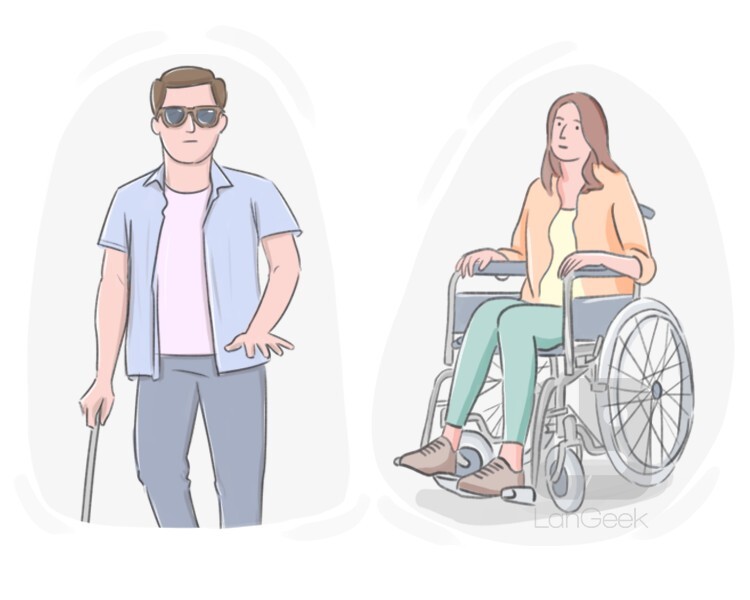
a condition that impairs a person's mental or physical functions
文法情報
有生性の状態
抽象的
形態的構成
複合語
可算
singular
not gender specific
複数形
handicaps
02
ハンディキャップ, 補償的不利
a set of rules or conditions that are put in place to balance the game and give a disadvantaged player a better chance of winning
03
ハンディキャップ, 障害
something immaterial that interferes with or delays action or progress
04
ハンディキャップ, ハンディキャップ指数
a numerical measure of a golf player's ability, used to level the playing field in competition
例
Players with a lower handicap are expected to perform better in tournaments.
ハンディキャップが低いプレイヤーは、トーナメントでより良い成績を収めることが期待されています。
to handicap
01
妨げる, 弱らせる
to weaken or hinder someone's ability, often by causing them to become disabled or less capable
文法情報
形態的構成
派生語
動作動詞
規則的
現在時制
handicap
三人称単数
handicaps
現在分詞
handicapping
単純過去
handicapped
過去分詞
handicapped
例
The injury handicapped him, making it difficult to perform daily tasks.
そのけがは彼を障害者にし、日常の作業を困難にした。
02
不利な立場に置く, 妨げる
put at a disadvantage
03
ハンディキャップをつける, ハンディキャップを設定する
to assign weights to horses in a race based on their perceived ability, in order to equalize their chances of winning
例
They hired a professional to help handicap the challenging race.
彼らは挑戦的なレースをハンディキャップするのを助けるためにプロを雇った。


