time
time
taÉȘm
taim
/taÉȘm/

A(z) „time” jelentĂ©se Ă©s meghatĂĄrozĂĄsa angolul

01

idƑ

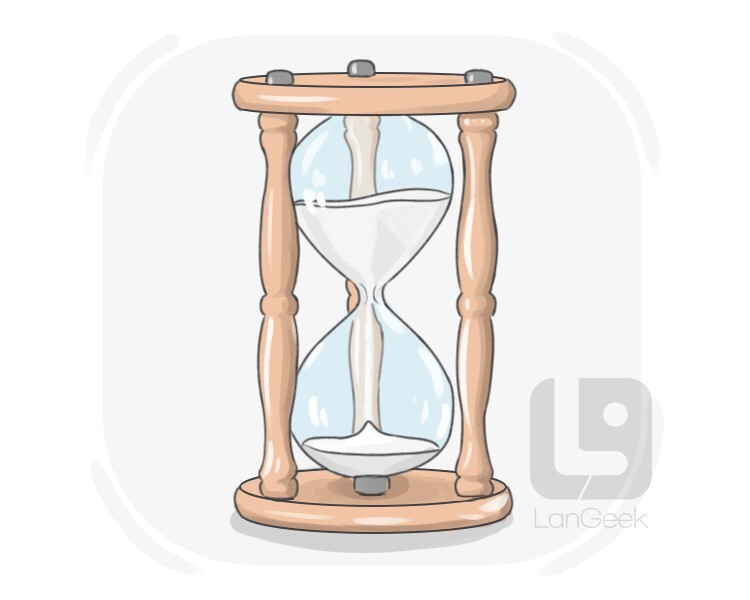
the quantity that is measured in seconds, minutes, hours, etc. using a device like clock
time definition and meaning
Példåk
I 'm always late, I need to work on managing my time better.
Mindig kĂ©sem, dolgoznom kell azon, hogy jobban kezeljem az idƑm.
02

alkalom, pillanat

an instance or occurrence of an action or event, often used to indicate repetition
Példåk
He failed the first time but succeeded the second time.
ElsƑ alkalommal kudarcot vallott, de mĂĄsodik alkalommal sikerĂŒlt.
03

idƑ, lehetƑsĂ©g

a time period that provides an opportunity to do things or accomplish goals
04

idƑ, korszak

an indefinite period characterized by specific attributes or activities
Példåk
She cherished her time at university, filled with learning and friendships.
ÉrtĂ©kelte az egyetemen töltött idejĂ©t, amely tanulĂĄssal Ă©s barĂĄtsĂĄgokkal volt teli.
05

pillanat, alkalom

a suitable moment
06

idƑ

the continuum of experience in which events pass from the future through the present to the past
07

pillanat, tapasztalat

a person's experience on a particular occasion
08

idƑ, negyedik dimenzió

the fourth coordinate that is required (along with three spatial dimensions) to specify a physical event
09

idƑ

rhythm as given by division into parts of equal duration
10

idƑ, bĂŒntetĂ©s

the period of time a prisoner is imprisoned
11

szor, többszörös

(plural) used to show multiplication or comparison of quantities
Példåk
She types five times faster than her coworkers.
Öt ször gyorsabban gĂ©pel, mint a munkatĂĄrsai.
12

idƑ, idƑmĂ©rĂ©s

the recorded duration or measurement of how long an event or task takes to complete, often used in sports or competitions to track performance
Példåk
Her best time on the 100-meter sprint was 12.5 seconds.
A legjobb ideje a 100 méteres sprinten 12,5 måsodperc volt.
to time
01

idƑzĂ­t, mĂ©ri az idƑt

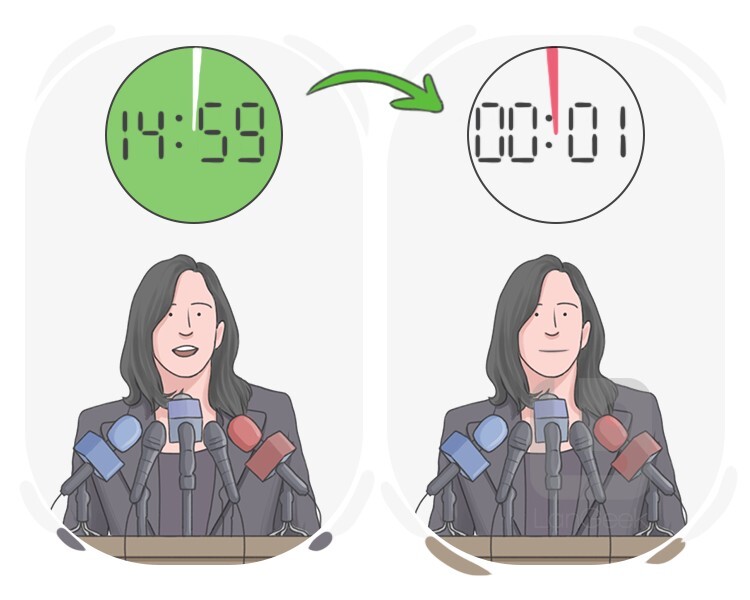
to measure how long an event, action, or someone performing an action takes
Transitive: to time an event or action
to time definition and meaning
Példåk
They timed their run to see if they could beat their previous record.
IdƑmĂ©rtek a futĂĄsukat, hogy lĂĄssĂĄk, megdönthetik-e korĂĄbbi rekordjukat.
02

idƑzĂ­t, összehangol

to decide or organize the specific moment or duration for an event or activity to occur
Transitive: to time an activity
Példåk
They carefully timed the start of the race to ensure all participants were ready.
Gondosan idƑzĂ­tettĂ©k a verseny kezdetĂ©t, hogy minden rĂ©sztvevƑ kĂ©sz legyen.
03

idƑzít, szabályoz

to determine or control the tempo, speed, or length of an activity
Transitive: to time sth
Példåk
By timing the presentation slides, she ensured her delivery was both smooth and engaging.
A prezentĂĄciĂł diĂĄit idƑzĂ­tve biztosĂ­totta, hogy az elƑadĂĄsa sima Ă©s lebilincselƑ legyen.
04

beĂĄllĂ­t, szinkronizĂĄl

to adjust or set a timekeeping device so that it accurately measures time
Transitive: to time a clock or watch
Példåk
The jeweler expertly timed the vintage pocket watch after its repair.
Az ékszerész szakmailag beållította a vintage zsebóråt a javítås utån.
05

idƑzít, szabályoz

to regulate the execution or pace of an action, such as a shot or stroke, so it is performed at the most effective moment
Transitive: to time an action
Példåk
The coach emphasized the importance of timing the serve to catch the opponent off guard.
Az edzƑ hangsĂșlyozta a idƑzĂ­tĂ©s fontossĂĄgĂĄt a kiszolgĂĄlĂĄsnĂĄl, hogy meglepetĂ©ssel Ă©rje az ellenfelet.
LanGeek
Alkalmazås Letöltése
langeek application

Download Mobile App

App Store