time
time
taɪm
taim
limemimedimerime

Definice a význam slova „time“ v angličtině

01

čas

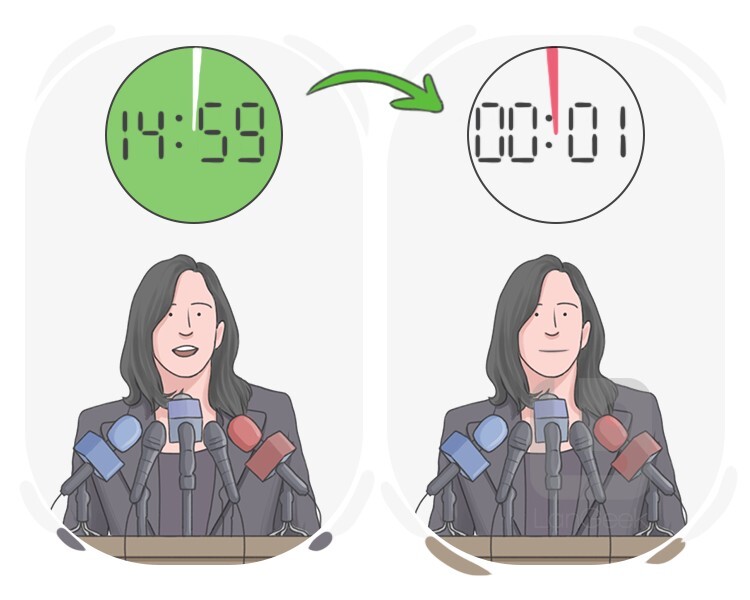
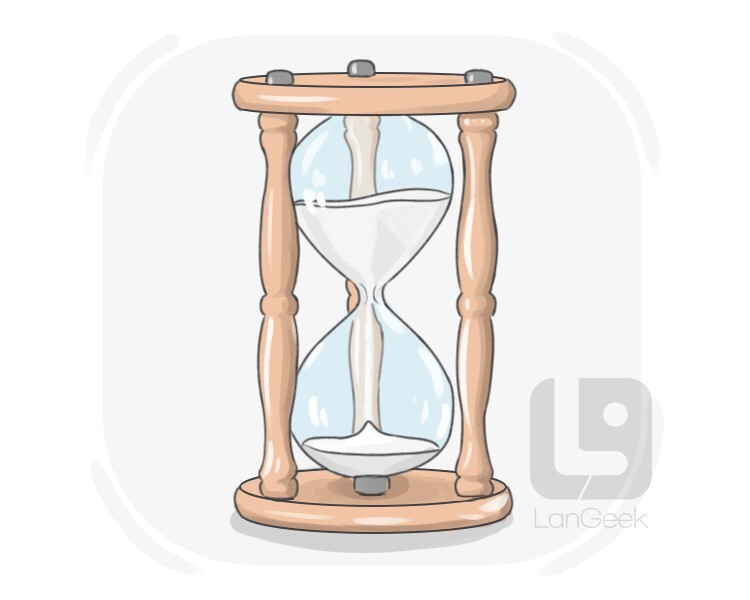
the quantity that is measured in seconds, minutes, hours, etc. using a device like clock 
time definition and meaning
gramatické informace
stav životnosti
abstraktní
morfologické složení
jednoduché
nepočitatelné
Příklady
I need more time to complete this project. 

Potřebuji více času, abych dokončil tento projekt.

02

krát, okamžik

an instance or occurrence of an action or event, often used to indicate repetition 
Příklady
Stir the mixture three times to ensure it blends evenly. 

Směs promíchejte třikrát, abyste zajistili, že se rovnoměrně promíchá.

03

čas, příležitost

a time period that provides an opportunity to do things or accomplish goals 
04

doba, éra

an indefinite period characterized by specific attributes or activities 
Příklady
It was a time of great change and innovation in the industry. 

Byla to doba velkých změn a inovací v průmyslu.

05

okamžik, příležitost

a suitable moment 
06

čas

the continuum of experience in which events pass from the future through the present to the past 
07

okamžik, zkušenost

a person's experience on a particular occasion 
08

čas, čtvrtá dimenze

the fourth coordinate that is required (along with three spatial dimensions) to specify a physical event 
09

čas

rhythm as given by division into parts of equal duration 
10

čas, trest

the period of time a prisoner is imprisoned 
11

krát, násobek

(plural) used to show multiplication or comparison of quantities 
Příklady
This rope is three times longer than that one. 

Toto lano je třikrát delší než to.

12

čas, měření času

the recorded duration or measurement of how long an event or task takes to complete, often used in sports or competitions to track performance 
Příklady
He set a new time of 2:00:45 in the marathon, breaking the previous record. 

Stanovil nový čas 2:00:45 v maratonu, čímž překonal předchozí rekord.

to time
01

měřit čas, časovat

to measure how long an event, action, or someone performing an action takes 
Transitive: to time an event or action
to time definition and meaning
gramatické informace
morfologické složení
jednoduché
dějové sloveso
pravidelné
přítomný čas
time
3. osoba jednotného čísla
times
příčestí přítomné
timing
minulý čas prostý
timed
příčestí minulé
timed
Příklady
She timed her speech to ensure it fit within the allotted slot. 

Načasovala svůj projev, aby se ujistila, že se vejde do přiděleného času.

02

načasovat, synchronizovat

to decide or organize the specific moment or duration for an event or activity to occur 
Transitive: to time an activity
Příklady
She timed the delivery to coincide with her customer’s arrival. 

Načasovala dodávku tak, aby se shodovala s příjezdem jejího zákazníka.

03

načasovat, regulovat

to determine or control the tempo, speed, or length of an activity 
Transitive: to time sth
Příklady
She timed the music perfectly to match the choreography’s rhythm. 

Perfektně načasovala hudbu, aby odpovídala rytmu choreografie.

04

nastavit, synchronizovat

to adjust or set a timekeeping device so that it accurately measures time 
Transitive: to time a clock or watch
Příklady
He timed the watch carefully, ensuring it matched the atomic clock's precision. 

Pečlivě nastavil hodinky, aby odpovídaly přesnosti atomových hodin.

05

načasovat, regulovat

to regulate the execution or pace of an action, such as a shot or stroke, so it is performed at the most effective moment 
Transitive: to time an action
Příklady
She timed her tennis stroke perfectly, sending the ball straight down the line. 

Dokonale načasovala svůj tenisový úder a poslala míč přímo po čáře.

LanGeek
Stáhnout Aplikaci
langeek application

Download Mobile App

App Store