

Szukaj





























to distinguish
01
rozróżniać, odróżniać
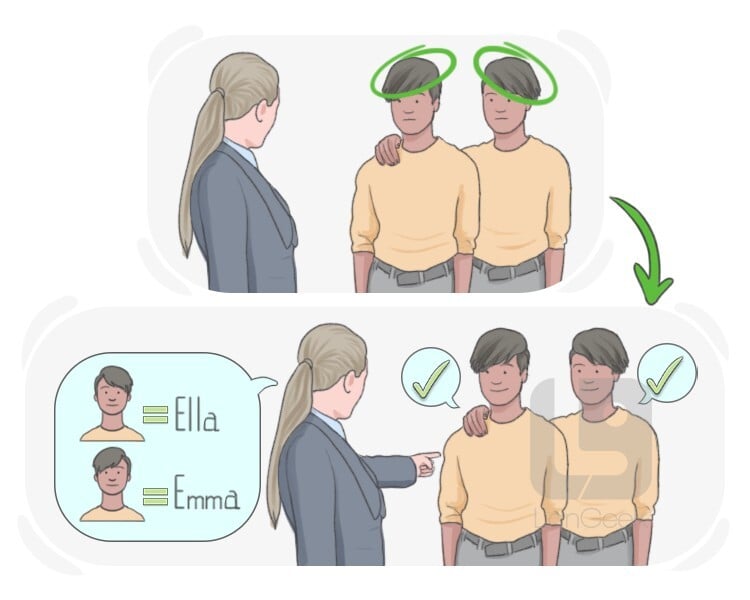
to recognize and mentally separate two things, people, etc.
Transitive: to distinguish between two things or people | to distinguish sb/sth from sb/sth
informacje gramatyczne
budowa morfologiczna
pochodny
czasownik czynnościowy
regularny
czas teraźniejszy
distinguish
3. osoba liczby pojedynczej
distinguishes
imiesłów czynny
distinguishing
czas przeszły prosty
distinguished
imiesłów bierny
distinguished
Przykłady
The detective could distinguish the authentic painting from the clever forgery.
Detektyw potrafił odróżnić autentyczny obraz od sprytnego fałszerstwa.
02
rozróżniać, dostrzegać
to perceive or identify someone or something with clarity
Transitive: to distinguish a shape or sound
Przykłady
In the fog, I could barely distinguish the shapes of the trees.
We mgle ledwo mogłem rozróżnić kształty drzew.
03
wyróżniać
to be the distinctive feature or characteristic between two things, people, etc.
Transitive: to distinguish sb/sth from others
Przykłady
The bright red color distinguishes this car from the others in the lot.
Jaskrawoczerwony kolor wyróżnia ten samochód spośród innych na parkingu.
04
rozróżniać, odróżniać
to sort or divide things into different groups based on their features or qualities
Transitive: to distinguish sb/sth
Przykłady
Scientists distinguish species by examining their genetic traits.
Naukowcy rozróżniają gatunki, badając ich cechy genetyczne.
05
wyróżniać, uwydatniać
to make something conspicuous or noteworthy by discerning it
Transitive: to distinguish sb/sth
Przykłady
The artist distinguished the main character by using bold colors in the painting.
Artysta wyróżnił głównego bohatera, używając śmiałych kolorów w malarstwie.
LanGeek
Pobierz naszą aplikację mobilną

Drzewo Leksykalne
distinguishable
distinguished
distinguish

