Keresés
Vålassza ki a szótår nyelvét
Fire
Példåk
The fire alarm went off, and we evacuated the building.
A tƱzriasztĂł berendezĂ©s megszĂłlalt, Ă©s evakuĂĄltuk az Ă©pĂŒletet.
02
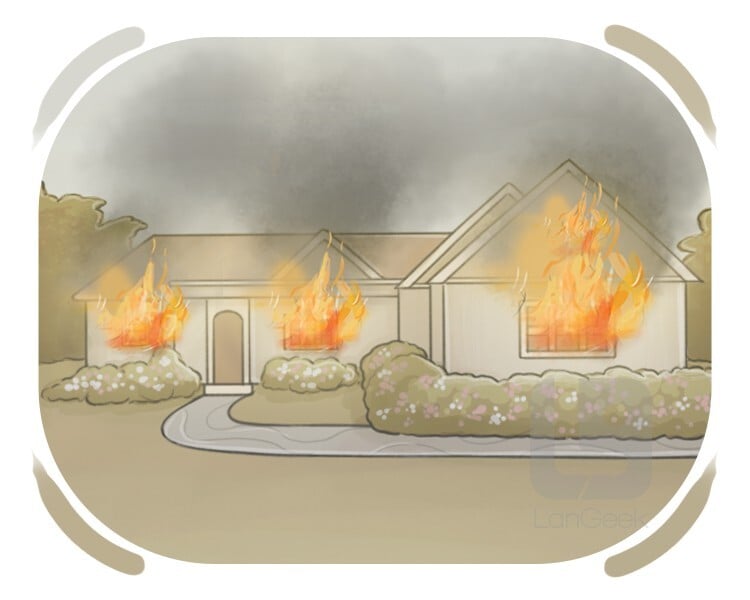
tƱz, tƱzeset
the process of combustion of inflammable materials producing heat and light and (often) smoke
03
tƱz, lövés
the act of firing weapons or artillery at an enemy
04
kandalló, tƱzhely
a fireplace in which a relatively small fire is burning
05
tƱz, szenvedély
feelings of great warmth and intensity
06
tƱz
once thought to be one of four elements composing the universe (Empedocles)
07
tƱz, heves kritika
intense adverse criticism
08
próba, kemény próba
a severe trial
09
tƱz, lång
fuel that is burning and is used as a means for cooking
to fire
01
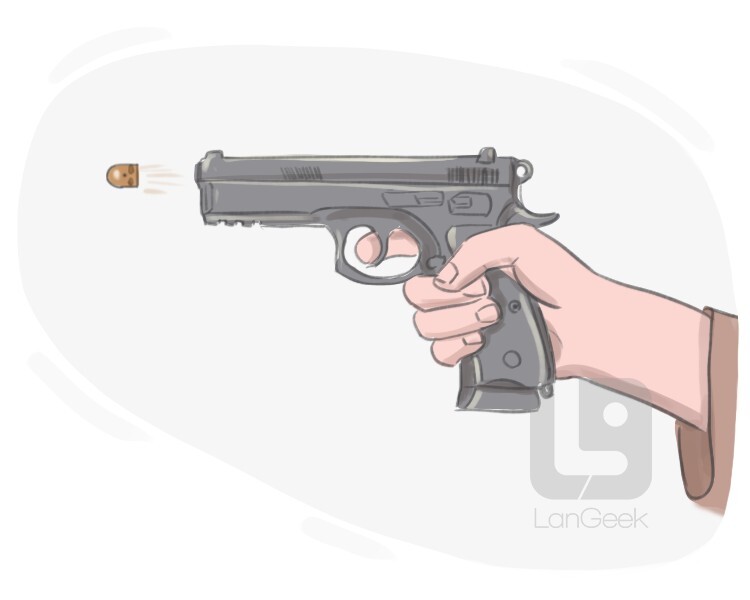
lĆ, tĂŒzel
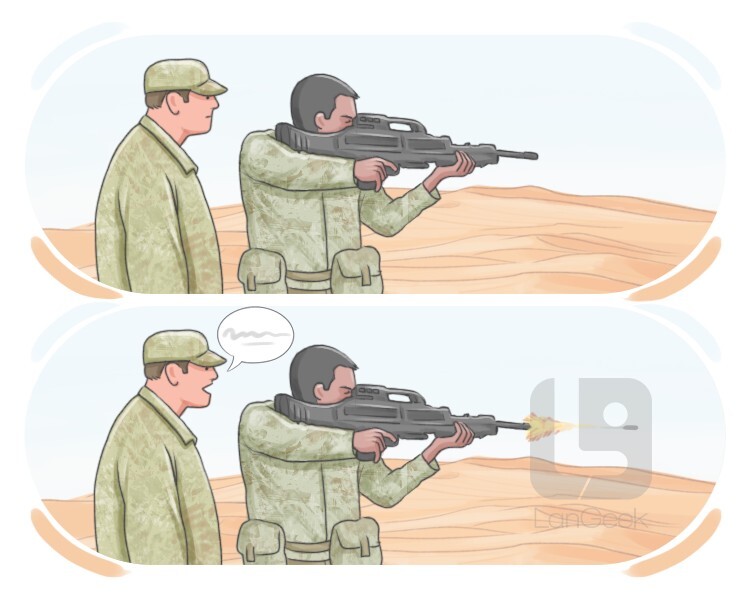
to shoot a bullet, shell, etc. from a weapon
Transitive: to fire a bullet or projectile
Példåk
The soldier fires precise shots during training exercises.
A katona pontos lövéseket ad le a kiképzési gyakorlatok sorån.
02
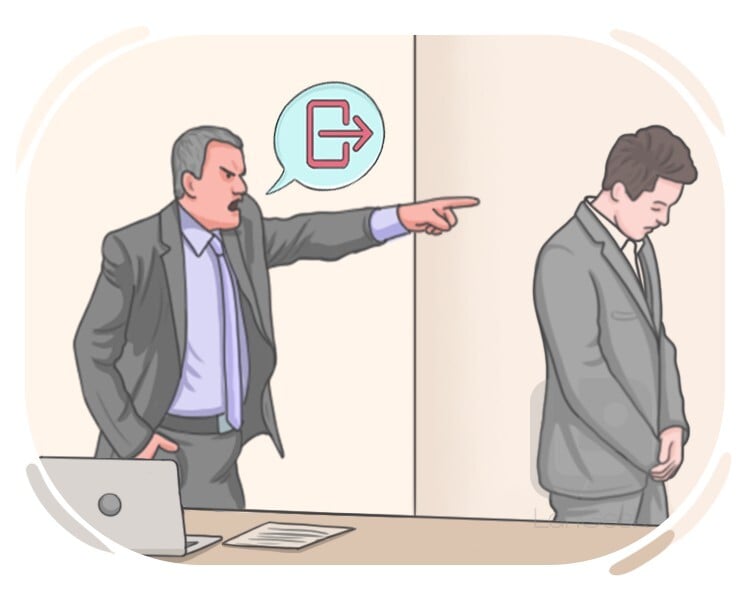
kirĂșg, elbocsĂĄt
to make someone leave their job, position, etc., usually as punishment
Transitive: to fire sb
Példåk
She was afraid they would fire her after the mistake.
FĂ©lt, hogy a hiba utĂĄn kirĂșgjĂĄk.
03
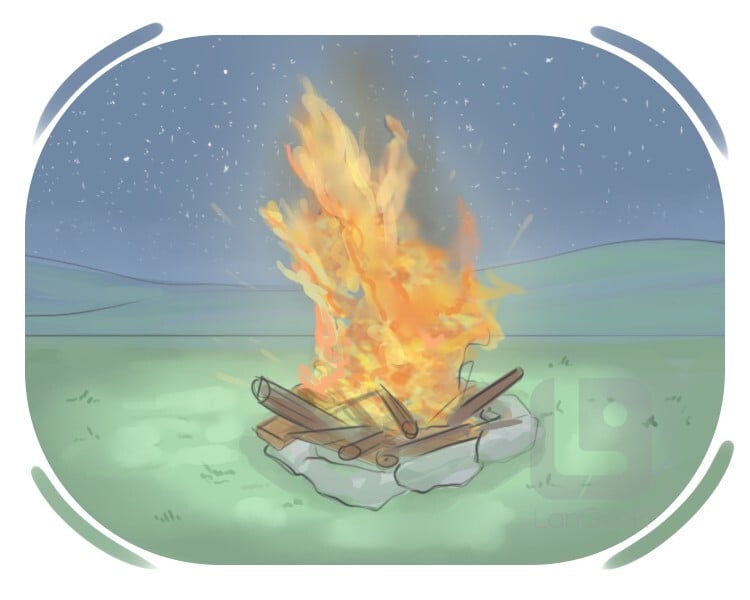
meggyĂșjt, tĂŒzet gyĂșjt
to ignite or start a fire in something
Transitive: to fire sth
Példåk
They used a match to fire the wood for the bonfire.
Egy gyufĂĄt hasznĂĄltak a tĂĄbortƱzhez valĂł fa meggyĂșjtĂĄsĂĄhoz.
04
lĆ, tĂŒzel
to release or shoot a projectile from a gun or other weapon
Transitive: to fire a weapon
Példåk
He hesitated before firing the gun at the intruder.
Habozott, mielĆtt tĂŒzet nyitott a betolakodĂłra.
05
éget, kiéget
to heat a clay object to become hardened, by putting it in a kiln
Transitive: to fire clay objects
Példåk
After shaping the clay, they fired it at a high temperature.
MiutĂĄn megformĂĄztĂĄk az agyagot, magas hĆmĂ©rsĂ©kleten kiĂ©gettĂ©k.
06
tĂŒzel, lĆ
(of a weapon) to be discharged or to release a bullet when the trigger is pulled
Intransitive
Példåk
The rifle fired with a loud bang, startling everyone nearby.
A puska hangos durranĂĄssal tĂŒzelt, megijesztve mindenkit a közelben.
07
felkorbĂĄcsol, inspirĂĄl
to arouse, provoke, or inspire strong emotion, enthusiasm, or imagination
Transitive: to fire an emotion
Példåk
The news of the victory fired the team âs enthusiasm for the next game.
A gyĆzelem hĂre felkeltette a csapat lelkesedĂ©sĂ©t a következĆ mĂ©rkĆzĂ©sre.
08
dob, lĆ
to throw, launch, or direct something with force and speed
Transitive: to fire sth somewhere
Példåk
She fired the rock at the target, hitting it dead center.
Ć kilĆtte a követ a cĂ©lpontra, pontosan a közepĂ©be talĂĄlva.
09
gyullad, elindul
(of the fuel in an engine) to ignite, causing the engine to start running
Intransitive
Példåk
When you turn the key, the engine fires and begins to run.
Amikor megfordĂtod a kulcsot, a motor beindul Ă©s elkezd mƱködni.
10
tĂŒzel, aktivĂĄl
to produce an electrical impulse or contraction in a nerve or muscle cell
Intransitive
Példåk
When you touch something hot, the sensory nerves fire to signal pain.
Amikor valami forrĂłhoz Ă©rsz, az Ă©rzĂ©kelĆ idegek tĂŒzet adnak a fĂĄjdalom jelzĂ©sĂ©re.
11
tĂŒzel, berak
to provide a furnace, engine, etc. with fuel to keep it operating
Transitive: to fire an engine or device
Példåk
To start the machine, they needed to fire it with oil.
A gĂ©p elindĂtĂĄsĂĄhoz olajjal kellett ĂŒzemanyagot szolgĂĄltatniuk.
fire
01
TƱz !, LĆjetek !
used as a command to commence an action, particularly in the context of shooting or initiating a weapon
Példåk
Director giving instructions for a battle scene: " On my mark, fire! "
A rendezĆ utasĂtĂĄsokat ad egy csatajelenethez: "Az Ă©n jelzemre, tƱz!"
fire
Lexikai Fa
misfire
fire