

Hledat





























masculine
01
mužský, maskulinní
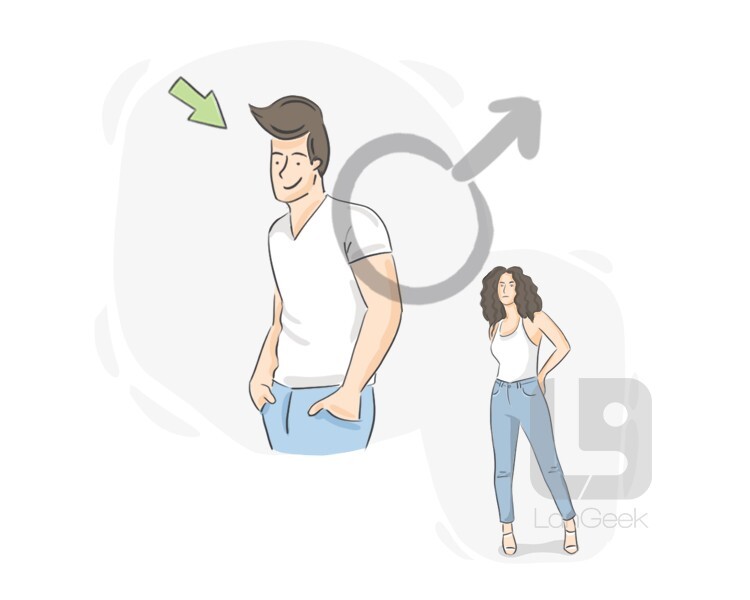
related to qualities, characteristics, or behaviors typically associated with men
Příklady
The masculine physique of the bodybuilder was evident in his strong muscles and broad shoulders.
Mužská postava kulturisty byla zřejmá v jeho silných svalech a širokých ramenou.
02
mužský
(of a language's grammar) referring to males
gramatické informace
morfologické složení
jednoduché
relační
nestupňovatelné
oblast
grammar, gender, linguistics
Příklady
In languages with grammatical gender, such as Spanish or French, nouns like ' el libro' (the book) or 'le garçon' (the boy) are classified as masculine.
V jazycích s gramatickým rodem, jako je španělština nebo francouzština, se podstatná jména jako 'el libro' (kniha) nebo 'le garçon' (chlapec) klasifikují jako mužská.
03
mužský, mužské zakončení
ending on a stressed beat in music or a stressed syllable in poetry
Příklady
The march concluded with a masculine ending.
Pochod skončil mužským zakončením.
Masculine
01
mužský rod, mužský
a grammatical or social gender typically associated with male persons or male-classified objects
gramatické informace
stav životnosti
abstraktní
morfologické složení
složené
počitatelné
singular
not gender specific
tvar množného čísla
masculines
Příklady
In French, "homme" is a masculine.
Ve francouzštině je "homme" mužský rod.
LanGeek


