

অনুসন্ধান করুন
অভিধানের ভাষা নির্বাচন করুন





























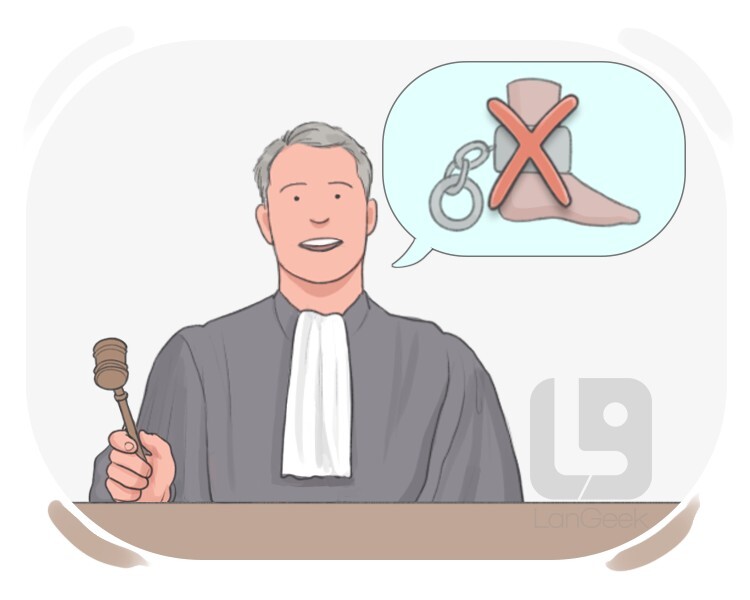
to emancipate
01
মুক্ত করা, দাসত্ব থেকে মুক্ত করা
to free a person from slavery or forced labor
Transitive: to emancipate sb
ব্যাকরণগত তথ্য
রূপগত গঠন
উৎপন্ন
কর্মসূচক ক্রিয়া
নিয়মিত
বর্তমান কাল
emancipate
৩য় পুরুষ একবচন
emancipates
বর্তমান কৃদন্ত
emancipating
সরল অতীত
emancipated
অতীত কৃদন্ত
emancipated
উদাহরণ
The abolitionists worked tirelessly to emancipate those held in bondage.
উন্মূলনবাদীরা অক্লান্ত পরিশ্রম করেছিলেন যারা বন্ধনে ছিলেন তাদের মুক্ত করতে।
02
মুক্ত করা, স্বাধীন করা
to no longer be restricted to legal, political, or social regulations
Transitive: to emancipate sb from a social or legal restriction
উদাহরণ
The new law aimed to emancipate workers from unfair labor practices.
নতুন আইনটি শ্রমিকদের অবিচারমূলক শ্রম অনুশীলন থেকে মুক্ত করার লক্ষ্য ছিল।
03
মুক্ত করা, স্বাধীন করা
to set someone free from the the control of influences, traditions, beliefs, etc.
উদাহরণ
The new generation is emancipating itself from outdated traditions.
নতুন প্রজন্ম নিজেকে পুরানো ঐতিহ্য থেকে মুক্ত করছে।
04
মুক্ত করা, স্বাধীন করা
to free a minor from the control or authority of their parents
উদাহরণ
The court emancipated the teenager so she could make her own decisions.
আদালত কিশোরীটিকে মুক্ত করেছিল যাতে সে নিজের সিদ্ধান্ত নিতে পারে।
LanGeek
আমাদের মোবাইল অ্যাপ ডাউনলোড করুন

শব্দতাত্ত্বিক গাছ
emancipated
emancipation
emancipative
emancipate
emancip

