

Rechercher
Sélectionnez la langue du dictionnaire





























to emancipate
01
émanciper
to free a person from slavery or forced labor
Transitive: to emancipate sb
informations grammaticales
composition morphologique
dérivé
verbe d’action
régulier
présent
emancipate
3e personne du singulier
emancipates
participe présent
emancipating
passé simple
emancipated
participe passé
emancipated
Exemples
The abolitionists worked tirelessly to emancipate those held in bondage.
Les abolitionnistes ont travaillé sans relâche pour émanciper ceux qui étaient tenus en esclavage.
02
émanciper
to no longer be restricted to legal, political, or social regulations
Transitive: to emancipate sb from a social or legal restriction
Exemples
The new law aimed to emancipate workers from unfair labor practices.
La nouvelle loi visait à émanciper les travailleurs des pratiques de travail déloyales.
03
émanciper, libérer
to set someone free from the the control of influences, traditions, beliefs, etc.
Exemples
The new generation is emancipating itself from outdated traditions.
La nouvelle génération s'émancipe des traditions dépassées.
04
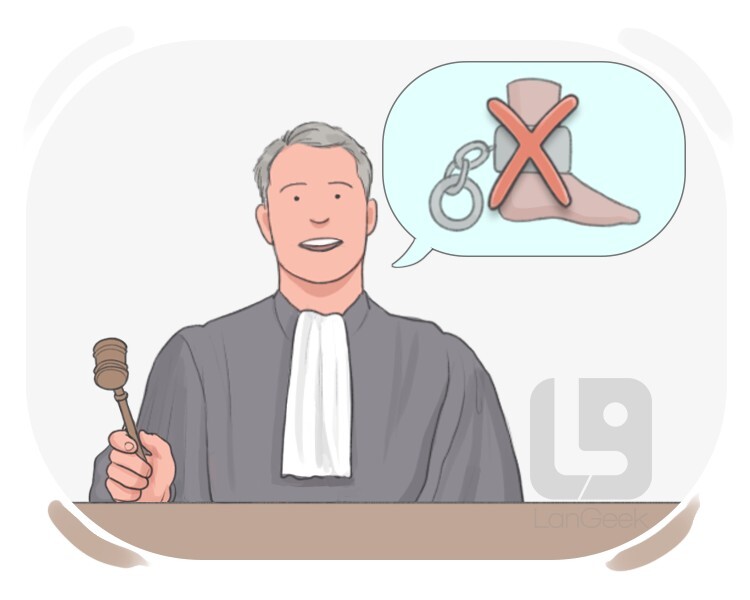
émanciper, affranchir
to free a minor from the control or authority of their parents
Exemples
The court emancipated the teenager so she could make her own decisions.
Le tribunal a émancipé l'adolescente afin qu'elle puisse prendre ses propres décisions.
LanGeek
Téléchargez notre application mobile

Arbre Lexical
emancipated
emancipation
emancipative
emancipate
emancip

