

Search
Select the dictionary language





























to halt
01
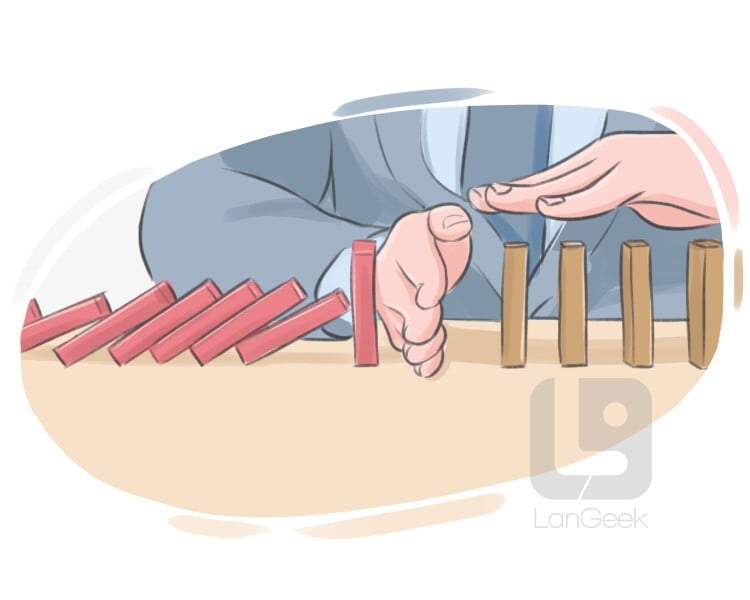
to make someone or something stop
Transitive: to halt sb/sth
Grammatical Information
Composition
Simple
Action verb
Regular
Present tense
halt
3rd person singular
halts
Present participle
halting
Past simple
halted
Past participle
halted
Examples
An unexpected obstacle on the railroad tracks forced the train conductor to halt the locomotive.
02
to a stop moving, usually suddenly or abruptly
Intransitive
Examples
The train began to halt as it approached the crowded station.
03
to stop or bring an activity, process, or operation to an end
Transitive: to halt a process or activity
Examples
The company decided to halt the production of the outdated model.
Halt
Grammatical Information
Animacy status
Abstract
Composition
Simple
Countable
singular
not gender specific
Plural form
halts
Examples
The train came to a sudden halt at the station, allowing passengers to board.
02
the occurrence of something coming to a complete stop or conclusion
Examples
The ceasefire marked the halt of hostilities in the region.
03
the condition of being inactive, stationary, or at rest, typically following an interruption
Examples
The river was in a halt during the drought, with little visible flow.
halt
01
having impaired or disabled feet or legs
Grammatical Information
Composition
Simple
qualitative
Superlative
haltest
Comparative
halter
gradable
domain
health, animals, mobility
Examples
The horse was old and halt, barely able to stand.


