

Pesquisar
Selecione o idioma do dicionário





























to get at
01
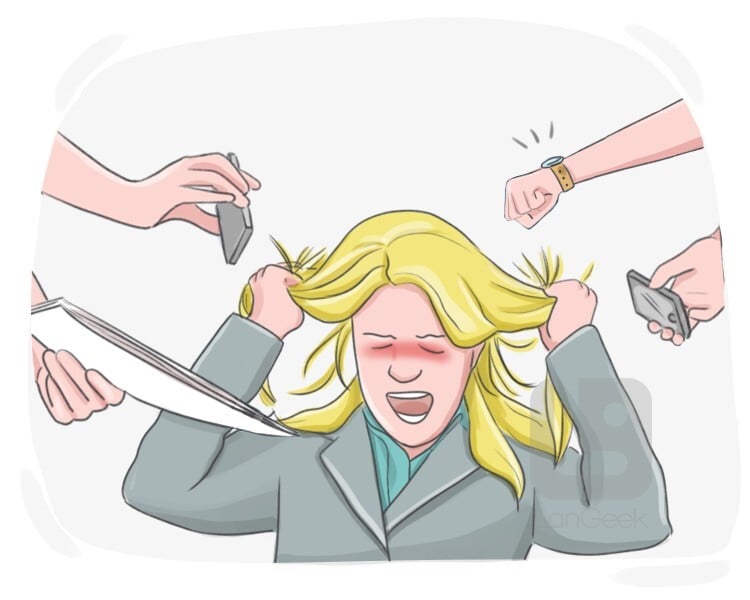
incomodar, irritar
to cause irritation or annoyance to someone
Transitive: to get at sb
informações gramaticais
composição morfológica
frasal
verbo de ação
regular
inseparável
partícula
at
verbo base
get
presente
get at
3.ª pessoa do singular
gets at
particípio presente
getting at
pretérito simples
got at
particípio passado
gotten at
Exemplos
The constant noise from the construction site next door really gets at me.
O barulho constante do canteiro de obras ao lado realmente me irrita.
02
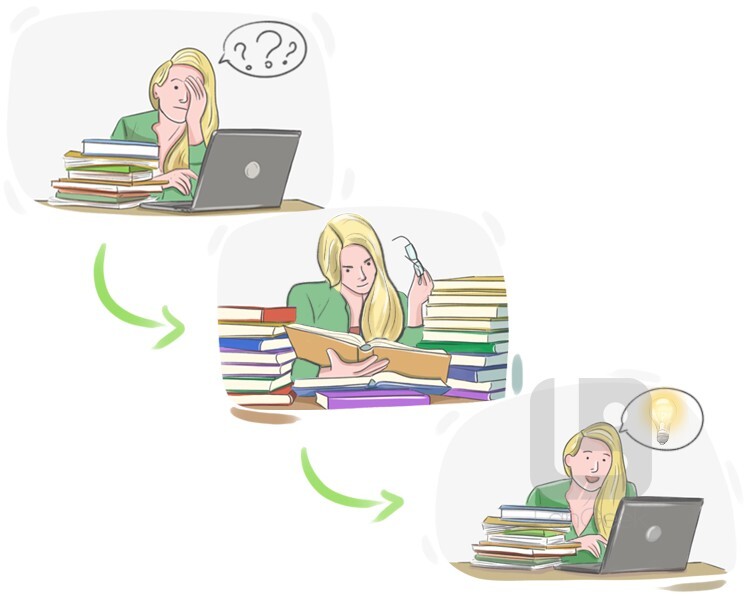
entender, compreender
to reach an understanding of something through questioning, investigation, or analysis
Transitive: to get at sth
Exemplos
I can't quite get at what the author is trying to say in this book.
Não consigo bem entender o que o autor está tentando dizer neste livro.
03
acessar, alcançar
to be able to have access to or reach something
Transitive: to get at sth
Exemplos
The key to the safe was lost, so they couldn't get at the valuable documents inside.
A chave do cofre foi perdida, então eles não conseguiram acessar os documentos valiosos dentro.
04
subornar, corromper
to try to bribe or corrupt someone in power
Transitive: to get at someone in power
Exemplos
The company executives tried to get at the politicians by offering bribes for favorable legislation.
Os executivos da empresa tentaram influenciar os políticos oferecendo subornos para legislação favorável.
05
contatar, alcançar
to contact or reach someone, especially when this is difficult or requires some effort
Transitive: to get at sb
Exemplos
I've been trying to get at my old friend from college, but his phone number has changed.
Eu tenho tentado entrar em contato com meu velho amigo da faculdade, mas o número de telefone dele mudou.
06
criticar, atacar indiretamente
to criticize or attack someone, usually in a subtle or indirect manner
Transitive: to get at someone's shortcoming or mistake
Exemplos
He started to get at his opponent's weaknesses during the debate.
Ele começou a atacar as fraquezas do seu oponente durante o debate.
LanGeek


