

Szukaj





























to get at
01
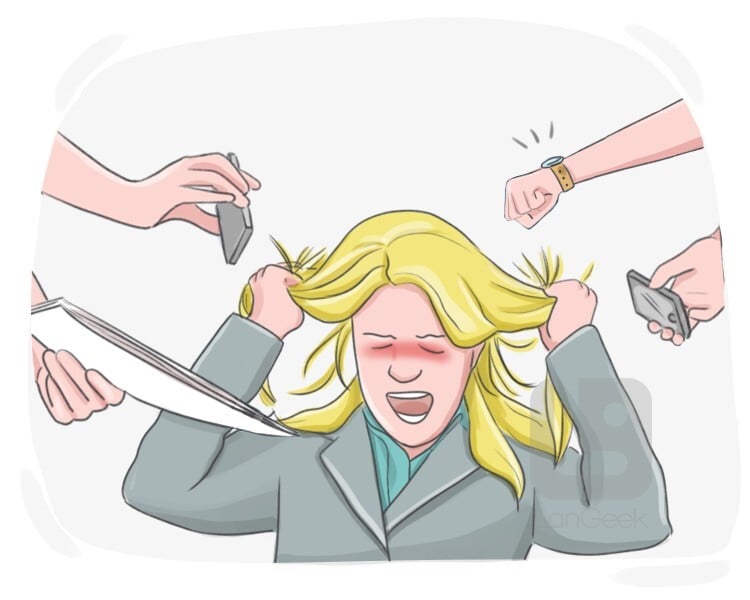
irytować, denerwować
to cause irritation or annoyance to someone
Transitive: to get at sb
informacje gramatyczne
budowa morfologiczna
frazowe
czasownik czynnościowy
regularny
nierozdzielny
partykuła
at
czasownik podstawowy
get
czas teraźniejszy
get at
3. osoba liczby pojedynczej
gets at
imiesłów czynny
getting at
czas przeszły prosty
got at
imiesłów bierny
gotten at
Przykłady
The constant noise from the construction site next door really gets at me.
Stały hałas z pobliskiego placu budowy naprawdę mnie denerwuje.
02
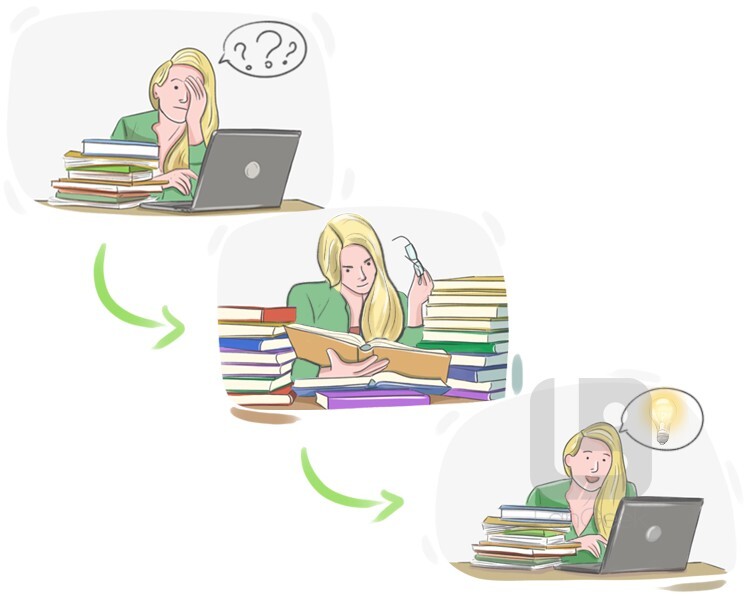
zrozumieć, pojąć
to reach an understanding of something through questioning, investigation, or analysis
Transitive: to get at sth
Przykłady
I can't quite get at what the author is trying to say in this book.
Nie mogę do końca zrozumieć, co autor próbuje powiedzieć w tej książce.
03
dostać się do, uzyskać dostęp do
to be able to have access to or reach something
Transitive: to get at sth
Przykłady
The key to the safe was lost, so they couldn't get at the valuable documents inside.
Klucz do sejfu został zgubiony, więc nie mogli dostać się do cennych dokumentów w środku.
04
przekupić, zepsuć
to try to bribe or corrupt someone in power
Transitive: to get at someone in power
Przykłady
The company executives tried to get at the politicians by offering bribes for favorable legislation.
Kierownictwo firmy próbowało wpłynąć na polityków, oferując łapówki za korzystne ustawodawstwo.
05
skontaktować się, dotrzeć
to contact or reach someone, especially when this is difficult or requires some effort
Transitive: to get at sb
Przykłady
I've been trying to get at my old friend from college, but his phone number has changed.
Próbowałem skontaktować się z moim starym przyjacielem z college'u, ale jego numer telefonu się zmienił.
06
krytykować, atakować pośrednio
to criticize or attack someone, usually in a subtle or indirect manner
Transitive: to get at someone's shortcoming or mistake
Przykłady
He started to get at his opponent's weaknesses during the debate.
Zaczął atakować słabe strony swojego przeciwnika podczas debaty.
LanGeek


