

Buscar
Selecciona el idioma del diccionario





























to get at
01
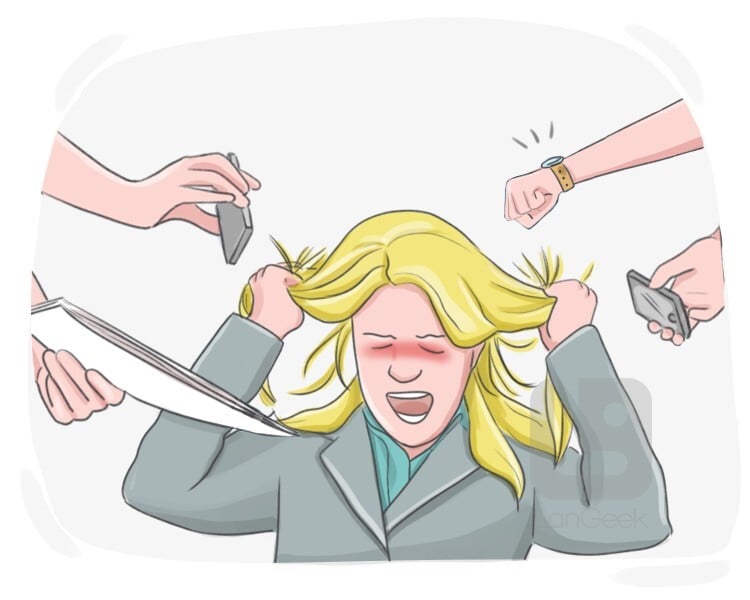
molestar, irritar
to cause irritation or annoyance to someone
Transitive: to get at sb
información gramatical
composición morfológica
frasal
verbo de acción
regular
inseparable
partícula
at
verbo base
get
presente
get at
3.ª persona singular
gets at
participio presente
getting at
pretérito simple
got at
participio pasado
gotten at
Ejemplos
The constant noise from the construction site next door really gets at me.
El ruido constante de la obra de al lado me molesta mucho.
02
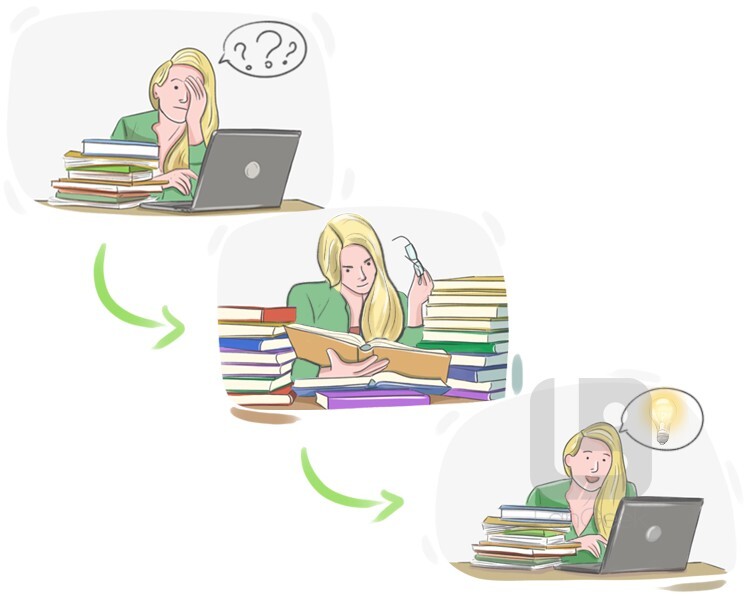
entender, captar
to reach an understanding of something through questioning, investigation, or analysis
Transitive: to get at sth
Ejemplos
I can't quite get at what the author is trying to say in this book.
No logro entender lo que el autor está tratando de decir en este libro.
03
llegar a, acceder
to be able to have access to or reach something
Transitive: to get at sth
Ejemplos
The key to the safe was lost, so they couldn't get at the valuable documents inside.
La llave de la caja fuerte se perdió, por lo que no pudieron acceder a los valiosos documentos que había dentro.
04
sobornar, corromper
to try to bribe or corrupt someone in power
Transitive: to get at someone in power
Ejemplos
The company executives tried to get at the politicians by offering bribes for favorable legislation.
Los ejecutivos de la empresa intentaron influir en los políticos ofreciendo sobornos para una legislación favorable.
05
contactar, localizar
to contact or reach someone, especially when this is difficult or requires some effort
Transitive: to get at sb
Ejemplos
I've been trying to get at my old friend from college, but his phone number has changed.
He estado intentando contactar a mi viejo amigo de la universidad, pero su número de teléfono ha cambiado.
06
atacar sutilmente, criticar indirectamente
to criticize or attack someone, usually in a subtle or indirect manner
Transitive: to get at someone's shortcoming or mistake
Ejemplos
He started to get at his opponent's weaknesses during the debate.
Comenzó a atacar las debilidades de su oponente durante el debate.
LanGeek


