

অনুসন্ধান করুন
অভিধানের ভাষা নির্বাচন করুন





























to get at
01
বিরক্ত করা, ঝামেলা দেওয়া
to cause irritation or annoyance to someone
Transitive: to get at sb

ব্যাকরণগত তথ্য
রূপগত গঠন
বাগধারামূলক
কর্মসূচক ক্রিয়া
নিয়মিত
অবিচ্ছেদ্য
কণা
at
মূল ক্রিয়া
get
বর্তমান কাল
get at
৩য় পুরুষ একবচন
gets at
বর্তমান কৃদন্ত
getting at
সরল অতীত
got at
অতীত কৃদন্ত
gotten at
উদাহরণ
The constant noise from the construction site next door really gets at me.
পাশের নির্মাণস্থল থেকে ধারাবাহিক শব্দ সত্যিই আমাকে বিরক্ত করে।
02
বুঝতে, জানতে
to reach an understanding of something through questioning, investigation, or analysis
Transitive: to get at sth
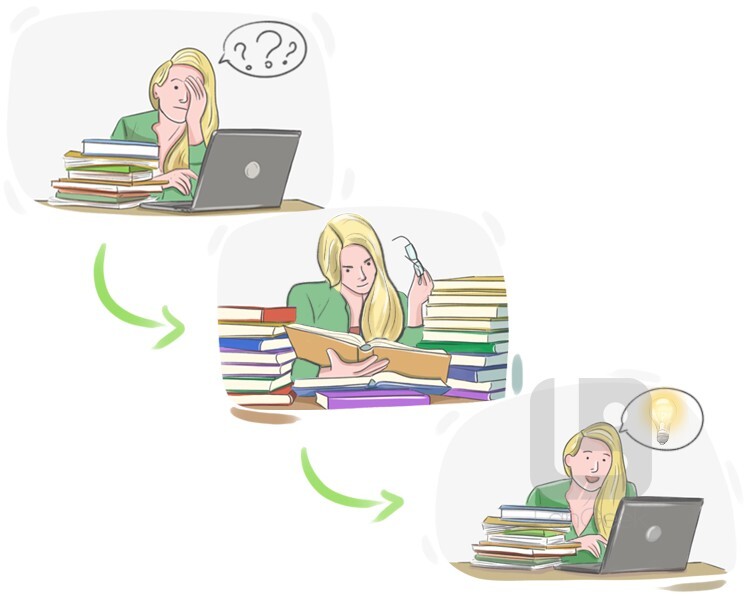
উদাহরণ
I can't quite get at what the author is trying to say in this book.
আমি এই বইতে লেখক কী বলতে চাইছেন তা ঠিক বুঝতে পারছি না।
03
প্রবেশ করা, পৌঁছানো
to be able to have access to or reach something
Transitive: to get at sth
উদাহরণ
The key to the safe was lost, so they couldn't get at the valuable documents inside.
সেফের চাবিটি হারিয়ে গিয়েছিল, তাই তারা ভিতরের মূল্যবান নথিগুলিতে অ্যাক্সেস করতে পারেনি।
04
ঘুষ দেওয়া, দূষিত করা
to try to bribe or corrupt someone in power
Transitive: to get at someone in power
উদাহরণ
The company executives tried to get at the politicians by offering bribes for favorable legislation.
কোম্পানির নির্বাহীরা অনুকূল আইনের জন্য ঘুষ দেওয়ার মাধ্যমে রাজনীতিবিদদের প্রভাবিত করার চেষ্টা করেছিল।
05
যোগাযোগ করা, পৌঁছানো
to contact or reach someone, especially when this is difficult or requires some effort
Transitive: to get at sb
উদাহরণ
I've been trying to get at my old friend from college, but his phone number has changed.
আমি কলেজের আমার পুরানো বন্ধুকে যোগাযোগ করার চেষ্টা করছিলাম, কিন্তু তার ফোন নম্বর পরিবর্তন হয়েছে।
06
সমালোচনা করা, পরোক্ষভাবে আক্রমণ করা
to criticize or attack someone, usually in a subtle or indirect manner
Transitive: to get at someone's shortcoming or mistake
উদাহরণ
He started to get at his opponent's weaknesses during the debate.
তর্কের সময় তিনি তার প্রতিপক্ষের দুর্বলতাগুলো আক্রমণ করা শুরু করলেন।
LanGeek


