

Rechercher
Sélectionnez la langue du dictionnaire





























to get at
01
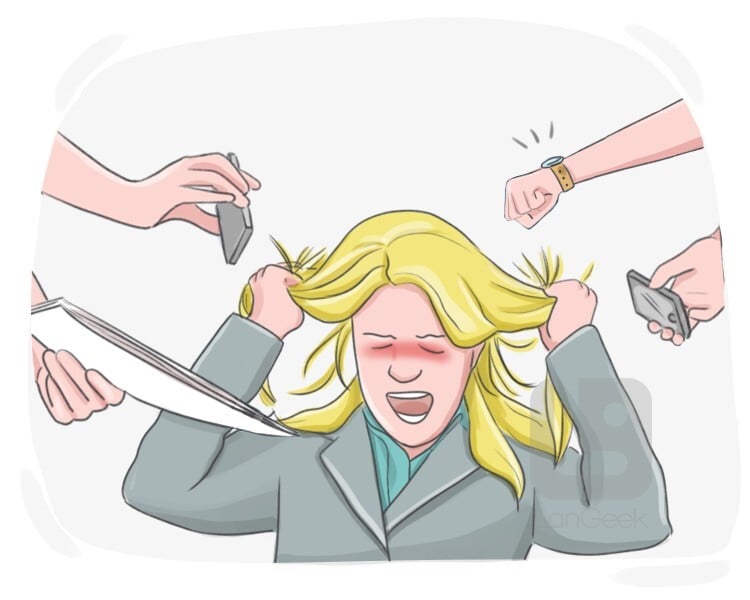
agacer, énerver
to cause irritation or annoyance to someone
Transitive: to get at sb
informations grammaticales
composition morphologique
à particule
verbe d’action
régulier
inséparable
particule
at
verbe de base
get
présent
get at
3e personne du singulier
gets at
participe présent
getting at
passé simple
got at
participe passé
gotten at
Exemples
The constant noise from the construction site next door really gets at me.
Le bruit constant du chantier à côté m'agace vraiment.
02
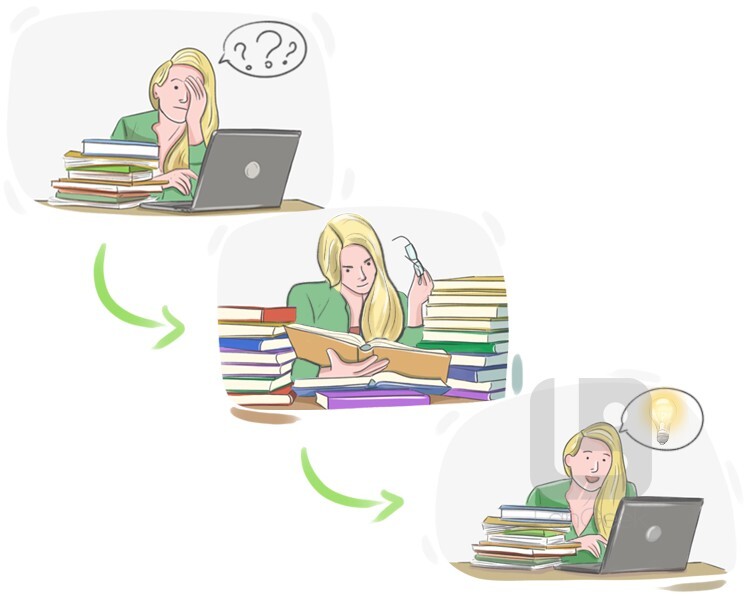
comprendre, saisir
to reach an understanding of something through questioning, investigation, or analysis
Transitive: to get at sth
Exemples
I can't quite get at what the author is trying to say in this book.
Je n'arrive pas vraiment à comprendre ce que l'auteur essaie de dire dans ce livre.
03
accéder à, atteindre
to be able to have access to or reach something
Transitive: to get at sth
Exemples
The key to the safe was lost, so they couldn't get at the valuable documents inside.
La clé du coffre-fort était perdue, donc ils ne pouvaient pas accéder à les documents précieux à l'intérieur.
04
soudoyer, corrompre
to try to bribe or corrupt someone in power
Transitive: to get at someone in power
Exemples
The company executives tried to get at the politicians by offering bribes for favorable legislation.
Les dirigeants de l'entreprise ont essayé de s'attaquer aux politiciens en offrant des pots-de-vin pour une législation favorable.
05
joindre, contacter
to contact or reach someone, especially when this is difficult or requires some effort
Transitive: to get at sb
Exemples
I've been trying to get at my old friend from college, but his phone number has changed.
J'ai essayé de joindre mon vieil ami de l'université, mais son numéro de téléphone a changé.
06
s'en prendre à, attaquer subtilement
to criticize or attack someone, usually in a subtle or indirect manner
Transitive: to get at someone's shortcoming or mistake
Exemples
He started to get at his opponent's weaknesses during the debate.
Il a commencé à s'en prendre aux faiblesses de son adversaire pendant le débat.
LanGeek


