






























to react
01
반응하다, 대응하다
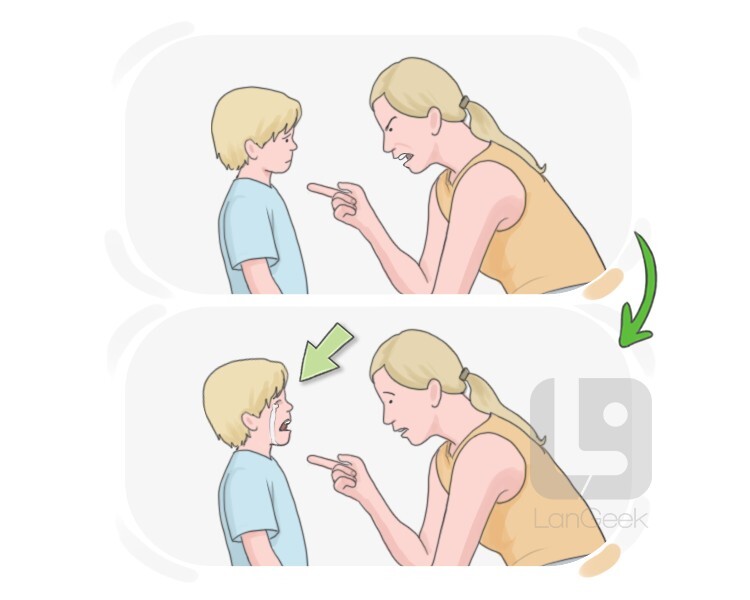
to act or behave in a particular way in response to something
Transitive: to react to sth in a specific manner
문법 정보
형태적 구성
단순어
동작 동사
규칙
현재 시제
react
3인칭 단수
reacts
현재분사
reacting
단순 과거
reacted
과거분사
reacted
예시들
The political leader had to react promptly to the evolving situation, addressing concerns and making policy adjustments.
정치 지도자는 진화하는 상황에 신속히 대응해야 했고, 우려 사항을 해결하고 정책 조정을 했다.
02
반응하다, 상호 작용하다
(physics) to be subject to physical or chemical change
Intransitive: to react | to react with a chemical element
예시들
When sodium reacts with water, it produces sodium hydroxide and hydrogen gas as byproducts.
나트륨이 물과 반응할 때, 부산물로 수산화 나트륨과 수소 가스가 생성됩니다.
03
반응하다, 대응하다
to show a hostile response to an opposing action
Intransitive: to react against an undesirable action or change
예시들
The citizens decided to react against the proposed tax increase by organizing a protest.
시민들은 제안된 세금 인상에 대해 시위를 조직하여 반응하기로 결정했습니다.
04
반응하다, 상호 작용하다
(physics) to cause a substance to change by interacting with other substances
Transitive: to react a chemical element with another chemical element
예시들
In the experiment, sodium hydroxide will be reacted with hydrochloric acid to form a salt and water.
실험에서 수산화 나트륨은 염산과 반응하여 염과 물을 형성할 것입니다.
05
반응하다
to have an adverse reaction to something particular such as food, smell, etc., particularly one that causes illness
Intransitive: to react | to react to an allergen
예시들
Certain individuals may react negatively to strong perfumes, experiencing headaches or respiratory discomfort.
일부 개인은 강한 향수에 부정적으로 반응할 수 있으며, 두통이나 호흡기 불편을 경험할 수 있습니다.
LanGeek
모바일 앱 다운로드

어휘 나무
overreact
reactance
react
act

