






























to react
01
反応する, 対応する
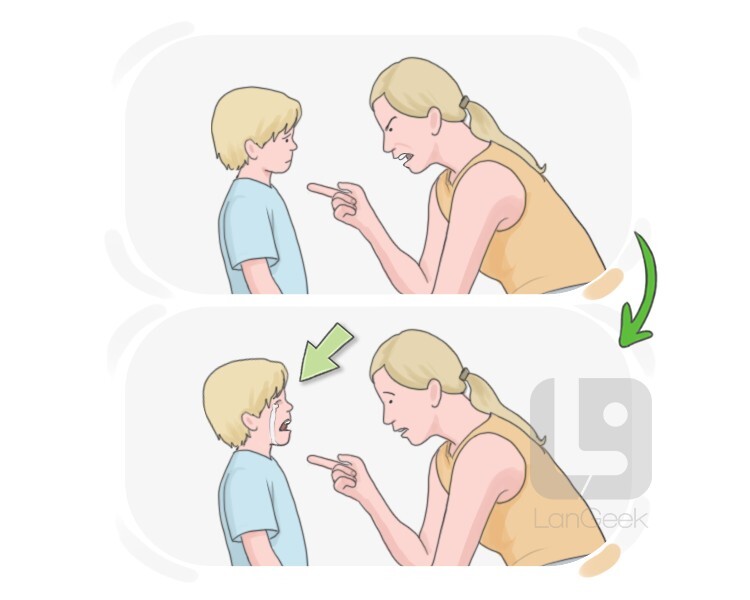
to act or behave in a particular way in response to something
Transitive: to react to sth in a specific manner
文法情報
形態的構成
単純語
動作動詞
規則的
現在時制
react
三人称単数
reacts
現在分詞
reacting
単純過去
reacted
過去分詞
reacted
例
The political leader had to react promptly to the evolving situation, addressing concerns and making policy adjustments.
政治指導者は、進化する状況に迅速に反応し、懸念に対処し、政策調整を行わなければならなかった。
02
反応する, 相互作用する
(physics) to be subject to physical or chemical change
Intransitive: to react | to react with a chemical element
例
When sodium reacts with water, it produces sodium hydroxide and hydrogen gas as byproducts.
ナトリウムが水と反応すると、副産物として水酸化ナトリウムと水素ガスが生成されます。
03
反応する, 応答する
to show a hostile response to an opposing action
Intransitive: to react against an undesirable action or change
例
The citizens decided to react against the proposed tax increase by organizing a protest.
市民は、提案された増税に対して抗議を組織することで反応することを決めました。
04
反応する, 相互作用する
(physics) to cause a substance to change by interacting with other substances
Transitive: to react a chemical element with another chemical element
例
In the experiment, sodium hydroxide will be reacted with hydrochloric acid to form a salt and water.
実験では、水酸化ナトリウムが塩酸と反応して塩と水を生成します。
05
反応する
to have an adverse reaction to something particular such as food, smell, etc., particularly one that causes illness
Intransitive: to react | to react to an allergen
例
Certain individuals may react negatively to strong perfumes, experiencing headaches or respiratory discomfort.
強い香水に対して反応して、頭痛や呼吸器の不快感を経験する人もいます。
LanGeek
モバイルアプリをダウンロード

語彙ツリー
overreact
reactance
react
act

