






























to dry up
01
乾燥する, 干上がる
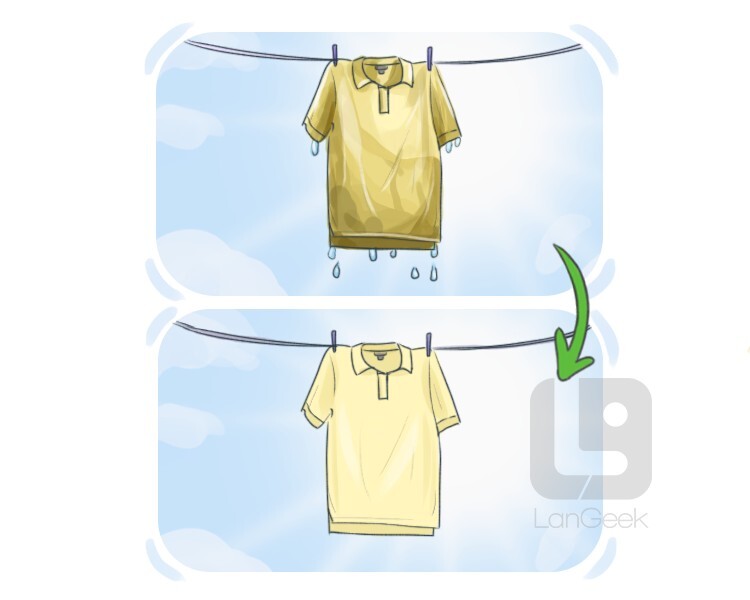
to become empty of water or other liquids, often through evaporation
Intransitive
文法情報
形態的構成
句動詞
動作動詞
規則的
分離不可
不変化詞
up
基本動詞
dry
現在時制
dry up
三人称単数
dries up
現在分詞
drying up
単純過去
dried up
過去分詞
dried up
例
As the sun beat down, the river began to dry up, revealing more of its rocky bed.
太陽が照りつける中、川は干上がり始め、岩だらけの川床をさらけ出した。
02
乾燥する, しわが寄る
to get smaller and wrinkled due to loss of all one's moisture
Intransitive
例
If you leave fruit exposed to the sun for too long, it may dry up and shrivel.
果物を太陽に長時間さらしておくと、乾燥してしわが寄ることがあります。
03
乾上がる, 言葉に詰まる
to suddenly stop speaking, often due to forgetting or not knowing what to say next
Intransitive
例
During the presentation, the speaker suddenly dried up and struggled to recall the key points.
プレゼンテーション中、スピーカーは突然言葉に詰まり、キーポイントを思い出そうともがいた。
04
枯渇する, 干上がる
to not exist anymore, such as resources, opportunities, etc.
Intransitive
例
During the economic downturn, job opportunities started to dry up, leaving many unemployed.
経済低迷期には、仕事の機会が枯渇し始め、多くの失業者を出した。
05
乾かす, 水分を失わせる
to make something lose its moisture
Transitive: to dry up sth
例
The heat from the sun can quickly dry up wet clothes hung outside.
太陽の熱は、外に干した濡れた服を素早く乾かすことができます。
06
乾かす, 拭き上げる
to use a towel to dry dishes after one is done washing them
Dialect British
BritishTransitive: to dry up dishes
例
After washing the dinner plates, she would dry up each one with a clean kitchen towel.
夕食の皿を洗った後、彼女は清潔なキッチンタオルでそれぞれを乾かしました。
07
枯渇させる, 干上がらせる
to cause something to disappear, end, or become impossible to continue
例
The economic crisis dried up investment in the region.


