

অনুসন্ধান করুন
অভিধানের ভাষা নির্বাচন করুন





























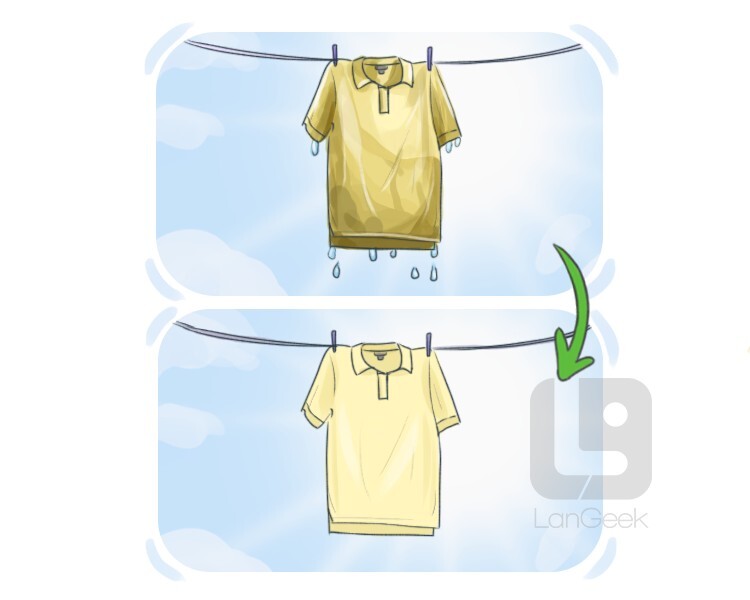
to dry up
01
শুকিয়ে যাওয়া, জলশূন্য হওয়া
to become empty of water or other liquids, often through evaporation
Intransitive
ব্যাকরণগত তথ্য
রূপগত গঠন
বাগধারামূলক
কর্মসূচক ক্রিয়া
নিয়মিত
অবিচ্ছেদ্য
কণা
up
মূল ক্রিয়া
dry
বর্তমান কাল
dry up
৩য় পুরুষ একবচন
dries up
বর্তমান কৃদন্ত
drying up
সরল অতীত
dried up
অতীত কৃদন্ত
dried up
উদাহরণ
As the sun beat down, the river began to dry up, revealing more of its rocky bed.
সূর্য যখন জ্বলছিল, নদীটি শুকিয়ে যেতে শুরু করল, এর পাথুরে তলদেশের আরও বেশি অংশ প্রকাশ করে।
02
শুকিয়ে যাওয়া, কুঁচকে যাওয়া
to get smaller and wrinkled due to loss of all one's moisture
Intransitive
উদাহরণ
If you leave fruit exposed to the sun for too long, it may dry up and shrivel.
যদি আপনি ফলকে সূর্যের আলোতে খুব বেশি সময় রেখে দেন, এটি শুকিয়ে যেতে পারে এবং কুঁচকে যেতে পারে।
03
শুকিয়ে যাওয়া, হঠাৎ কথা বলা বন্ধ করে দেওয়া
to suddenly stop speaking, often due to forgetting or not knowing what to say next
Intransitive
উদাহরণ
During the presentation, the speaker suddenly dried up and struggled to recall the key points.
প্রেজেন্টেশন চলাকালীন, বক্তা হঠাৎ শুকিয়ে গেলেন এবং মূল পয়েন্টগুলি মনে রাখার জন্য সংগ্রাম করলেন।
04
শুকিয়ে যাওয়া, শেষ হয়ে যাওয়া
to not exist anymore, such as resources, opportunities, etc.
Intransitive
উদাহরণ
During the economic downturn, job opportunities started to dry up, leaving many unemployed.
অর্থনৈতিক মন্দার সময়, চাকরির সুযোগ শুকিয়ে যেতে শুরু করে, অনেককে বেকার রেখে।
05
শুকানো, আর্দ্রতা হারানো
to make something lose its moisture
Transitive: to dry up sth
উদাহরণ
The heat from the sun can quickly dry up wet clothes hung outside.
সূর্যের তাপ বাইরে ভিজে কাপড় দ্রুত শুকিয়ে দিতে পারে।
06
শুকানো, মুছা
to use a towel to dry dishes after one is done washing them
Dialect British
BritishTransitive: to dry up dishes
উদাহরণ
After washing the dinner plates, she would dry up each one with a clean kitchen towel.
রাতের খাবারের প্লেট ধোয়ার পরে, সে একটি পরিষ্কার রান্নাঘরের তোয়ালে দিয়ে প্রতিটি শুকিয়ে দিত।
07
শুকিয়ে যাওয়া, নিঃশেষ করা
to cause something to disappear, end, or become impossible to continue
উদাহরণ
The economic crisis dried up investment in the region.
LanGeek


