Keresés
Vålassza ki a szótår nyelvét
obscure
01
homålyos, rejtélyes
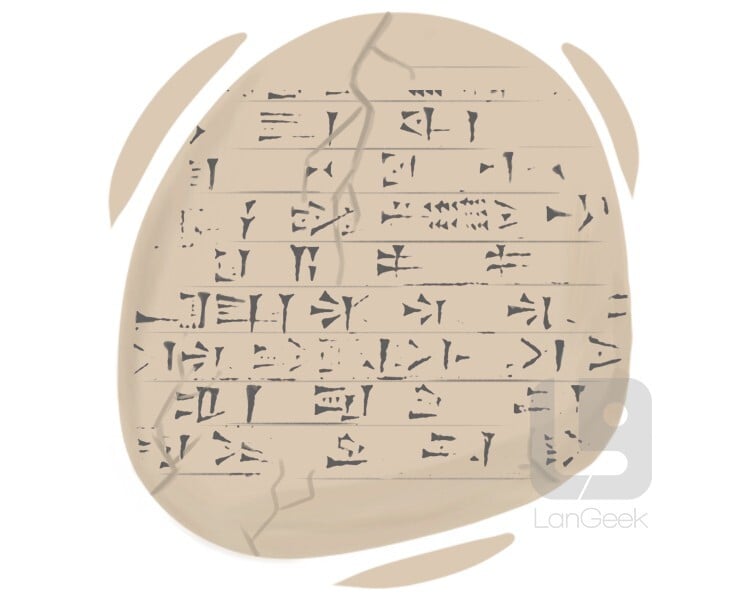
difficult to comprehend due to being vague or hidden
Példåk
The philosopher 's theories remained obscure, only fully appreciated by a small group of experts.
A filozĂłfus elmĂ©letei homĂĄlyosak maradtak, csak egy kis szakĂ©rtĆi csoport Ă©rtĂ©kelte teljes mĂ©rtĂ©kben.
02
kevésbé ismert, homålyos
not well-known or widely recognized
Példåk
The artist 's early works were obscure, with only a few critics appreciating their unique style.
A mƱvĂ©sz korai munkĂĄi homĂĄlyosak voltak, csak nĂ©hĂĄny kritikus Ă©rtĂ©kelte egyedi stĂlusukat.
Példåk
She lived in an obscure neighborhood, largely overlooked by outsiders.
Egy elhagyatott környĂ©ken Ă©lt, amelyet nagyrĂ©szt figyelmen kĂvĂŒl hagytak a kĂvĂŒlĂĄllĂłk.
04
rejtett, nem könnyen Ă©szrevehetĆ
hidden or not easily noticed
Példåk
The flaw in the design was obscure, barely visible to the naked eye.
A tervezési hiba homålyos volt, szabad szemmel alig låtható.
to obscure
01
elrejt, eltakar
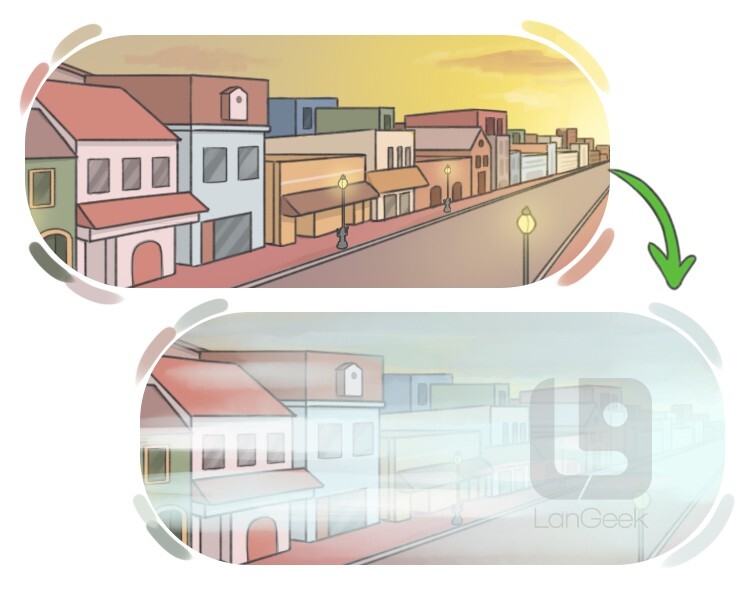
to conceal or hide something
Transitive: to obscure sth
Példåk
Dark clouds started to obscure the sun, casting a shadow over the landscape.
SötĂ©t felhĆk kezdtĂ©k elhomĂĄlyosĂtani a napot, ĂĄrnyĂ©kot vetve a tĂĄjra.
02
elhomĂĄlyosĂt, nehezen Ă©rthetĆvĂ© tesz
to make something unclear or difficult to understand
Transitive: to obscure a concept or idea
Példåk
Introducing too many characters in the story can obscure its main plotline.
TĂșl sok karakter bevezetĂ©se a törtĂ©netbe elhomĂĄlyosĂthatja a fĆ cselekmĂ©nyvonalat.
03
elhomĂĄlyosĂt, kevĂ©sbĂ© egyĂ©rtelmƱvĂ© tesz
to change a vowel sound so that it is less clear or pronounced softly, often becoming a schwa sound
Transitive: to obscure a vowel
Példåk
The second syllable of the word is obscured, sounding more like a schwa.
A szĂł mĂĄsodik szĂłtagja elmosĂłdott, inkĂĄbb egy schwa hangzĂĄsĂș.
Lexikai Fa
obscurantist
obscurely
obscureness
obscure