






























obscure
01
모호한, 수수께끼 같은
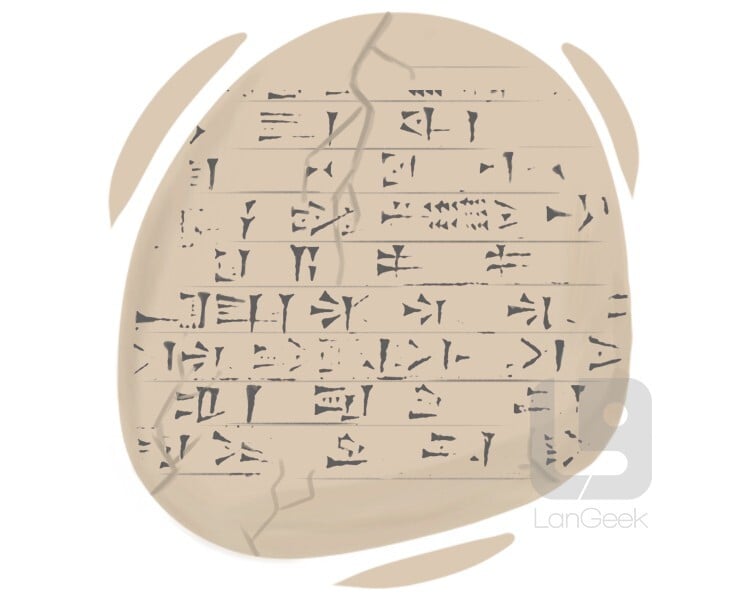
difficult to comprehend due to being vague or hidden
문법 정보
형태적 구성
단순어
성질형
최상급
most obscure
비교급
more obscure
등급화 가능
분야
language, understanding, communication
예시들
The obscure references in the text were difficult for most readers to understand.
텍스트의 모호한 참조는 대부분의 독자들이 이해하기 어려웠다.

예시들
The scientist published his findings in an obscure journal that few in the field had heard of.
그 과학자는 그 분야에서 거의 알려지지 않은 알려지지 않은 저널에 그의 발견을 발표했다.
예시들
The obscure town was hidden deep in the mountains, away from main roads.
외딴 마을은 주요 도로에서 멀리 떨어진 산 깊은 곳에 숨겨져 있었다.
04
숨겨진, 쉽게 눈에 띄지 않는
hidden or not easily noticed
예시들
The artist made an obscure reference in his work that only a few noticed.
그 예술가는 그의 작품에서 몇몇만이 알아챈 모호한 언급을 했다.
to obscure
01
숨기다, 가리다
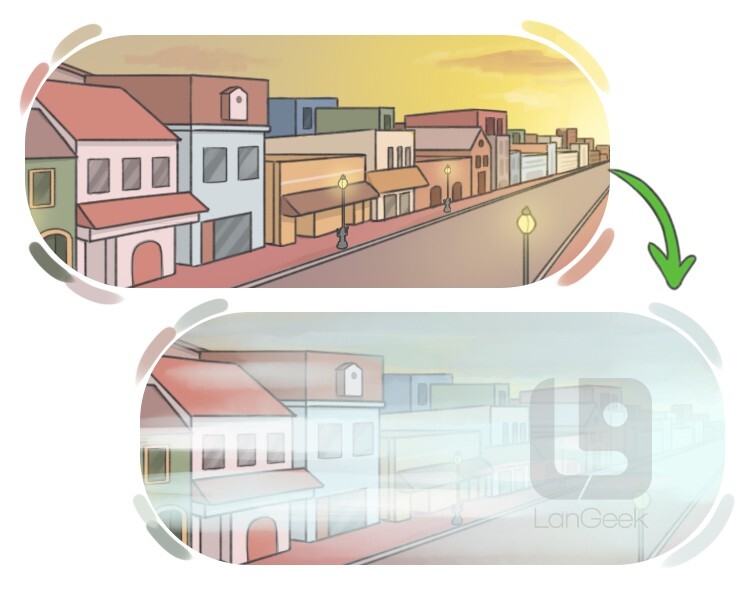
to conceal or hide something
Transitive: to obscure sth
문법 정보
형태적 구성
단순어
동작 동사
규칙
현재 시제
obscure
3인칭 단수
obscures
현재분사
obscuring
단순 과거
obscured
과거분사
obscured
예시들
The artist used a layer of paint to obscure the underlying details of the canvas.
예술가는 캔버스의 기본 세부 사항을 가리기 위해 페인트 층을 사용했습니다.
02
모호하게 하다, 불분명하게 하다
to make something unclear or difficult to understand
Transitive: to obscure a concept or idea
예시들
The author's use of complex language and metaphors often obscures the meaning of the text.
작가가 복잡한 언어와 은유를 사용하는 것은 종종 텍스트의 의미를 흐리게 합니다.
03
흐리게 하다, 덜 분명하게 만들다
to change a vowel sound so that it is less clear or pronounced softly, often becoming a schwa sound
Transitive: to obscure a vowel
예시들
In rapid speech, we often obscure vowels in unstressed syllables.
빠른 말하기에서는, 우리는 종종 강조되지 않은 음절의 모음을 흐리게 합니다.
LanGeek
모바일 앱 다운로드

어휘 나무
obscurantist
obscurely
obscureness
obscure

