

Rechercher
Sélectionnez la langue du dictionnaire





























to allow
01
permettre
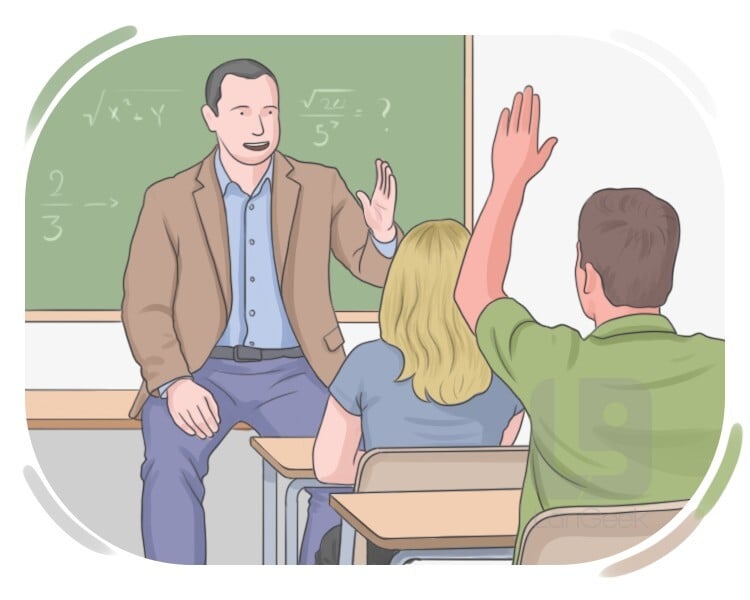
to let someone or something do a particular thing
Transitive: to allow sth
Ditransitive: to allow sb to do sth
informations grammaticales
composition morphologique
simple
verbe d’action
régulier
présent
allow
3e personne du singulier
allows
participe présent
allowing
passé simple
allowed
participe passé
allowed
Exemples
She allowed her children to play in the park.
Elle a permis à ses enfants de jouer dans le parc.
1.1
permettre
to let someone or something enter or exit a particular place or go in a certain direction
Transitive: to allow sb/sth somewhere
Exemples
Pets are allowed in the park, but they must be leashed.
Les animaux de compagnie sont autorisés dans le parc, mais ils doivent être tenus en laisse.
1.2
permettre, autoriser
to let someone have a particular thing
Ditransitive: to allow sb sth
Exemples
I allow myself a cup of coffee in the morning.
Je m'autorise une tasse de café le matin.
1.3
permettre, autoriser
to let a particular thing take place or be done
Transitive: to allow an action
Exemples
Smoking is not allowed in this building.
Fumer n'est pas autorisé dans ce bâtiment.
02
permettre, autoriser
to make a specific thing possible, particularly something useful or helpful
Transitive: to allow for an action
Exemples
The budget increase allows for the hiring of additional staff members.
L'augmentation du budget permet l'embauche de membres supplémentaires du personnel.
2.1
prévoir, allouer
to make sure one has a sufficient amount of something such as time, food, money, etc. available for a specific purpose
Transitive: to allow time, space, or resource
Exemples
Allow plenty of space in your suitcase for souvenirs.
Prévoyez beaucoup d'espace dans votre valise pour les souvenirs.
03
reconnaître, admettre, concéder
to acknowledge or accept the truth, validity, or correctness of something
Transitive: to allow sth | to allow that
Exemples
Can you allow that you might have been mistaken in this case?
Pouvez-vous admettre que vous avez peut-être eu tort dans ce cas ?


