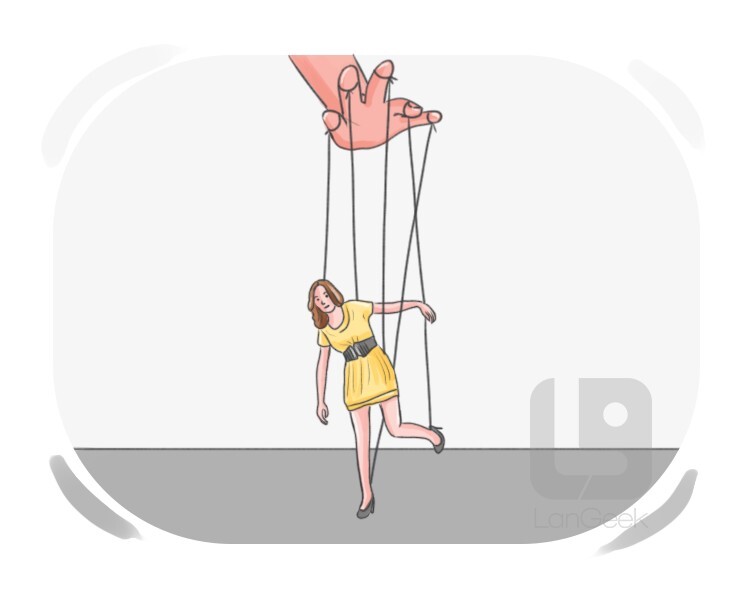
control
cont
ˈkənt
kēnt
rol
roƊl
rowl
/kənˈtrəʊl/

āχāĻ‚āϰ⧇āϜāĻŋāϤ⧇ "control"āĻāϰ āϏāĻ‚āĻœā§āĻžāĻž āĻ“ āĻ…āĻ°ā§āĻĨ

01

āύāĻŋāϝāĻŧāĻ¨ā§āĻ¤ā§āϰāĻŖ āĻ•āϰāĻž, āĻļāĻžāϏāύ āĻ•āϰāĻž

to have power over a person, company, country, etc. and to decide how things should be done
Transitive: to control sth
to control definition and meaning
āωāĻĻāĻžāĻšāϰāĻŖ
The dictator aimed to control every aspect of the nation's governance.
āĻ¸ā§āĻŦ⧈āϰāĻļāĻžāϏāĻ• āϜāĻžāϤāĻŋāϰ āĻļāĻžāϏāύ⧇āϰ āĻĒā§āϰāϤāĻŋāϟāĻŋ āĻĻāĻŋāĻ• āύāĻŋāϝāĻŧāĻ¨ā§āĻ¤ā§āϰāĻŖ āĻ•āϰāĻžāϰ āϞāĻ•ā§āĻˇā§āϝ āϰāĻžāϖ⧇āύāĨ¤
1.1

āύāĻŋāϝāĻŧāĻ¨ā§āĻ¤ā§āϰāĻŖ āĻ•āϰāĻž, āĻĒāϰāĻŋāϚāĻžāϞāύāĻž āĻ•āϰāĻž

to manage and operate a device, system, or process, causing it to function as intended
Transitive: to control a device or system
āωāĻĻāĻžāĻšāϰāĻŖ
The pilot skillfully controlled the airplane during turbulent weather.
āĻĒāĻžāχāϞāϟ āĻ…āĻ¸ā§āĻĨāĻŋāϰ āφāĻŦāĻšāĻžāĻ“āϝāĻŧāĻžāϝāĻŧ āĻĻāĻ•ā§āώāϤāĻžāϰ āϏāĻžāĻĨ⧇ āĻŦāĻŋāĻŽāĻžāύāϟāĻŋ āύāĻŋāϝāĻŧāĻ¨ā§āĻ¤ā§āϰāĻŖ āĻ•āϰ⧇āϛ⧇āύāĨ¤
02

āύāĻŋāϝāĻŧāĻ¨ā§āĻ¤ā§āϰāĻŖ āĻ•āϰāĻž, āϏ⧀āĻŽāĻŋāϤ āϰāĻžāĻ–āĻž

to reduce the strength of something or keep it within limits
Transitive: to control strength of something
āωāĻĻāĻžāĻšāϰāĻŖ
He tried to control his excitement when he heard the good news.
āϤāĻŋāύāĻŋ āĻ­āĻžāϞ āĻ–āĻŦāϰ āĻļ⧁āύ⧇ āϤāĻžāρāϰ āωāĻ¤ā§āϤ⧇āϜāύāĻž āύāĻŋāϝāĻŧāĻ¨ā§āĻ¤ā§āϰāĻŖ āĻ•āϰāĻžāϰ āĻšā§‡āĻˇā§āϟāĻž āĻ•āϰ⧇āĻ›āĻŋāϞ⧇āύāĨ¤
03

āύāĻŋāϝāĻŧāĻ¨ā§āĻ¤ā§āϰāĻŖ āĻ•āϰāĻž, āφāϝāĻŧāĻ¤ā§āϤ⧇ āφāύāĻž

to direct influence over someone or something, usually in one's advantage
Transitive: to control sb/sth
āωāĻĻāĻžāĻšāϰāĻŖ
He knew how to control the conversation to steer it in his favor.
āϤāĻŋāύāĻŋ āϜāĻžāύāϤ⧇āύ āĻ•āĻŋāĻ­āĻžāĻŦ⧇ āĻ•āĻĨā§‹āĻĒāĻ•āĻĨāύāϟāĻŋ āϤāĻžāϰ āĻĒāĻ•ā§āώ⧇ āĻĒāϰāĻŋāϚāĻžāϞāύāĻž āĻ•āϰāϤ⧇ āύāĻŋāϝāĻŧāĻ¨ā§āĻ¤ā§āϰāĻŖ āĻ•āϰāϤ⧇ āĻšāϝāĻŧāĨ¤
04

āύāĻŋāϝāĻŧāĻ¨ā§āĻ¤ā§āϰāĻŖ āĻ•āϰāĻž, āφāϝāĻŧāĻ¤ā§āϤ āĻ•āϰāĻž

to have a comprehensive understanding or expertise in a subject, enabling confident and proficient handling or management
Transitive: to control a subject
āωāĻĻāĻžāĻšāϰāĻŖ
He controlled the intricacies of the software, making him an invaluable team member.
āϤāĻŋāύāĻŋ āϏāĻĢā§āϟāĻ“āϝāĻŧā§āϝāĻžāϰ āĻāϰ āϜāϟāĻŋāϞāϤāĻž āύāĻŋāϝāĻŧāĻ¨ā§āĻ¤ā§āϰāĻŖ āĻ•āϰ⧇āϛ⧇āύ, āϝāĻž āϤāĻžāϕ⧇ āĻāĻ•āϟāĻŋ āĻ…āĻŽā§‚āĻ˛ā§āϝ āĻĻāϞ⧇āϰ āϏāĻĻāĻ¸ā§āϝ āĻ•āϰ⧇ āϤ⧁āϞ⧇āϛ⧇āĨ¤
05

āύāĻŋāϝāĻŧāĻ¨ā§āĻ¤ā§āϰāĻŖ āĻ•āϰāĻž, āύāĻŋāĻļā§āϚāĻŋāϤ āĻ•āϰāĻž

to take care or ensure that something is done or achieved; to make certain of a specific outcome
Transitive: to control to do sth | to control that
āωāĻĻāĻžāĻšāϰāĻŖ
He controlled to double-check his calculations to avoid any errors.
āϤāĻŋāύāĻŋ āϕ⧋āύāĻ“ āĻ¤ā§āϰ⧁āϟāĻŋ āĻāĻĄāĻŧāĻžāϤ⧇ āϤāĻžāϰ āĻ—āĻŖāύāĻž āĻĄāĻžāĻŦāϞ-āĻšā§‡āĻ• āĻ•āϰāϤ⧇ āύāĻŋāϝāĻŧāĻ¨ā§āĻ¤ā§āϰāĻŖ āĻ•āϰ⧇āĻ›āĻŋāϞ⧇āύāĨ¤
06

āύāĻŋāϝāĻŧāĻ¨ā§āĻ¤ā§āϰāĻŖ āĻ•āϰāĻž, āϏāĻžāĻŽāĻžā§āϜāĻ¸ā§āϝ āĻ•āϰāĻž

to adjust or set up an experiment in a way that minimizes or removes the influence of certain variables
Transitive: to control for a variable
āωāĻĻāĻžāĻšāϰāĻŖ
In the study, the researchers controlled for age and gender to focus on the impact of the drug.
āĻ—āĻŦ⧇āώāĻŖāĻžāϝāĻŧ, āĻ—āĻŦ⧇āώāĻ•āϰāĻž āĻ“āώ⧁āϧ⧇āϰ āĻĒā§āϰāĻ­āĻžāĻŦ⧇āϰ āωāĻĒāϰ āĻĢā§‹āĻ•āĻžāϏ āĻ•āϰāĻžāϰ āϜāĻ¨ā§āϝ āĻŦāϝāĻŧāϏ āĻāĻŦāĻ‚ āϞāĻŋāĻ™ā§āĻ— āύāĻŋāϝāĻŧāĻ¨ā§āĻ¤ā§āϰāĻŖ āĻ•āϰ⧇āϛ⧇āύāĨ¤
07

āύāĻŋāϝāĻŧāĻ¨ā§āĻ¤ā§āϰāĻŖ āĻ•āϰāĻž, āύāĻŋāϝāĻŧāĻŽāĻŋāϤ āĻ•āϰāĻž

to impose restrictions or limitations on something, often by law, to regulate access or usage
Transitive: to control sth
āωāĻĻāĻžāĻšāϰāĻŖ
Authorities have implemented measures to control the access to sensitive information.
āĻ•āĻ°ā§āϤ⧃āĻĒāĻ•ā§āώ āϏāĻ‚āĻŦ⧇āĻĻāύāĻļā§€āϞ āϤāĻĨā§āϝ⧇ āĻĒā§āϰāĻŦ⧇āĻļ āύāĻŋāϝāĻŧāĻ¨ā§āĻ¤ā§āϰāĻŖ āĻ•āϰāĻžāϰ āϜāĻ¨ā§āϝ āĻŦā§āϝāĻŦāĻ¸ā§āĻĨāĻž āĻŦāĻžāĻ¸ā§āϤāĻŦāĻžāϝāĻŧāύ āĻ•āϰ⧇āϛ⧇āĨ¤
01

āύāĻŋāϝāĻŧāĻ¨ā§āĻ¤ā§āϰāĻŖ, āĻŦā§āϝāĻŦāĻ¸ā§āĻĨāĻžāĻĒāύāĻž

the power to manage or direct someone or something
āωāĻĻāĻžāĻšāϰāĻŖ
She gained control of the conversation quickly.
āϤāĻŋāύāĻŋ āĻĻā§āϰ⧁āϤ āĻ•āĻĨā§‹āĻĒāĻ•āĻĨāύ⧇āϰ āύāĻŋāϝāĻŧāĻ¨ā§āĻ¤ā§āϰāĻŖ āĻ…āĻ°ā§āϜāύ āĻ•āϰ⧇āĻ›āĻŋāϞ⧇āύāĨ¤
1.1

āύāĻŋāϝāĻŧāĻ¨ā§āĻ¤ā§āϰāĻŖ, āύāĻŋāϝāĻŧāĻ¨ā§āĻ¤ā§āϰāĻŖ

the capability to manage, direct, and handle the operation of a machine, vehicle, or other moving object effectively
āωāĻĻāĻžāĻšāϰāĻŖ
She used the joystick to have precise control over the drone's movements.
āϤāĻŋāύāĻŋ āĻĄā§āϰ⧋āύ⧇āϰ āϚāϞāύ⧇ āϏāĻ āĻŋāĻ• āύāĻŋāϝāĻŧāĻ¨ā§āĻ¤ā§āϰāĻŖ āĻĒ⧇āϤ⧇ āϜāϝāĻŧāĻ¸ā§āϟāĻŋāĻ• āĻŦā§āϝāĻŦāĻšāĻžāϰ āĻ•āϰ⧇āĻ›āĻŋāϞ⧇āύāĨ¤
02

āύāĻŋāϝāĻŧāĻ¨ā§āĻ¤ā§āϰāĻŖ

(physiology) the regulation or maintenance of a function, action, or reflex by the body to ensure proper functioning and response to stimuli
āωāĻĻāĻžāĻšāϰāĻŖ
The nervous system 's control of muscle contractions allows for coordinated movement.
āĻ¸ā§āύāĻžāϝāĻŧ⧁āϤāĻ¨ā§āĻ¤ā§āϰ⧇āϰ āĻĒ⧇āĻļā§€ āϏāĻ‚āϕ⧋āϚāύ⧇āϰ āωāĻĒāϰ āύāĻŋāϝāĻŧāĻ¨ā§āĻ¤ā§āϰāĻŖ āϏāĻŽāĻ¨ā§āĻŦāĻŋāϤ āϚāϞāĻžāϚāϞ⧇āϰ āĻ…āύ⧁āĻŽāϤāĻŋ āĻĻ⧇āϝāĻŧāĨ¤
03

āύāĻŋāϝāĻŧāĻ¨ā§āĻ¤ā§āϰāĻŖ, āϤ⧁āϞāύāĻž āĻŽāĻžāύ

someone or something that is used as a standard of comparison in a scientific experiment to evaluate the results
āωāĻĻāĻžāĻšāϰāĻŖ
By using a control, the researchers were able to isolate the variable they were testing.
āĻāĻ•āϟāĻŋ āύāĻŋāϝāĻŧāĻ¨ā§āĻ¤ā§āϰāĻŖ āĻŦā§āϝāĻŦāĻšāĻžāϰ āĻ•āϰ⧇, āĻ—āĻŦ⧇āώāĻ•āϰāĻž āϏ⧇āχ āĻĒāϰāĻŋāĻŦāĻ°ā§āϤāύāĻļā§€āϞāϟāĻŋāϕ⧇ āφāϞāĻžāĻĻāĻž āĻ•āϰāϤ⧇ āϏāĻ•ā§āώāĻŽ āĻšāϝāĻŧ⧇āĻ›āĻŋāϞ⧇āύ āϝāĻž āϤāĻžāϰāĻž āĻĒāϰ⧀āĻ•ā§āώāĻž āĻ•āϰāĻ›āĻŋāϞ⧇āύāĨ¤
04

a condition in which one person or group exercises power or dominance over another

āωāĻĻāĻžāĻšāϰāĻŖ
The board asserted control over the company's decisions.
05

āύāĻŋāϝāĻŧāĻ¨ā§āĻ¤ā§āϰāĻŖ, āϏāĻ‚āϝāĻŽ

the ability to exercise restraint and discipline in one's personal behavior and social interactions
āωāĻĻāĻžāĻšāϰāĻŖ
The athlete 's control in maintaining a strict training schedule paid off during the competition.
āĻāĻ•āϟāĻŋ āĻ•āĻ ā§‹āϰ āĻĒā§āϰāĻļāĻŋāĻ•ā§āώāĻŖ āϏāĻŽāϝāĻŧāϏ⧂āĻšā§€ āĻŦāϜāĻžāϝāĻŧ āϰāĻžāĻ–āϤ⧇ āĻ•ā§āϰ⧀āĻĄāĻŧāĻžāĻŦāĻŋāĻĻ⧇āϰ āύāĻŋāϝāĻŧāĻ¨ā§āĻ¤ā§āϰāĻŖ āĻĒā§āϰāϤāĻŋāϝ⧋āĻ—āĻŋāϤāĻžāϰ āϏāĻŽāϝāĻŧ āĻĢāϞāĻĒā§āϰāϏ⧂ āĻšāϝāĻŧ⧇āĻ›āĻŋāϞāĨ¤
06

āύāĻŋāϝāĻŧāĻ¨ā§āĻ¤ā§āϰāĻŖ, āύāĻŋāϝāĻŧāĻ¨ā§āĻ¤ā§āϰāĻŖ

the expertise and high level of proficiency in a particular subject or activity, reflecting great skillfulness and knowledge
āωāĻĻāĻžāĻšāϰāĻŖ
The chef 's control over culinary techniques made his dishes both inventive and delicious.
āĻļ⧇āĻĢ⧇āϰ āϰāĻžāĻ¨ā§āύāĻžāϰ āĻ•ā§ŒāĻļāϞ⧇āϰ āωāĻĒāϰ āύāĻŋāϝāĻŧāĻ¨ā§āĻ¤ā§āϰāĻŖ āϤāĻžāϰ āĻ–āĻžāĻŦāĻžāϰāϗ⧁āϞāĻŋāϕ⧇ āωāĻĻā§āĻ­āĻžāĻŦāύ⧀ āĻāĻŦāĻ‚ āϏ⧁āĻ¸ā§āĻŦāĻžāĻĻ⧁ āĻ•āϰ⧇ āϤ⧁āϞ⧇āϛ⧇āĨ¤
07

āύāĻŋāϝāĻŧāĻ¨ā§āĻ¤ā§āϰāĻŖ, āĻ•āĻ¨ā§āĻŸā§āϰ⧋āϞ

a part of a machine that manages how it works
āωāĻĻāĻžāĻšāϰāĻŖ
The remote control allows users to operate the television from a distance.
āϰāĻŋāĻŽā§‹āϟ āĻ•āĻ¨ā§āĻŸā§āϰ⧋āϞ āĻŦā§āϝāĻŦāĻšāĻžāϰāĻ•āĻžāϰ⧀āĻĻ⧇āϰ āĻĻā§‚āϰ āĻĨ⧇āϕ⧇ āĻŸā§‡āϞāĻŋāĻ­āĻŋāĻļāύ āĻĒāϰāĻŋāϚāĻžāϞāύāĻž āĻ•āϰāϤ⧇ āĻĻ⧇āϝāĻŧāĨ¤
08

āύāĻŋāϝāĻŧāĻ¨ā§āĻ¤ā§āϰāĻŖ

the regulatory measures or policies implemented by a governing body to manage and stabilize economic factors such as prices, wages, and market activity
āωāĻĻāĻžāĻšāϰāĻŖ
Wage control policies were introduced to maintain stability in the labor market.
āĻļā§āϰāĻŽ āĻŦāĻžāϜāĻžāϰ⧇ āĻ¸ā§āĻĨāĻŋāϤāĻŋāĻļā§€āϞāϤāĻž āĻŦāϜāĻžāϝāĻŧ āϰāĻžāĻ–āĻžāϰ āϜāĻ¨ā§āϝ āĻŽāϜ⧁āϰāĻŋ āύāĻŋāϝāĻŧāĻ¨ā§āĻ¤ā§āϰāĻŖ āύ⧀āϤāĻŋ āϚāĻžāϞ⧁ āĻ•āϰāĻž āĻšāϝāĻŧ⧇āĻ›āĻŋāϞāĨ¤
09

āύāĻŋāϝāĻŧāĻ¨ā§āĻ¤ā§āϰāĻŖ, āφāϝāĻŧāĻ¤ā§āϤ

a syntactic relationship between two clauses where the subject of one clause determines the interpretation or reference of an element in the other clause
āωāĻĻāĻžāĻšāϰāĻŖ
" John decided to leave early, " where " John " controls the interpretation of who is leaving early.
"āϜāύ āϤāĻžāĻĄāĻŧāĻžāϤāĻžāĻĄāĻŧāĻŋ āϚāϞ⧇ āϝāĻžāĻ“āϝāĻŧāĻžāϰ āϏāĻŋāĻĻā§āϧāĻžāĻ¨ā§āϤ āύāĻŋāϝāĻŧ⧇āϛ⧇," āϝ⧇āĻ–āĻžāύ⧇ "āϜāύ" āύāĻŋāϝāĻŧāĻ¨ā§āĻ¤ā§āϰāĻŖ āĻ•āϰ⧇ āϕ⧇ āϤāĻžāĻĄāĻŧāĻžāϤāĻžāĻĄāĻŧāĻŋ āϚāϞ⧇ āϝāĻžāĻšā§āϛ⧇ āϤāĻžāϰ āĻŦā§āϝāĻžāĻ–ā§āϝāĻžāĨ¤

āĻļāĻŦā§āĻĻāϤāĻžāĻ¤ā§āĻ¤ā§āĻŦāĻŋāĻ• āĻ—āĻžāĻ›

controlled
controller
controlling
control
App
āύāĻŋāĻ•āϟāĻŦāĻ°ā§āϤ⧀ āĻļāĻŦā§āĻĻ
LanGeek
āĻ…ā§āϝāĻžāĻĒ āĻĄāĻžāωāύāϞ⧋āĻĄ āĻ•āϰ⧁āύ