






























to peel
01
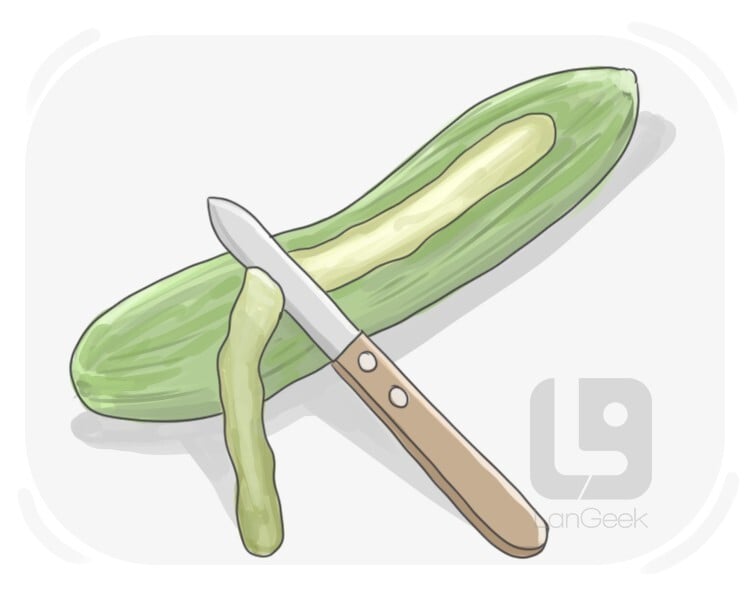
껍질을 벗기다, 깎다
to remove the skin or outer layer of something, such as fruit, etc.
Transitive: to peel fruits or vegetables
문법 정보
형태적 구성
단순어
동작 동사
규칙
현재 시제
peel
3인칭 단수
peels
현재분사
peeling
단순 과거
peeled
과거분사
peeled
예시들
Peel the banana before eating it.
먹기 전에 바나나를 껍질을 벗기세요.
02
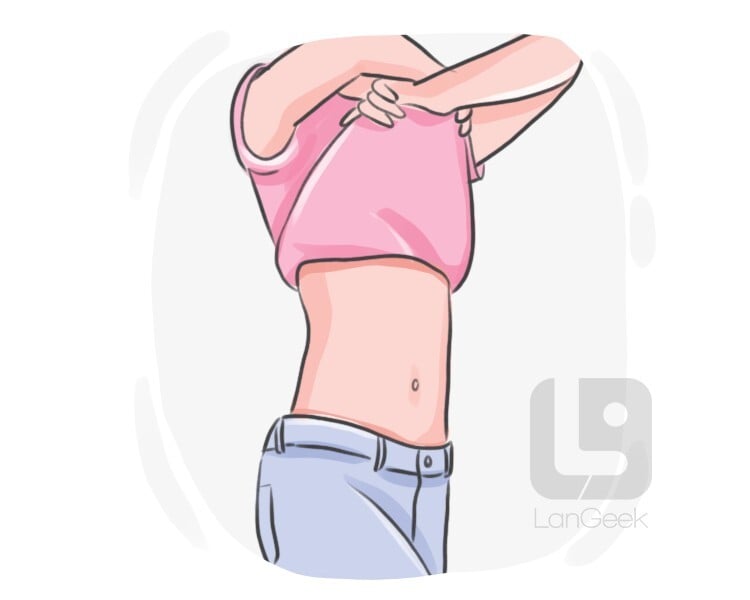
벗다, 벗기다
to remove one's clothes, usually in stages or one piece at a time
Intransitive
예시들
He peeled down to his shorts before jumping into the pool.
그는 수영장에 뛰어들기 전에 반바지까지 벗었다.
03
벗기다, 떨어지다
to lose or shed an outer layer, often in strips or small fragments
Intransitive
예시들
The skin on his sunburn began to peel.
그의 햇볕에 탄 피부가 벗겨지기 시작했다.
Peel
01
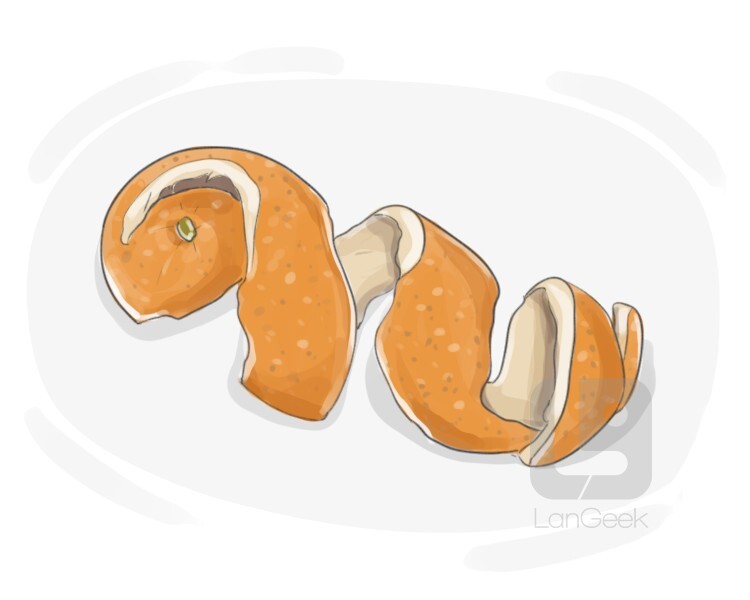
껍질, 껍데기
the outer skin or layer of a fruit or vegetable
문법 정보
유생성 상태
무생물
형태적 구성
단순어
가산
singular
not gender specific
복수형
peels
예시들
She removed the orange peel before juicing.
그녀는 오렌지의 껍질을 제거한 후 즙을 냈다.
02
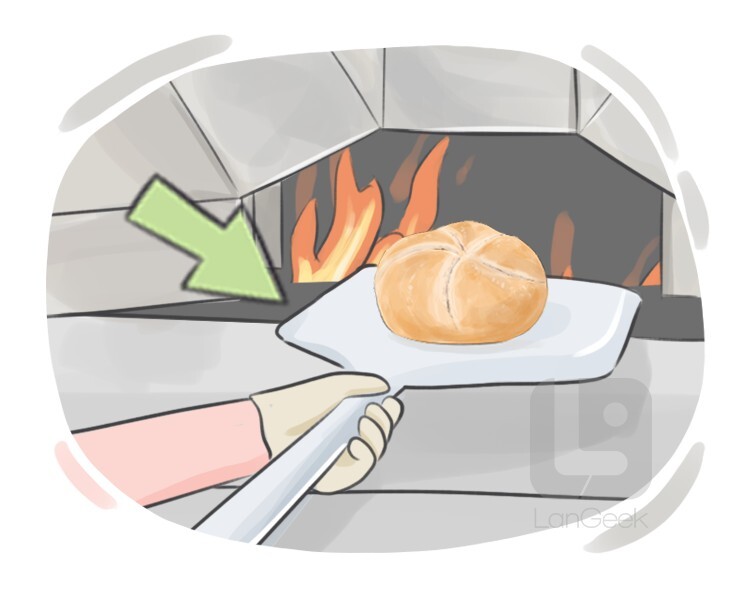
오븐 삽, 빵 삽
a flat, shovel-like implement used for transferring bread, pizza, or other baked items in and out of an oven
예시들
The baker used a peel to slide the bread into the oven.
제빵사가 빵을 오븐에 밀어 넣기 위해 주걱을 사용했습니다.


