






























to hazard
01
危険にさらす, リスクを冒す
to put someone or something at danger or risk
Transitive: to hazard sth
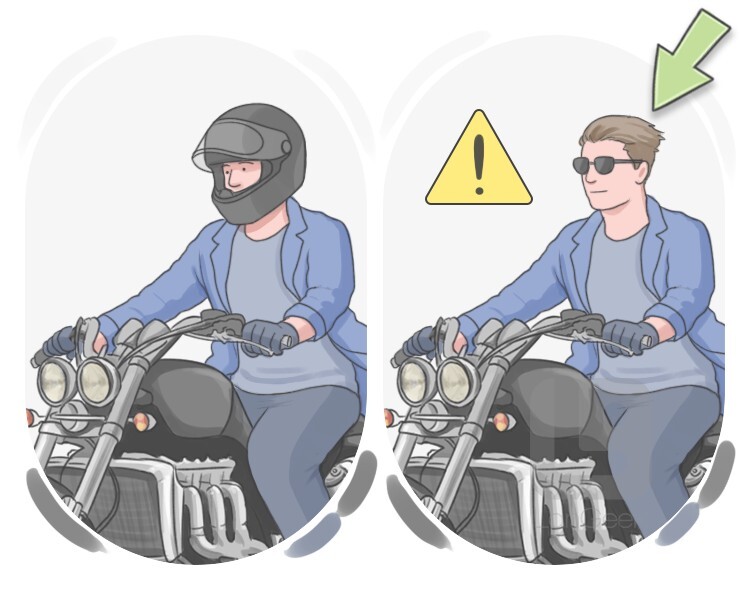
例
Neglecting safety procedures can hazard the well-being of workers.
安全手順を怠ると、労働者の健康を危険にさらす可能性があります。
02
推測する, 危険を冒す
to state an opinion, guess, suggestion, etc. even though there are chances of one being wrong
Transitive: to hazard an opinion or guess
文法情報
形態的構成
単純語
動作動詞
規則的
現在時制
hazard
三人称単数
hazards
現在分詞
hazarding
単純過去
hazarded
過去分詞
hazarded
例
He hesitated but decided to hazard a guess about the answer.
彼はためらったが、答えについて推測することを決めた。
03
危険を冒す, 賭ける
to take a chance or risk, hoping for a positive result or outcome
Transitive: to hazard an action
例
She was willing to hazard a new approach in hopes of improving the project’s results.
彼女はプロジェクトの結果を改善するために新しいアプローチを試す覚悟があった。
Hazard
01
危険, リスク
something that poses a risk or danger
文法情報
有生性の状態
抽象的
形態的構成
単純語
可算
singular
not gender specific
複数形
hazards
例
The slippery floor was a major hazard in the workplace, leading to several accidents.
滑りやすい床は職場での主要な危険であり、いくつかの事故を引き起こしました。
02
不確実性, 予測不可能な要因
an unpredictable or unknown factor that influences outcomes, often in events, experiments, or decisions
例
The experiment's outcome depended on several hazards beyond the researchers' control.
実験の結果は、研究者の制御を超えたいくつかの危険に依存していた。
03
障害物, 罠
a designed obstacle or challenge on a golf course, such as a sand trap or water feature
例
The golfer struggled to avoid the water hazard.
ゴルファーは水のhazardを避けるのに苦労した。


