






























to hazard
01
危害, 冒险
to put someone or something at danger or risk
Transitive: to hazard sth
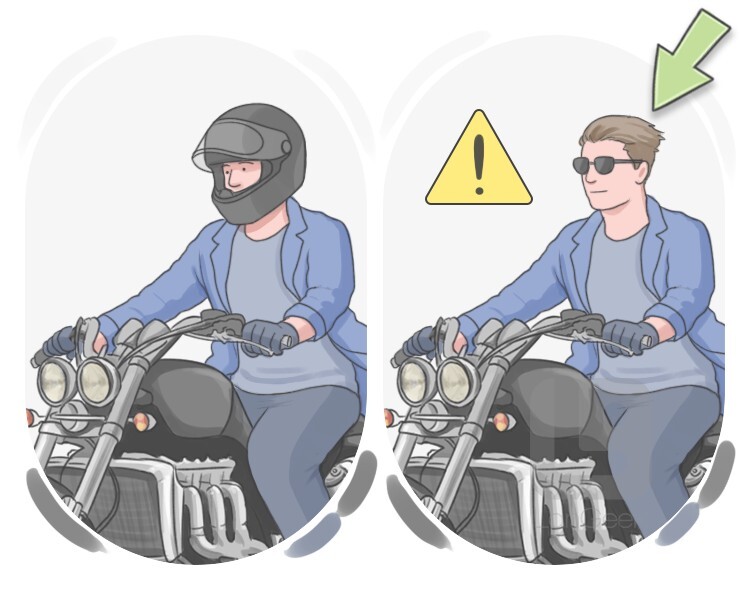
例子
Neglecting safety procedures can hazard the well-being of workers.
忽视安全程序可能会危害工人的健康。
02
猜测, 冒险
to state an opinion, guess, suggestion, etc. even though there are chances of one being wrong
Transitive: to hazard an opinion or guess
语法信息
形态构成
简单词
动作动词
规则
现在时
hazard
第三人称单数
hazards
现在分词
hazarding
一般过去时
hazarded
过去分词
hazarded
例子
He hesitated but decided to hazard a guess about the answer.
他犹豫了一下,但决定冒险猜测答案。
03
冒险, 尝试
to take a chance or risk, hoping for a positive result or outcome
Transitive: to hazard an action
例子
She was willing to hazard a new approach in hopes of improving the project’s results.
她愿意冒险尝试新方法,以期改善项目的结果。
Hazard
01
危险, 风险
something that poses a risk or danger
语法信息
有生性状态
抽象
形态构成
简单词
可数
singular
not gender specific
复数形式
hazards
例子
The slippery floor was a major hazard in the workplace, leading to several accidents.
湿滑的地板是工作场所的主要危险,导致了几起事故。
02
不确定性, 不可预测的因素
an unpredictable or unknown factor that influences outcomes, often in events, experiments, or decisions
例子
The experiment's outcome depended on several hazards beyond the researchers' control.
实验的结果取决于研究人员控制之外的几个危险。
03
障碍, 陷阱
a designed obstacle or challenge on a golf course, such as a sand trap or water feature
例子
The golfer struggled to avoid the water hazard.
高尔夫球手努力避免水hazard。


