

Search
Select the dictionary language





























to hazard
01
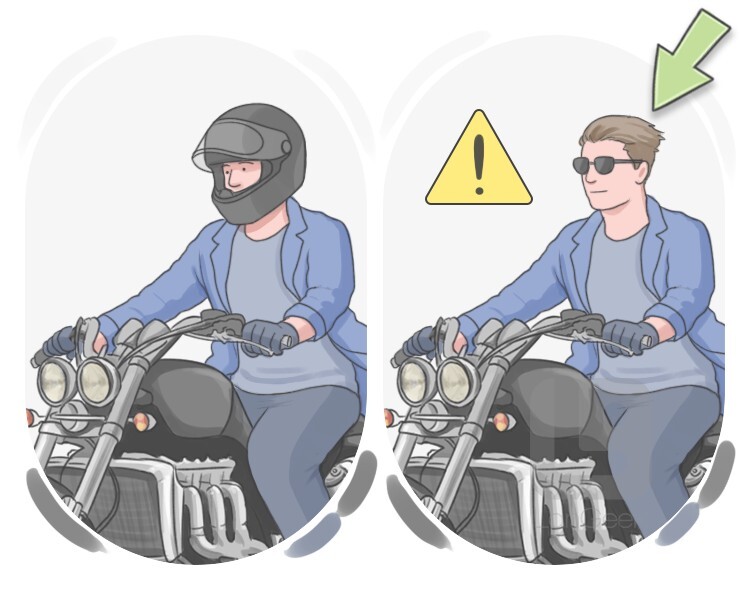
to put someone or something at danger or risk
Transitive: to hazard sth
Examples
Neglecting safety procedures can hazard the well-being of workers.
02
to state an opinion, guess, suggestion, etc. even though there are chances of one being wrong
Transitive: to hazard an opinion or guess
Grammatical Information
Composition
Simple
Action verb
Regular
Present tense
hazard
3rd person singular
hazards
Present participle
hazarding
Past simple
hazarded
Past participle
hazarded
Examples
He hesitated but decided to hazard a guess about the answer.
03
to take a chance or risk, hoping for a positive result or outcome
Transitive: to hazard an action
Examples
She was willing to hazard a new approach in hopes of improving the project’s results.
Hazard
01
something that poses a risk or danger
Grammatical Information
Animacy status
Abstract
Composition
Simple
Countable
singular
not gender specific
Plural form
hazards
Examples
The slippery floor was a major hazard in the workplace, leading to several accidents.
02
an unpredictable or unknown factor that influences outcomes, often in events, experiments, or decisions
Examples
The experiment's outcome depended on several hazards beyond the researchers' control.
03
a designed obstacle or challenge on a golf course, such as a sand trap or water feature
Examples
The golfer struggled to avoid the water hazard.
LanGeek


