

Buscar
Selecciona el idioma del diccionario





























to soften
01
ablandar, suavizar
to make something less firm or solid
Transitive: to soften something hard or firm
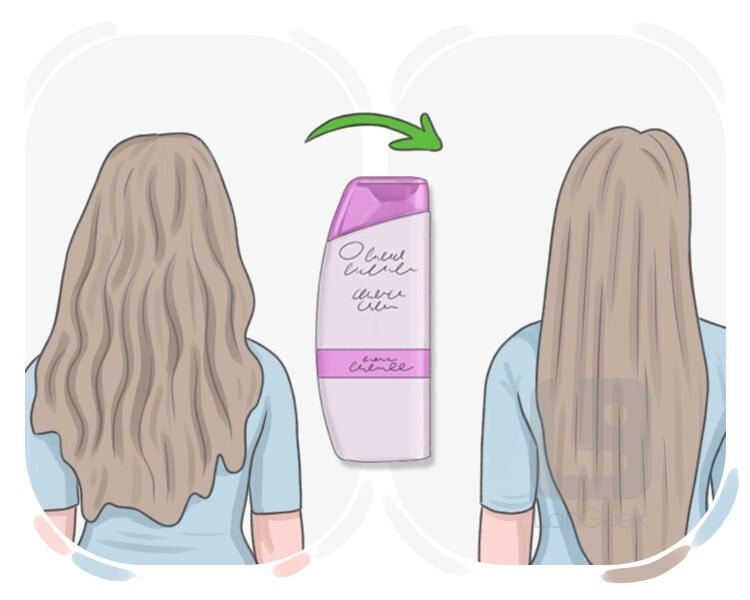
Ejemplos
She used a hairdryer to soften the adhesive before removing the sticker.
Ella usó un secador para ablandar el adhesivo antes de quitar la pegatina.
02
suavizar, atenuar
to reduce the brightness or harshness of light or sound
Transitive: to soften light or sound
información gramatical
composición morfológica
derivado
verbo de acción
regular
presente
soften
3.ª persona singular
softens
participio presente
softening
pretérito simple
softened
participio pasado
softened
Ejemplos
Drawing the curtains helped soften the harsh sunlight streaming into the room, creating a cozy ambiance.
Correr las cortinas ayudó a suavizar la dura luz del sol que entraba en la habitación, creando un ambiente acogedor.
Ejemplos
The company's decision to lower interest rates softened the impact of borrowing costs on consumers.
La decisión de la empresa de bajar las tasas de interés suavizó el impacto de los costos de préstamo en los consumidores.
04
ablandar, suavizar
to decrease in firmness or rigidity
Intransitive
Ejemplos
As the butter warmed to room temperature, it began to soften.
A medida que la mantequilla se calentaba a temperatura ambiente, comenzó a ablandarse.
05
suavizar, flexibilizar
to make a situation or attitude less severe or strict
Transitive: to soften a situation or attitude
Ejemplos
The manager decided to soften her stance on punctuality, understanding that unforeseen circumstances could arise.
El gerente decidió suavizar su postura sobre la puntualidad, entendiendo que podrían surgir circunstancias imprevistas.
LanGeek
Descarga nuestra aplicación móvil

Árbol Léxico
softened
softener
softening
soften

