

Search
Select the dictionary language





























to cite
01
to refer to something as an example or proof
Transitive: to cite a precedent or example
Grammatical Information
Composition
Simple
Action verb
Regular
Present tense
cite
3rd person singular
cites
Present participle
citing
Past simple
cited
Past participle
cited
Examples
The lawyer cited similar court cases to argue for his client's innocence.
02
to officially recognize and praise an individual for their brave or heroic actions
Transitive: to cite sb
Examples
The commanding officer decided to cite Private Johnson for his exceptional bravery during the mission.
03
to formally acknowledge or reference the source(s) of information, words, or literary or verbal context used in one's work
Transitive: to cite a source of information
Examples
In his essay, he cited several studies that supported his argument on climate change.
04
to quote or reproduce the exact words from a written or spoken source
Transitive: to cite a passage
Examples
In her research paper, she cited several passages from the novel to support her analysis of the protagonist's development.
05
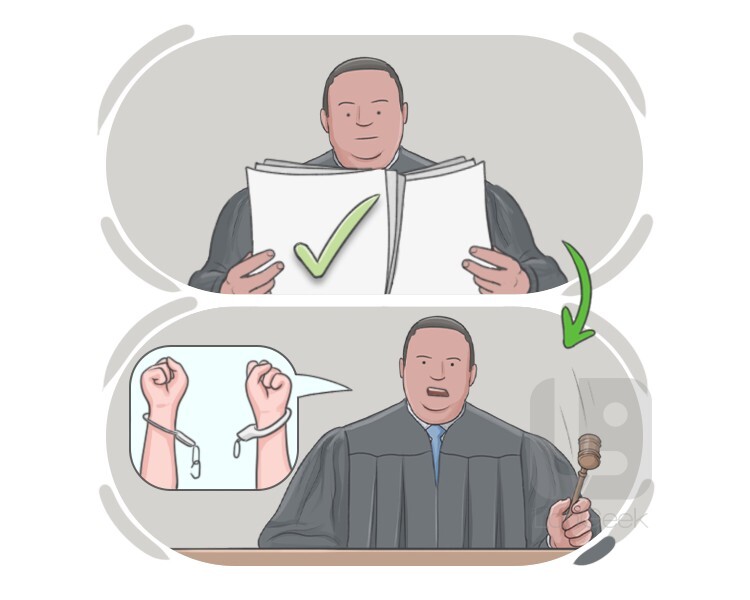
to officially summon or order someone to appear before a court or other judicial authority
Transitive: to cite sb
Examples
The judge decided to cite the witness for contempt of court and ordered them to appear for a hearing.
Cite
01
a brief reference acknowledging the source of information or a quotation
Grammatical Information
Animacy status
Abstract
Composition
Compound
Countable
singular
not gender specific
Plural form
cites
Examples
The essay included a cite for each reference used.


