






























to cite
01
引用する, 言及する
to refer to something as an example or proof
Transitive: to cite a precedent or example
文法情報
形態的構成
単純語
動作動詞
規則的
現在時制
cite
三人称単数
cites
現在分詞
citing
単純過去
cited
過去分詞
cited
例
The lawyer cited similar court cases to argue for his client's innocence.
弁護士は、依頼人の無実を主張するために類似した裁判例を引用した。
02
引用する, 称賛する
to officially recognize and praise an individual for their brave or heroic actions
Transitive: to cite sb
例
The commanding officer decided to cite Private Johnson for his exceptional bravery during the mission.
指揮官は、任務中の並外れた勇敢さに対して、二等兵ジョンソンを表彰することを決めた。
03
引用する, 参照する
to formally acknowledge or reference the source(s) of information, words, or literary or verbal context used in one's work
Transitive: to cite a source of information
例
In his essay, he cited several studies that supported his argument on climate change.
彼はエッセイで、気候変動に関する彼の議論を支持するいくつかの研究を引用した。
04
引用する, 言及する
to quote or reproduce the exact words from a written or spoken source
Transitive: to cite a passage
例
In her research paper, she cited several passages from the novel to support her analysis of the protagonist's development.
彼女は研究論文で、主人公の成長に関する彼女の分析を支持するために小説からいくつかの一節を引用した。
05
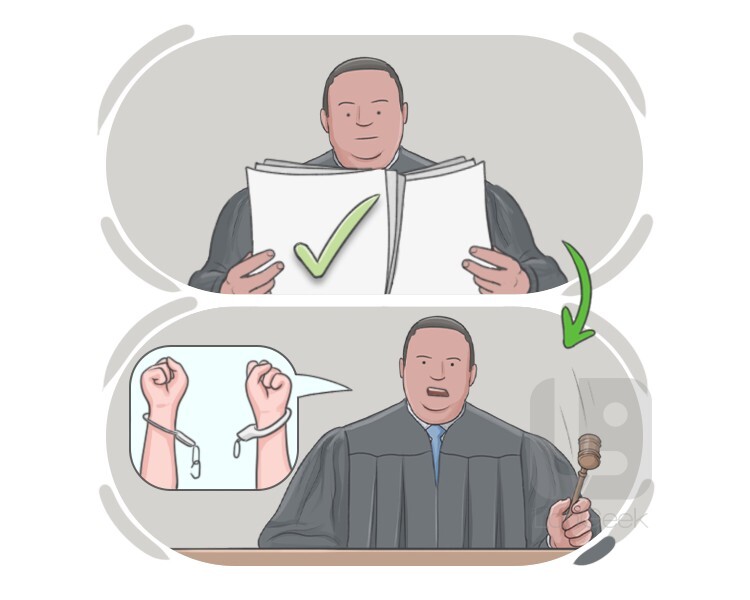
召喚する, 出頭を命じる
to officially summon or order someone to appear before a court or other judicial authority
Transitive: to cite sb
例
The judge decided to cite the witness for contempt of court and ordered them to appear for a hearing.
裁判官は、法廷侮辱罪で証人を召喚することを決定し、彼らに公聴会に出席するよう命じた。
Cite
01
引用, 参照
a brief reference acknowledging the source of information or a quotation
文法情報
有生性の状態
抽象的
形態的構成
複合語
可算
singular
not gender specific
複数形
cites
例
The essay included a cite for each reference used.
エッセイには、使用された各参考文献に対する引用が含まれていました。


