






























odd
01
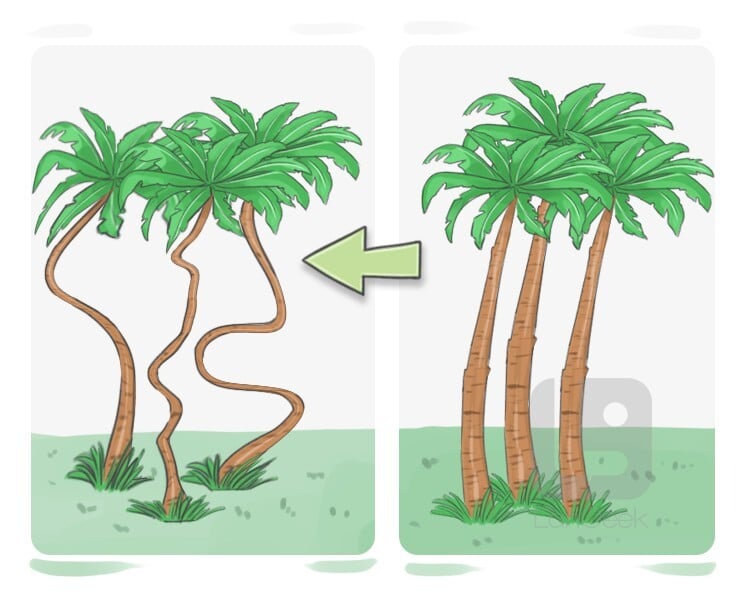
奇怪的, 古怪的
unusual in a way that stands out as different from the expected or typical
语法信息
形态构成
简单词
性质形容词
最高级
oddest
比较级
odder
可分级
领域
behavior, appearance, events
例子
The odd behavior of the stranger, who kept muttering to himself, made the other passengers uneasy.
那个陌生人奇怪的行为,不停地自言自语,让其他乘客感到不安。
例子
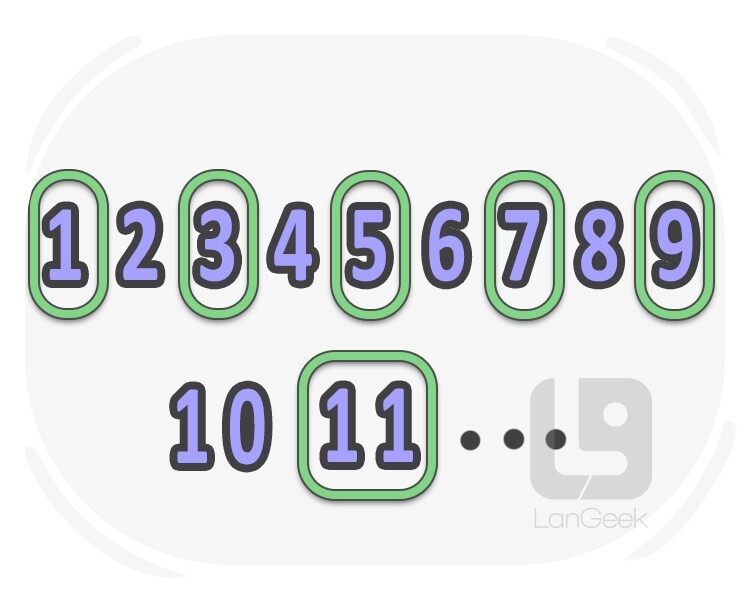
Five is an odd number, so one chair was left unused.
五是奇数,所以有一把椅子没被使用。
03
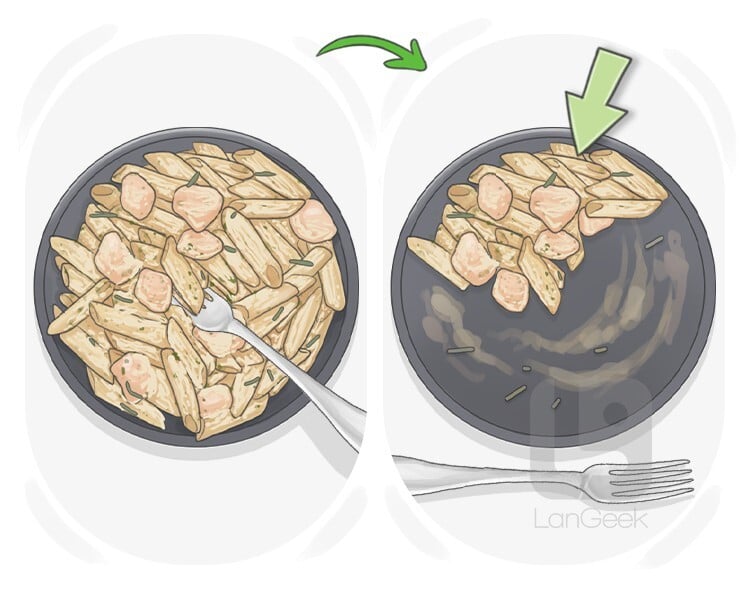
剩余的, 额外的
referring to something that remains or is extra, often in small or insignificant quantities
例子
After the shopping trip, she had a few odd dollars left in her wallet.
购物之旅结束后,她的钱包里还剩下一些零散的美元。
04
大约, 多
(of a quantity) slightly more than the specified number, often used to express approximation
例子
The meeting lasted for 50-odd minutes before everyone started to leave.
会议持续了大约50 分钟,然后大家开始离开。
例子
He showed up wearing odd socks, one red and the other blue.
他穿着不配对的袜子出现了,一只红色,另一只蓝色。
例子
She found odd moments to relax during her busy schedule.
她在繁忙的日程中找到了罕见的时刻来放松。
LanGeek
下载我们的移动应用

词汇树
oddish
oddly
oddness
odd

